2026 Top Packaging Systems Trends and Innovations to Watch
The packaging systems industry is evolving rapidly. Innovations are reshaping how products are stored and transported. Companies are increasingly aware of sustainability and efficiency.
In 2026, several trends will dominate packaging systems. Smart packaging solutions are gaining traction. Advanced materials are being developed for better performance and eco-friendliness. The integration of technology is improving user experience and functionality.
However, challenges remain. Not every innovation may suit all sectors. It’s essential to evaluate effectiveness and compatibility. As we look at these trends, reflection on our choices in packaging systems is crucial. Are we truly prioritizing sustainability, or merely following trends? Understanding these dynamics will shape the future of the industry.
Key Trends in Sustainable Packaging Innovations for 2026
As we approach 2026, the trend in sustainable packaging innovations is exciting but complex. Many companies are shifting towards biodegradable materials. These materials are often made from plant-based sources and are designed to break down easily. However, not all biodegradable packaging is created equal. The effectiveness and environmental impact can vary greatly.
Another crucial trend is the use of recycled materials. Brands are increasingly adopting practices to incorporate recycled content into their packaging. This approach reduces waste and conserves resources. Yet, challenges remain. Not every recycled material is suitable for high-quality packaging. Finding the right balance between sustainability and functionality is still a work in progress.
The rise of refillable packaging is also noteworthy. This approach encourages consumers to return packaging for reuse. It can significantly reduce waste. However, implementing refill systems requires consumer compliance and infrastructure support. Educating consumers on the benefits of returning packaging is vital. Overall, while there's significant promise in sustainable innovations, there are still hurdles to overcome.
2026 Top Packaging Systems Trends and Innovations
This chart illustrates the market interest in various packaging trends and innovations expected to dominate in 2026. The data shows a growing emphasis on sustainable packaging solutions, with recyclable materials leading the interest among industry stakeholders.
Advancements in Smart Packaging Technologies and Their Applications
Smart packaging technologies are evolving rapidly. These innovations not only enhance product safety but also improve the consumer experience. For example, sensors integrated into packaging can monitor temperature and humidity. This data is crucial for perishable goods. Such features can help ensure quality and minimize waste.
Another significant advancement is the use of QR codes and NFC technology. Consumers can access detailed information about the product with a simple scan. This interaction adds value, but some may feel overwhelmed by the choice of information. Brands must balance detail with clarity to avoid confusion.
Sustainability remains a concern in smart packaging. Many new materials are biodegradable or recyclable. Yet, there is still work to be done. The industry faces challenges in achieving a fully circular economy. Innovations in smart packaging must address these issues while focusing on efficiency and user-friendliness.
Impact of E-commerce Growth on Packaging Systems in 2026
The growth of e-commerce is reshaping packaging systems in 2026. Online shopping has surged, leading to a significant demand for more efficient and sustainable packaging solutions. According to the latest industry reports, the e-commerce packaging market is expected to reach $78 billion by 2026. This highlights the crucial need for adaptation among packaging providers.
E-commerce requires lightweight materials that can withstand shipping. Companies are moving towards biodegradable options to meet consumer demand for eco-friendly products. In fact, 72% of consumers prefer sustainable packaging. Yet, achieving the right balance between durability and environmental impact is still a challenge. Many businesses are still exploring the best solutions.
Tips for adapting to these changes include investing in smart packaging technologies. Using sensors and QR codes can enhance customer experience. Furthermore, consider designing packaging that is easy to open and recycle. This improves user satisfaction and reduces waste. However, companies must continue to evaluate their choices and learn from mistakes. The path to effective e-commerce packaging is complex but essential in today’s market.
Integration of AI and Automation in Packaging Operations
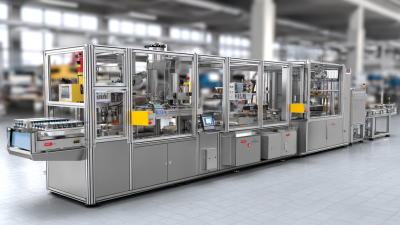
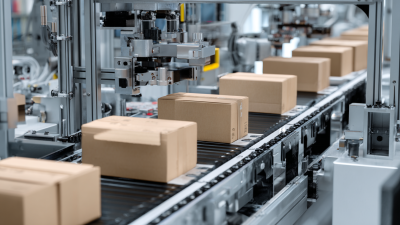
The integration of AI and automation in packaging operations is reshaping the industry. Advanced technologies streamline processes, reducing waste and improving efficiency. Companies are now leveraging AI to predict demand accurately. Automation minimizes human error and enhances production speed.
Tips: Consider implementing AI analytics in your workflows. Use this for real-time data collection. This can improve decision-making and inventory management.
However, the shift to automated systems can be challenging. Employees may resist new technologies. Training is essential to ease transitions. Equipping staff with the necessary skills will help mitigate fears. Balance automation with human oversight is critical to maintaining quality and creativity.
Tips: Pilot new technologies on smaller scales before wider implementation. Gather feedback from teams to understand their concerns and insights. This ensures smoother integration and encourages collaboration.
Consumer Preferences Shaping Packaging Design Trends in 2026
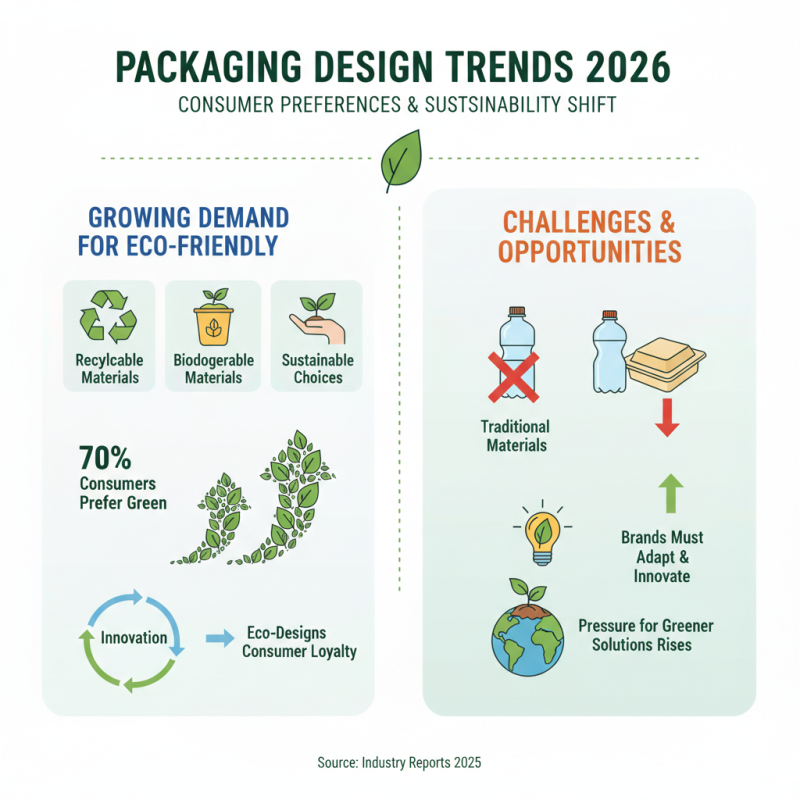
Consumer preferences are changing quickly, and this is impacting packaging design in 2026. Many consumers value sustainability. They want materials that are recyclable and biodegradable. This shift is challenging companies to innovate with eco-friendly options. Yet, not all brands have fully embraced this change. Some still rely on traditional materials that harm the environment. The pressure for greener solutions continues to grow.
Another significant trend is personalization. Customers are looking for packaging that feels unique and tailored to their needs. Brands are experimenting with custom designs, vibrant colors, and interactive features. However, not every attempt at personalization resonates. Some designs may confuse rather than delight. Additionally, the balance between aesthetics and functionality remains a question for many. How can brands create visually appealing packaging that also protects the product?
Finally, convenience is key. Packaging that is easy to open and transport is increasingly preferred. Single-use, travel-friendly options are on the rise. Yet, convenience often conflicts with sustainability. Consumers find themselves in a dilemma: quick and easy versus environmentally friendly. This tension will shape the future of packaging design in significant ways. Brands must navigate this complex landscape carefully.