Why Choose an Automatic Packing Machine for Your Business?
In the competitive world of manufacturing and logistics, efficiency is crucial. An automatic packing machine offers significant advantages. According to a recent market research report, the global packing automation market is set to reach $70 billion by 2028. Businesses are increasingly recognizing the importance of automation. Speed, accuracy, and reduced labor costs are key factors driving this trend.
Consider a company that switches to an automatic packing machine. They may reduce packing time by up to 50%. This dramatic increase allows them to meet higher demand without sacrificing quality. However, fully integrating these machines is not without challenges. Staff may require retraining, and initial costs can be daunting.
Companies must evaluate the long-term benefits versus initial investments. Is the shift truly worth the risk? As industries evolve, staying competitive means embracing change. In this landscape, the automatic packing machine emerges as a necessary tool for success. It’s imperative to reflect on these factors when considering modernization in your operations.
Benefits of Using Automatic Packing Machines in Business
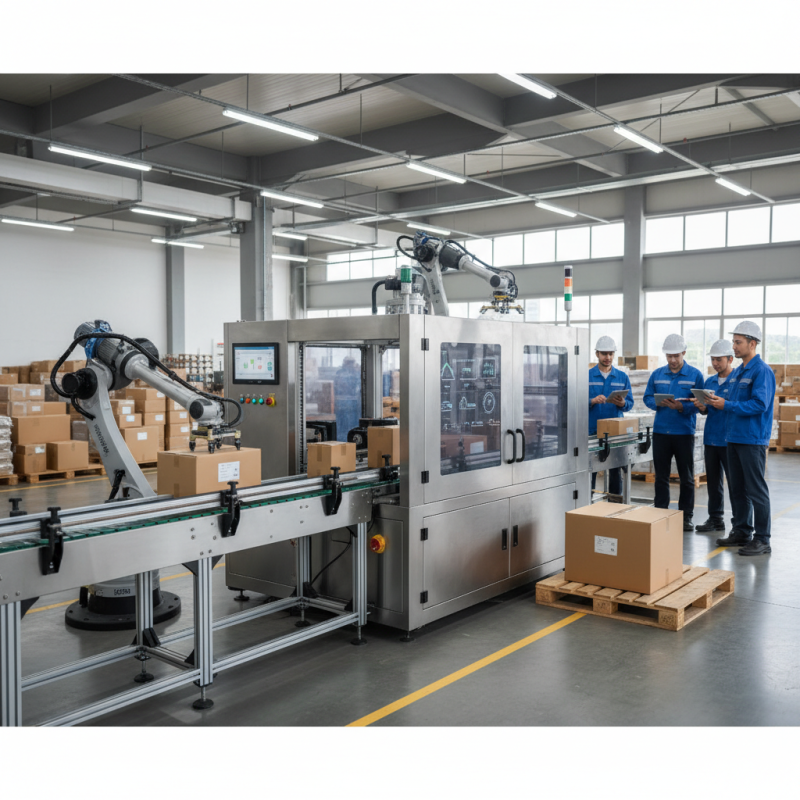
In today's fast-paced business environment, automatic packing machines are increasingly vital. They offer numerous benefits that can enhance operational efficiency. According to a recent industry report, businesses that implement automation can achieve a productivity increase of 20% to 30%. This remarkable growth can lead to higher revenue generation, allowing companies to invest more in innovation.
One significant advantage of automatic packing machines is their ability to reduce labor costs. Automating the packing process can decrease the number of workers needed. A study found that businesses can save up to 40% in labor expenses by adopting these machines. Despite this, companies should remain cautious. Transitioning can require substantial upfront investment. Not every business may see immediate returns.
Moreover, quality control improves significantly with automation. An automatic machine ensures consistency in packing. This reduces the risk of human error, which can lead to costly mistakes. Yet, it’s crucial to monitor these systems regularly. Equipment malfunctions can happen, so ongoing maintenance is necessary. The benefits of automatic packing machines are clear, but they require careful planning and management.
Cost-Effectiveness: Comparing Manual vs. Automatic Packing
When evaluating packing methods, cost-effectiveness stands out. Manual packing often seems cheaper at first glance. Labor costs are lower, but hidden expenses emerge. Training employees takes time. Mistakes in packing can cause product damage. This leads to unexpected costs and frustrated customers.
In contrast, automatic packing machines provide consistent results. They reduce packing time significantly. Though the initial investment is higher, the long-term savings are notable. Fewer errors mean less product waste. Productivity rises, helping businesses meet increased demand. However, consider maintenance and repair costs. These can add up, and downtime is costly.
Tips for choosing the right packing method include assessing your product type. Fragile items may benefit from automated solutions. Also, analyze your production volume. If you experience fluctuations, a flexible machine may be necessary. Always calculate your return on investment. Compare it to the current manual processes. Cost-effectiveness is vital, but quality should never be compromised.
Why Choose an Automatic Packing Machine for Your Business? - Cost-Effectiveness: Comparing Manual vs. Automatic Packing
| Criteria |
Manual Packing |
Automatic Packing |
| Initial Investment Cost |
Low ($500 - $2,000) |
High ($20,000 - $100,000) |
| Labor Costs |
High (10 - 15 workers) |
Low (1 - 2 operators) |
| Packing Speed |
5-10 packages/min |
30-100 packages/min |
| Error Rate |
Higher (5-10% errors) |
Lower (0.5-2% errors) |
| Space Requirement |
Moderate |
Higher |
| Maintenance |
Low |
Moderate to High |
| Return on Investment (ROI) |
Longer (3-5 years) |
Shorter (1-3 years) |
Impact on Efficiency and Productivity in Packaging Operations
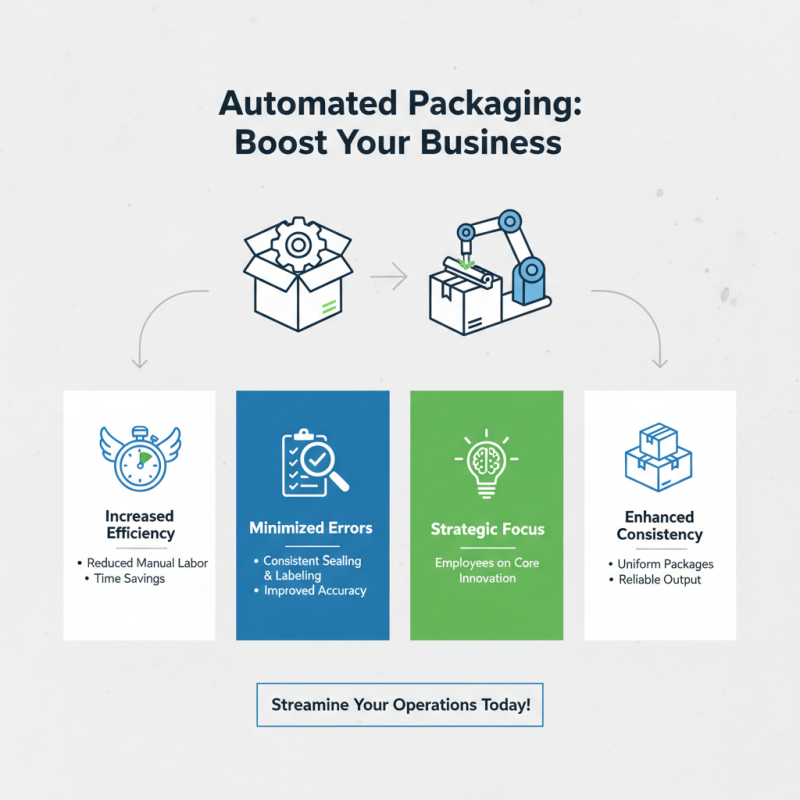
In today's fast-paced business environment, companies often seek tools to boost efficiency in their packaging operations. An automatic packing machine can streamline processes significantly. By reducing manual labor, it not only saves time but also minimizes human error. Employees can focus on more strategic tasks. Automation enhances consistency, ensuring each package is sealed or labeled accurately.
Consider a packaging line running at high speed. Without an automatic machine, delays might occur due to manual handling. Sometimes, workers may struggle to keep up, leading to bottlenecks. The implementation of these machines can resolve these issues. However, the initial setup and training can be challenging. Staff may require time to adapt to new technology.
Efficiency doesn't always mean speed. It involves optimizing resources too. An automatic packing machine can reduce material waste. Yet, if not calibrated correctly, it might lead to excess packaging or unsealed items. This reflects the importance of regular maintenance. While automation can significantly enhance productivity, oversight and adjustments are necessary to achieve the desired results.
Considerations for Selecting the Right Automatic Packing Machine
Choosing the right automatic packing machine for your business requires careful thought. Start by evaluating your product dimensions, weight, and materials. Different machines cater to specific needs, like fragile items or bulk products. Measure your current packing process. Are there delays? Look for machines that reduce time without compromising quality.
Consider the machine's speed and efficiency. How many packages can it handle per hour? A quicker machine might seem ideal, but it should match your output needs. Take note of the energy consumption too. A machine that saves time but consumes too much energy can increase costs.
Another critical factor is maintenance. Will you have easy access to parts and service? Machines that are hard to maintain can lead to prolonged downtimes. Look for models that allow users to perform basic troubleshooting. It’s essential to weigh these aspects against your budget. Costs may vary significantly. Sometimes the least expensive option may require more spending down the road.