What is Packaging Machinery and How Does it Work?
Packaging machinery plays a crucial role in various industries. It automates the process of packaging products efficiently. With advancements in technology, these machines enhance productivity and reduce labor costs.
In the world of manufacturing, packaging machinery is essential. It includes various machines for filling, sealing, and labeling. Understanding how these machines work can improve overall efficiency. However, choosing the right equipment can be challenging. Not every packaging solution suits every product.
The effectiveness of packaging machinery depends on several factors. Maintenance and training are key to maximizing its potential. Companies must continually assess their operations. There are always areas for improvement. As technologies evolve, so should our approaches. Addressing imperfections in these systems can lead to greater success.
Definition and Purpose of Packaging Machinery
Packaging machinery plays a crucial role in various industries. Its main purpose is to prepare products for distribution, storage, and sale. Efficient packaging ensures that products reach consumers safely and maintain their quality. According to recent industry reports, the global packaging machinery market is expected to reach $50 billion by 2025. This growth reflects the increasing demand for automated and efficient packaging solutions.
Different types of packaging machinery exist to meet diverse needs. For example, filling machines, labeling machines, and sealers serve specific purposes within the packaging process. Filling machines can handle liquids, powders, and granules, ensuring precise quantities. Labeling machines provide information about the product, enhancing consumer awareness. However, some industries face challenges with packaging waste and recycling. A striking statistic shows that around 30% of packaging materials end up in landfills. This raises questions about sustainability and efficiency.
There is always room for improvement in packaging machinery. While technology advances, some machines may not keep pace with industry demands. Many businesses still rely on outdated equipment. This can lead to inefficiencies and increased costs. As the market grows, investment in newer, sustainable technologies may become essential. The future of packaging machinery lies in balancing efficiency, cost, and environmental responsibility.
What is Packaging Machinery and How Does it Work? - Definition and Purpose of Packaging Machinery
| Type of Packaging Machinery |
Purpose |
Common Features |
Industries Using This Machinery |
| Filling Machine |
To accurately fill containers with liquid or dry products |
Precision filling, speed control, adjustable fill volume |
Food and Beverage, Pharmaceuticals |
| Labeling Machine |
To apply labels on products and packaging |
Automatic label dispensing, adjustable speed, detection sensors |
Cosmetics, Food, Electronics |
| Sealing Machine |
To seal products tightly in their packaging |
Heat sealing, vacuum sealing, adjustable sealing pressure |
Food, Pharmaceuticals, Chemicals |
| Wrapping Machine |
To wrap products in plastic or paper materials |
Automatic wrapping, adjustable wrap tightness, high-speed operation |
Consumer Goods, Industrial Supplies |
| Cartoning Machine |
To automatically pack products into cartons |
Flexibility for various product sizes, high speed, integrated control systems |
Beverages, Pharmaceuticals, Household Products |
Types of Packaging Machinery and Their Applications
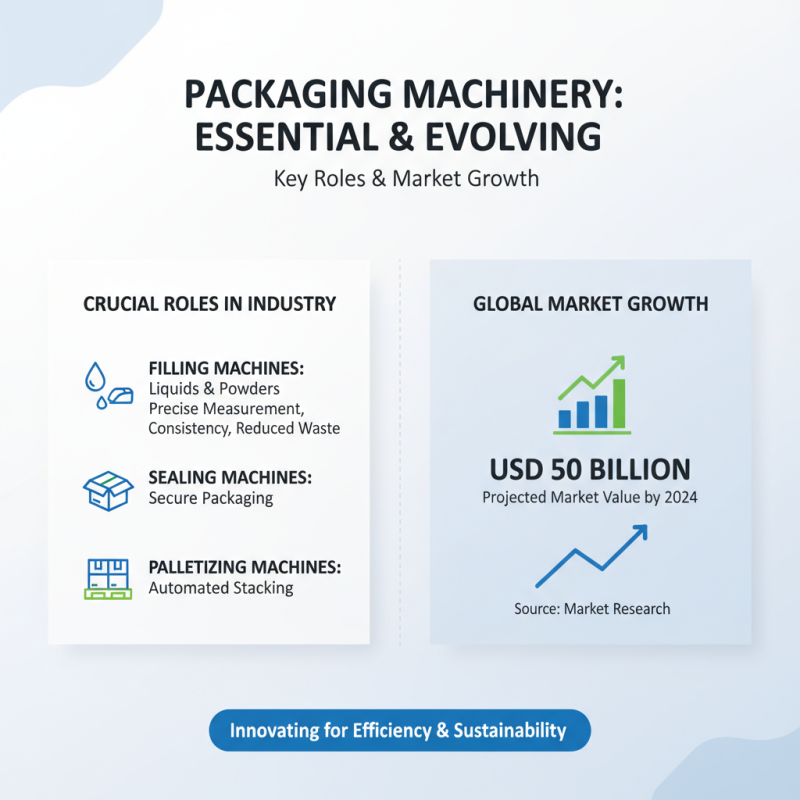
Packaging machinery plays a crucial role in various industries. Each type serves a unique purpose. For instance, filling machines are essential for liquids and powders. They ensure precise measurements, boosting consistency and reducing waste. According to market research, the global packaging machinery market is expected to reach USD 50 billion by 2024.
Labeling machinery is another important aspect. It applies labels accurately, enhancing product appeal. In fact, studies show that well-labeled products can increase sales by up to 20%. These machines can be fully automated or semi-automated, depending on the production needs. The flexibility allows many businesses to adapt.
However, not all packaging solutions fit every product. Some companies struggle to find the right machinery. The complexity of machinery can lead to operational inefficiencies. It is essential to continually assess machinery performance. The challenge lies in balancing cost, efficiency, and quality.
Key Components of Packaging Machinery
Packaging machinery plays a pivotal role in various industries, streamlining the process of packing goods. Understanding its key components helps appreciate its functionality. These machines commonly include fillers, sealers, labelers, and conveyors. Each component must work in harmony to ensure efficient packaging.
For instance, fillers measure and dispense products into containers. They vary widely, from manual machines to sophisticated automatic systems. According to a report by Markets and Markets, the global packaging machinery market is poised to reach USD 55 billion by 2025, driven by increasing demand for packaged food and beverages. Sealers, on the other hand, play a crucial role in securing products. A poorly sealed package can compromise product quality and lead to waste.
Conveyors facilitate the movement of products between stations. These systems can be designed for specific weights, sizes, and speeds. Yet, they are not without flaws. Maintenance is essential for smooth operation; otherwise, delays can occur. Some reports indicate that machinery downtime costs companies significantly, sometimes reaching up to 5% of total production time. Understanding these components can provide insights into the critical nature of packaging efficiency.
Packaging Machinery: Key Components and Their Usage
Working Principles of Packaging Machinery
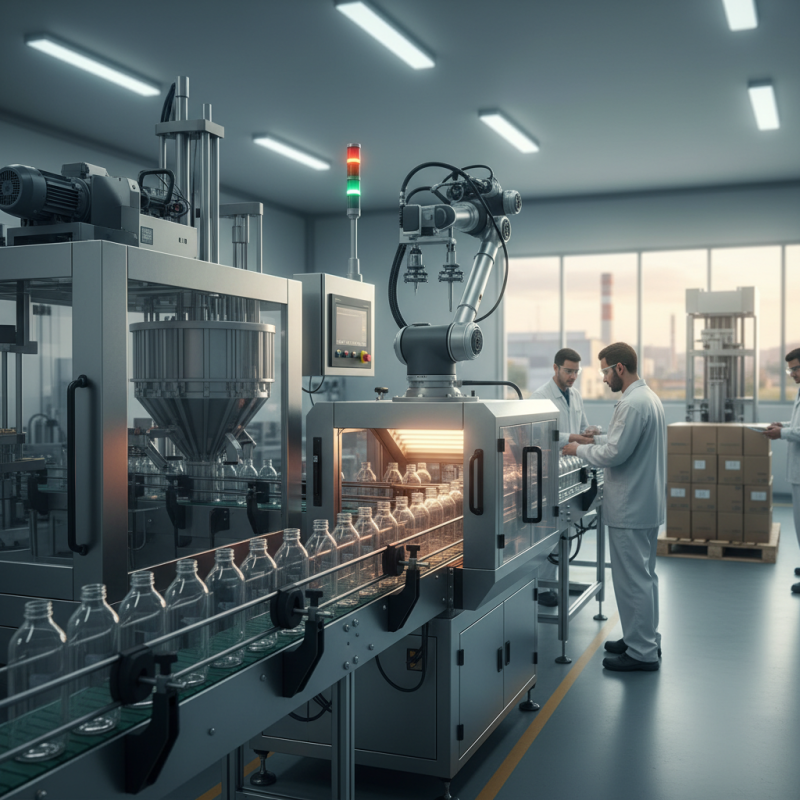
Packaging machinery plays a crucial role in the manufacturing process. It automates the packaging of products. This machinery streamlines production and enhances efficiency. Various types exist, including filling, sealing, and labeling machines. Each type has unique working principles that help keep the operation smooth.
The filling machine, for instance, dispenses precise amounts of product into containers. It uses sensors to ensure accuracy and minimize waste. The sealing machine follows, using heat or pressure to create airtight seals. This step is vital for maintaining product freshness and safety. Then comes the labeling machine, which applies labels with essential information. This cycle continues seamlessly, providing consistent results.
Despite its effectiveness, packaging machinery has room for improvement. Common issues include jams and misalignments during operation. Frequent maintenance can help prevent these problems. Using machinery efficiently requires skilled operators who understand the technology. Training and experience play a significant role in minimizing errors. Regularly revisiting and refining methods can lead to better outcomes in packaging processes.
Maintenance and Troubleshooting for Packaging Machinery
Maintaining packaging machinery is crucial for efficient operations. Regular checks can prevent extensive breakdowns. It’s common for machinery to wear down over time. Operators should watch for unusual noises or vibrations. These signs often indicate potential issues that need immediate attention.
Scheduled maintenance is essential. Sometimes, it’s easy to overlook small problems. Ignoring them can lead to larger malfunctions later. Operators should be trained to recognize these early warning signs. Keeping a log of maintenance activities helps track the performance. However, not all machinery problems will follow a predictable pattern.
Troubleshooting can be challenging. If a machine stops unexpectedly, the cause may not be obvious. Begin by checking the power supply and connections. If these seem fine, inspect the moving parts. They can often be the source of trouble. Engaging in a thoughtful review of performance issues can lead to better solutions. Remember, it’s okay to seek external help when in doubt.