2026 Best Coffee Packaging Bags for Global Buyers

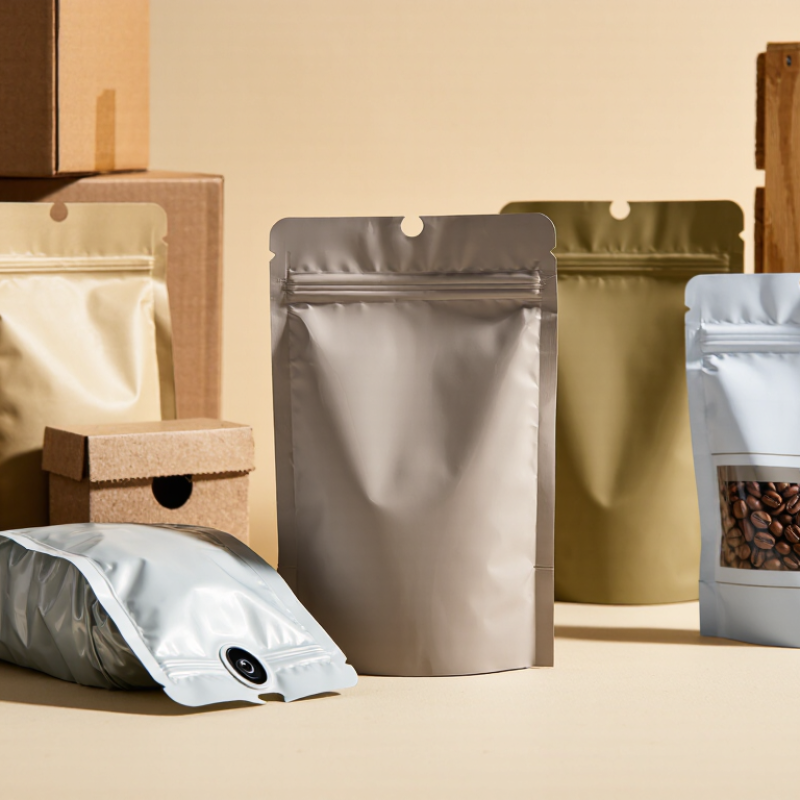
Choosing the right coffee bag is no longer a simple matter of color, size, or shelf appeal. Global buyers now compare barrier performance, filling efficiency, recyclability, printing quality, and transport resilience. The best Coffe Packaging Bags must protect roasted beans from oxygen, moisture, light, and sudden temperature changes. A bag that performs well in Germany may need different specifications for humid Southeast Asia or high-altitude distribution.

Paul Jenkins, founder of ThePackHub and a packaging industry specialist, offers a useful reminder: “Sustainable packaging is not a single material choice; it is a system decision.” That principle shapes this 2026 guide. We examine high-barrier flat-bottom bags, side-gusset formats, quad-seal designs, compostable structures, and recyclable mono-material options. We also consider zipper strength, valve reliability, seal width, minimum order quantities, and realistic shipping conditions.

Small details matter.

A weak valve can flatten a premium product’s aroma. A poor seal may allow oxygen into freshly roasted coffee within days. Matte film can look elegant, but scratches may appear after long-distance handling. These are practical observations, not perfect rules. We may still overvalue appearance when selecting packaging. Cost pressure can also make sustainable choices difficult for smaller importers.

This overview helps global buyers compare suppliers with clearer expectations. It focuses on evidence, product protection, and responsible sourcing. The final decision should follow testing, not marketing language alone.
2026 Best Coffee Packaging Bags for Global Buyers

Coffee Packaging Bags: Types, Structures, and Core Functions

Coffee Packaging Bags: Types, Structures, and Core Functions

Global coffee demand makes packaging performance a purchasing priority. The International Coffee Organization reported worldwide consumption of 177.9 million 60-kilogram bags in 2022/23. Each shipment may face heat, humidity, oxygen, and long storage periods.

Flat-bottom bags suit retail shelves and provide strong presentation. Side-gusset bags offer efficient filling and stacking. Stand-up pouches reduce material use, while valve bags release carbon dioxide after roasting. Small details matter.

Structure determines protection. A common PET/PE laminate supports print quality and heat sealing. PET/AL/PE adds stronger barriers against oxygen and light, which helps protect roasted coffee aroma. Paper-based laminates can improve shelf appearance, but their barrier layers need careful verification.

One-way degassing valves are useful for freshly roasted beans. They should not replace proper sealing. According to Smithers’ 2024 flexible packaging analysis, barrier performance and sustainability remain major development priorities across food packaging.

Yet recyclable structures may provide lower protection in some humid supply chains. This trade-off needs testing, not optimistic claims. ASTM F88 seal-strength testing, oxygen transmission data, and real transport trials offer more reliable buying evidence.

A beautiful bag can still fail. Look inside the structure.

Key Materials and Barrier Properties for Coffee Freshness

2026 Best Coffee Packaging Bags for Global Buyers

Key Materials and Barrier Properties for Coffee Freshness

For global coffee buyers, freshness begins with the bag, not the warehouse shelf. Roasted beans release carbon dioxide after roasting. They also absorb oxygen, moisture, and surrounding odors. A reliable coffee bag must control all four risks.

High-barrier laminated bags often combine paper, plastic film, and aluminum foil. Foil provides excellent protection against oxygen and light. Metallized film can reduce weight while maintaining strong barrier performance. Recyclable mono-material structures may simplify recovery, but their barrier levels vary by design. Kraft paper alone looks natural, yet it offers limited protection against oxygen and moisture. Appearance cannot replace performance.

I usually review oxygen transmission rate, moisture vapor transmission rate, and seal strength before approving a bag. The one-way valve should release gas without allowing outside air inside. A weak bottom seal can fail during long-distance transport. Ask suppliers for test reports, production samples, and storage data. Small details matter. A greasy inner surface or uneven seal may reveal poor manufacturing control.

No package is perfect. Foil structures can complicate recycling, while thinner materials may sacrifice protection. I have seen attractive bags lose aroma because testing focused only on appearance. Buyers should match barrier performance with roast level, filling temperature, shipping time, and storage conditions. Sometimes, a simpler structure performs better when its limits are honestly understood.

How to Choose Bags for Different Coffee Products and Markets

2026 Best Coffee Packaging Bags for Global Buyers

Choosing a coffee bag starts with the product, not the artwork. Whole beans need a strong oxygen barrier and a reliable one-way valve. Freshly roasted coffee releases carbon dioxide. Without pressure control, bags may swell or split during transport. Ground coffee needs tighter protection because its larger surface area loses aroma faster. For green coffee, use durable woven bags or lined bulk sacks for humid routes. The International Coffee Organization’s 2024 Coffee Report estimates global consumption at 177.9 million 60-kilogram bags in 2023/24. That scale demands consistent sealing and warehouse performance.

Tips: Match the bag to the market. E-commerce needs puncture resistance and compact sizes. Cafés may prefer resealable, high-visibility packs. Hot, humid regions require stronger moisture barriers. Test real shipping conditions, not only laboratory samples. Small details matter.

Local expectations also change the right format. A premium retail market may value matte finishes and clear origin information. A price-sensitive market may favor lightweight bags and larger packs. Recycling claims require careful verification. Packaging sustainability reports from the Sustainable Packaging Coalition stress that material recovery depends on local infrastructure, not labels alone. I would avoid promising easy recycling without checking each destination. It is an uncomfortable step, but accuracy builds trust. A beautiful bag that fails after two weeks is not premium.

Sustainable Designs and Global Packaging Compliance

2026 Best Coffee Packaging Bags for Global Buyers

Sustainable coffee bags must protect aroma while meeting changing packaging rules across markets. A practical design starts with the product’s real needs. Freshly roasted beans may require strong oxygen and moisture barriers, plus a reliable degassing valve. Yet every extra layer can make recycling harder.

Mono-material PE or PP structures can simplify sorting in some regions. Paper-based laminates offer a natural appearance, but they may contain plastic layers that limit recycling. Check the full structure, not only the outer paper. Use low-migration inks and food-contact adhesives supported by current test reports. Small details matter.

Global compliance is not one checklist. Buyers should verify packaging-waste duties, labeling language, recycling claims, recycled-content rules, and extended producer responsibility requirements in each destination. Keep supplier declarations, material specifications, batch records, and laboratory results together. Traceability builds confidence during customs reviews and customer audits.

Look closely.

A bag can appear sustainable and still fail local sorting systems. It can also meet one market’s requirements but need changes elsewhere. We have found that clear documentation often prevents more problems than attractive environmental wording. Still, no design is perfect. A thinner bag may reduce material use but weaken seals during shipping. Testing filled bags through heat, humidity, compression, and transport simulation remains essential before large production. Supplier claims should be checked independently, especially when “recyclable” depends on facilities that buyers cannot access.

Sourcing, Quality Testing, and Buyer Evaluation Criteria

2026 Best Coffee Packaging Bags for Global Buyers

Global buyers should source coffee packaging bags through evidence, not attractive samples alone. Ask suppliers for material structures, production records, and food-contact documents for each destination market. A bag may look strong but still lose aroma quickly. Request oxygen transmission rate and water vapor transmission rate reports. Confirm test conditions, laboratory details, and report dates. Old reports can create false confidence.

Quality testing should include seal strength, leak detection, drop resistance, zipper function, and valve performance. Test bags filled with real coffee when possible. Empty packaging behaves differently. Check print alignment, odor, surface scratches, and inconsistent gussets across several production batches. A perfect sample can mislead. That point deserves more attention.

Tips: Compare at least three suppliers using the same specification sheet. Record thickness, dimensions, tolerance, minimum order quantity, lead time, and defect limits. Ask for samples from normal production, not only hand-finished samples. Evaluate the supplier’s traceability, corrective-action process, and communication speed. Recyclability claims also need verification, because local collection systems may not support the stated material. Keep a retained sample from every approved batch. It helps resolve disputes later. Performance matters more than appearance.

Click to access the login or register cheese
Scroll to Top

Request a Quote

Call 815-281-5297 now to speak directly with an Algus expert or fill out the form below.