2026 Best Thermoformed Plastic Packaging Types

Choosing the right thermoformed plastic packaging in 2026 requires more than comparing shapes, prices, or glossy sustainability claims. Packaging teams must examine material performance, product protection, tooling efficiency, recyclability, and actual end-of-life conditions. A clear lid should resist cracking during transport. A food tray should hold its shape beside heat, moisture, and repeated handling.

Dr. Peter Schwarzmann, a recognized thermoforming specialist and author of Thermoforming, explains: “Thermoforming is a process in which a plastic sheet is heated and formed over a mold.” That simple description hides difficult decisions. Sheet thickness, forming temperature, plug-assist design, trimming accuracy, and cooling speed can change the final package considerably. Small errors may create thin corners, weak seals, or visible warping.

This guide reviews the best thermoformed plastic packaging types for 2026, including trays, clamshells, blister packs, containers, and protective inserts. It considers PET, rPET, PP, HIPS, and other practical material options. The strongest solution depends on the product, production line, market, and recovery infrastructure. Not every “eco-friendly” package performs well in real distribution. That deserves honest attention.

Some choices remain imperfect. A lightweight package may reduce material use but lose stiffness. A recyclable structure may still face limited local collection. Good packaging decisions accept these tensions, measure them, and improve them with evidence.

2026 Best Thermoformed Plastic Packaging Types

Definition and Role of Thermoformed Plastic Packaging

2026 Best Thermoformed Plastic Packaging Types

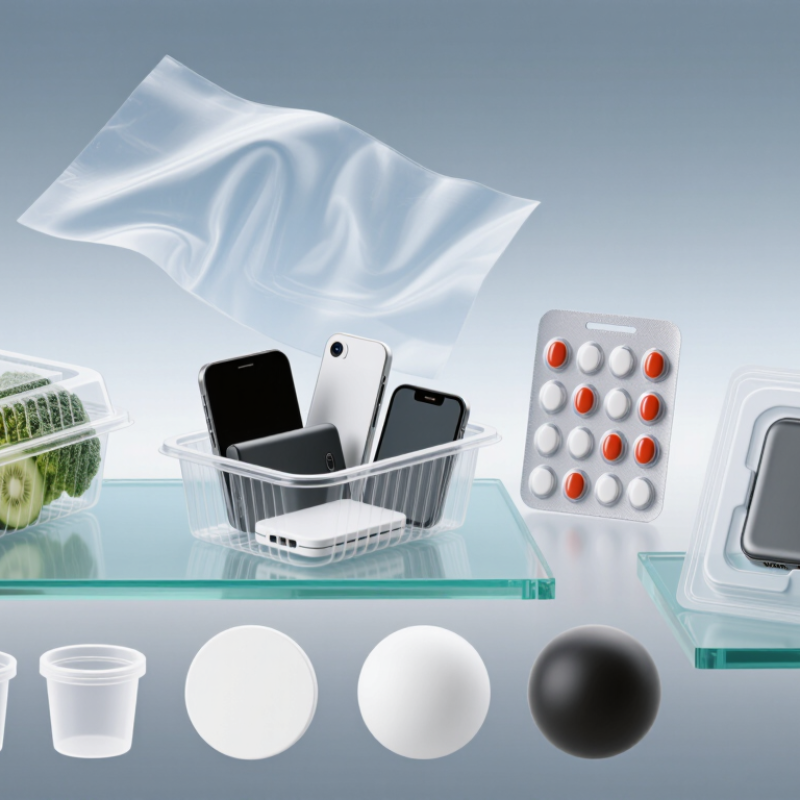
Thermoformed plastic packaging is made by heating a plastic sheet until it becomes flexible. The softened sheet is shaped over a mold, then cooled and trimmed. Common formats include trays, clamshells, blister packs, lids, and protective inserts. Each format serves a different purpose. Some hold fresh food securely, while others display small products through clear walls.

Its main role is protection, presentation, and efficient handling. Thermoformed packs can resist crushing, moisture, and everyday contact during transport. Their molded cavities also reduce product movement. That detail matters when contents are fragile or neatly arranged. Clear packaging improves visibility, but it can also encourage over-packaging. This is where design judgment becomes important. In practical packaging reviews, I check wall thickness, seal quality, mold accuracy, and opening comfort. A lightweight pack is not automatically a better pack. Weak edges may create damage, waste, or customer frustration. Recyclability also depends on material choice, local collection systems, and clean separation. These factors are often overlooked.

Tips: Match the package to the product first. Use tight cavities to limit movement. Test compression and drop resistance before production. Keep labels readable and surfaces easy to inspect. Ask whether the package can be recovered after use. Small improvements matter. Still, no design is perfect. A lower-material option may need stronger transport protection, so performance should guide the final decision.

2026 Best Thermoformed Plastic Packaging Types

Definition and Role of Thermoformed Plastic Packaging

Thermoformed plastic packaging is produced by heating a plastic sheet until it becomes flexible and shaping it over a mold. Common formats include trays, cups, clamshells, blister packs, and containers. The chart compares commonly thermoformed polymers by typical material density, an important factor affecting packaging weight, stiffness, and material efficiency.

Lower-density materials can reduce package weight, while higher-density materials may provide different combinations of rigidity, clarity, barrier performance, and heat resistance. Values shown are typical material-density ranges used in packaging engineering and may vary by grade, additives, and processing conditions.

Main Types of Thermoformed Plastic Packaging

2026 Best Thermoformed Plastic Packaging Types

Main Types of Thermoformed Plastic Packaging

Thermoformed plastic packaging starts as a heated sheet formed over a mold. The main types include trays, blister packs, clamshells, containers, lids, and custom inserts. Each format serves a different handling and protection need.

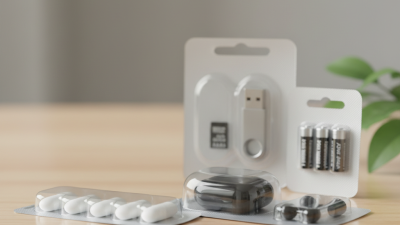
Blister packs hold individual products in shaped cavities with a sealed backing. They support clear viewing and controlled presentation. Clamshells surround the product with two hinged plastic halves. This design works well for items needing visible protection during transport. Trays organize food, medical supplies, electronics, or small components in separate sections. Deep-draw trays provide more space, but they may require thicker material and careful cooling.

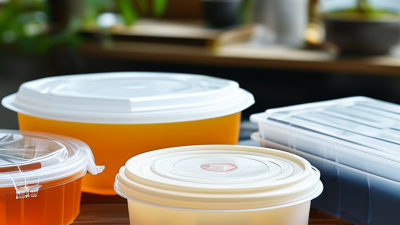
Containers and lids create a practical option for food and household applications. Engineers usually review sealing strength, stackability, temperature exposure, and material recovery options. PET, recycled PET, polypropylene, and other plastics can perform differently under heat and pressure. Food-contact packaging must also meet applicable regional safety requirements.

Custom inserts reduce movement inside outer cartons. They can protect corners, surfaces, and fragile accessories. However, complex molds may increase tooling costs and production time. No format is perfect. A clear clamshell may improve product visibility, yet it can use more plastic than a shallow tray. Designers should test drop resistance, humidity exposure, opening force, and end-of-life handling before approving a final structure. Small changes matter.

Materials Used in Thermoformed Packaging

Materials Used in Thermoformed Packaging

Thermoformed packaging starts with the polymer, not the mold. PET remains popular for clear trays, blister packs, and food containers. It offers strong transparency, stiffness, and moisture resistance. Recycled PET, or rPET, can reduce virgin resin demand when quality feedstock is available. However, rPET may show slight haze or color variation.

Polypropylene handles heat better than PET and suits microwaveable trays. It also resists many oils and chemicals. HIPS provides rigidity at a lower cost, but its recycling pathways vary by region. PVC still offers excellent clarity and barrier performance, although many converters are reducing its use. PLA can support selected compostable applications, but heat resistance and industrial composting access remain limitations.

No material wins every test. Grand View Research estimated the global thermoformed plastics market at about US$14.9 billion in 2023, with projected growth through 2030. PlasticsEurope reported that packaging represented approximately 40% of European plastics demand in its 2023 facts report. These figures underline the need for material choices based on real use conditions, not appearance alone.

Tips: Check the package after sealing, cooling, and transport simulation. Compare PET, rPET, PP, and HIPS using barrier, impact, temperature, and recycling requirements. A clear tray is not automatically the better tray. I have seen attractive designs fail after small changes in wall thickness. Consider local collection systems before making recycling claims.

Thermoforming Processes and Design Considerations

2026 Best Thermoformed Plastic Packaging Types

Thermoforming begins with a heated plastic sheet, not a finished package. Vacuum forming suits shallow trays and simple shapes. Pressure forming creates sharper corners, textures, and lettering. Twin-sheet forming can produce hollow, stronger structures, but tooling and alignment become more demanding.

Designers should match the process to the product. Thin-wall forming reduces material use, yet it can cause warping or weak rims. Deep cavities may need draft angles, generous radii, and controlled wall distribution. A chilled mold can improve cycle consistency. Small venting errors still leave visible marks. That detail is easy to underestimate.

Grand View Research estimated the global thermoformed plastics market at approximately $15.7 billion in 2023, with packaging representing a major application. The OECD’s Global Plastics Outlook reported that packaging created about 40% of global plastic waste in 2019. These figures make lightweighting important, but not automatically sustainable. A lighter tray that cracks during transport may create more waste. Recycled content can also change heating behavior, color, and stiffness. Designers should test actual material batches, not only ideal samples. This is where laboratory results sometimes disappoint. Sampling, drop testing, seal checks, and end-of-life reviews should guide the final geometry.

2026 Best Thermoformed Plastic Packaging Types - Thermoforming Processes and Design Considerations
Packaging Type Typical Materials Common Thermoforming Process Typical Thickness Range Common Applications Key Performance Advantages Important Design Considerations End-of-Life and Sustainability Notes
Food Trays PET rPET PP HIPS Vacuum forming, pressure forming, or plug-assist forming Approximately 0.4–2.0 mm Fresh meat, poultry, seafood, produce, bakery products, ready meals, and frozen foods Efficient product presentation, good nesting, controlled portioning, and compatibility with lidding films or modified-atmosphere packaging Provide sufficient corner radii, uniform wall distribution, stable stacking feet, drainage or absorbent-pad space, and sealing flanges that remain flat Mono-material PET or PP structures are generally easier to sort and recycle than mixed-material constructions. Food-contact recycled content must meet applicable regulatory requirements.
Clamshell Containers PET rPET PVC PP Vacuum forming or pressure forming with an integral hinge Approximately 0.5–1.5 mm Hardware, household goods, personal-care accessories, small electronics, and retail products High product visibility, tamper evidence, strong retail display presence, and protection against dust and handling damage Design the hinge for repeated flexing, maintain adequate clearance around the product, control sharp edges, and use a reliable snap closure without excessive opening force Clear PET versions are commonly compatible with PET recycling streams where accepted. Adhesives, labels, inserts, and non-compatible closures should be minimized.
Blister Packs PET PVC PETG PP Vacuum forming or pressure forming over a shaped plug Approximately 0.2–0.8 mm Pharmaceutical products, batteries, stationery, hardware, toys, and small consumer products Accurate product retention, compact material use, visibility, tamper resistance, and compatibility with paperboard cards or lidding foils Allow draft angles for demolding, avoid deep unsupported pockets, include rounded transitions, and select a sealing surface compatible with the backing material Plastic-and-paper combinations can complicate recycling. Detachable backing cards and mono-material structures can improve sorting and recovery.
Medical and Pharmaceutical Trays PETG PET PP PS Clean-room vacuum forming, pressure forming, or plug-assist forming Approximately 0.5–2.5 mm Surgical instruments, diagnostic devices, implants, syringes, vials, and procedure kits Precise positioning, contamination protection, sterilization compatibility for selected materials, and controlled presentation of sterile contents Validate material compatibility with the sterilization method, control particulates, use atraumatic radii, prevent product movement, and maintain validated sealing and barrier performance Material selection should be based on the complete medical-device system, including sterilization, barrier, labeling, and regulatory requirements. Recycling may be limited after clinical use.
Food Containers and Tubs PP PET HIPS Thin-gauge pressure forming or plug-assist forming Approximately 0.4–1.5 mm Yogurt, dairy products, dips, sauces, snacks, desserts, and prepared foods Good volume efficiency, stackability, printable surfaces, and suitability for heat sealing or snap-on lids Balance sidewall taper with label area, control rim flatness, add anti-nesting features when required, and design the base to resist flexing during filling and transport PP and PET mono-material formats can support established recycling pathways in many markets. Dark pigments and multilayer constructions may reduce recovery options.
Lids and Covers PET PP PS HIPS Vacuum forming, pressure forming, or matched-die forming Approximately 0.3–1.2 mm Food containers, bakery packs, produce trays, storage packaging, and industrial component covers Lightweight closure, product visibility, protection from contamination, and flexible options for snap-fit or heat-sealed designs Specify rim flatness, sealing land width, closure tolerances, venting where needed, and sufficient stiffness around stacking or handling areas Use the same polymer as the container where practical. Avoid unnecessary coatings or permanently attached components that interfere with recycling.
Egg Cartons and Produce Packs PET rPET PP Molded Fiber Alternative Vacuum forming, pressure forming, or plug-assist forming Approximately 0.4–1.2 mm Eggs, berries, tomatoes, mushrooms, and other delicate produce Product cushioning, ventilation potential, stackability, visibility, and compartmentalized protection Use rounded pockets, adequate ventilation openings, crush-resistant ribs, controlled hinge fatigue, and sufficient clearance for natural product variation Clear PET and rPET formats may be recyclable where collection systems accept them. Design ventilation and labels so they do not unnecessarily reduce material recovery.
Industrial Parts Trays HIPS ABS PP HDPE Heavy-gauge vacuum forming, pressure forming, or twin-sheet forming Approximately 1.5–6.0 mm Automotive components, electronics, machinery parts, tools, and warehouse handling systems Reusable potential, low part damage, organized picking, moderate impact resistance, and compatibility with automated handling Design nesting and denesting features, reinforce load-bearing ribs, control dimensional tolerances, provide ergonomic handholds, and consider forklift or conveyor interfaces Reusable designs can reduce packaging consumption over multiple trips. Single-polymer construction improves recyclability at the end of the service life.
Protective Inserts and Component Nesting Trays PET HIPS PP EVA-Laminated Sheet Vacuum forming or pressure forming with localized cushioning features Approximately 0.5–3.0 mm Cosmetics, electronics, laboratory equipment, precision parts, and gift sets Accurate presentation, component separation, vibration reduction, and efficient use of shipping cartons Use positive retention points rather than excessive compression, protect cosmetic surfaces, allow removal by hand, and account for assembly tolerances Uncoated mono-material inserts are easier to recover. Laminated foams, flocking, and bonded materials may require separation or alternative disposal routes.
Disposable Cups and Drink Containers PET PP PS High-speed pressure forming or plug-assist forming Approximately 0.25–0.8 mm Cold beverages, desserts, dairy products, vending applications, and portion-controlled foods Low unit weight, high production speed, consistent rim geometry, and compatibility with printed sleeves or lidding films Control rim curl, wall distribution, base stability, nesting force, and resistance to distortion from filling temperature or refrigeration Recyclability depends on local collection and sorting infrastructure. Matching the cup and lid polymer can simplify recovery.
Twin-Sheet Hollow Packaging PP HDPE ABS PETG Twin-sheet thermoforming with bonded or welded perimeter sections Approximately 1.5–6.0 mm per sheet Reusable transport containers, protective cases, hollow panels, and engineered industrial packaging Higher structural stiffness, enclosed cavities, integrated handles, improved impact protection, and reduced assembly requirements Align the two sheets accurately, design for weld-line strength, manage trapped air, provide consistent wall thickness, and evaluate corner deformation under load Use compatible sheets and avoid unnecessary inserts when recyclability is a priority. Reusable service cycles should be included in the environmental assessment.
Reusable Transport Totes HDPE PP ABS Heavy-gauge vacuum forming, pressure forming, or twin-sheet forming Approximately 2.0–8.0 mm Automotive logistics, industrial distribution, warehouse picking, and closed-loop supply chains Durability, repeated-use capability, stackability, cleanability, and customization for automated material handling Specify drop and compression loads, reinforce corners and handles, provide drainage or wash-down features, and coordinate external dimensions with pallets and conveyors Design for long service life, repairability, and eventual material recycling. Recycled content may be suitable for non-food-contact applications after performance validation.

Note: Thickness ranges and material selections are typical industry guidelines rather than universal specifications. Final values should be confirmed through tooling trials, product testing, regulatory review, and evaluation of local recycling infrastructure.

Applications, Benefits, and Selection Criteria in 2026

2026 Best Thermoformed Plastic Packaging Types

Applications, Benefits, and Selection Criteria in 2026

Thermoformed packaging remains practical for food, medical devices, electronics, and retail products. Grand View Research estimates the global thermoformed plastic products market reached about USD 15.8 billion in 2023. Growth is linked to lightweight formats and efficient production. Popular types include trays, clamshells, blister packs, cups, tubs, and custom inserts. Each format serves a different protection need.

Food producers often choose clear trays for portion visibility and automated sealing. Blister packs protect small products from moisture and handling damage. Medical packaging demands clean processing, accurate dimensions, and strong seal integrity. Electronics packaging needs cushioning and static-control features. Thin-gauge films can reduce material use, while heavy-gauge sheets provide stronger impact resistance.

The trade-off is real.

Selection should begin with product geometry, shelf life, transport conditions, and filling equipment. Smithers’ packaging analysis identifies sustainability pressure as a major force shaping material decisions through 2026. Recycled content may support environmental goals, but it can affect clarity, color, and forming stability. Test before scaling.

Compare PET, PP, PVC, and barrier laminates against temperature, chemical exposure, and recycling access. Also review tooling costs, cycle time, and scrap rates. A cheaper mold may create inconsistent walls. That mistake becomes expensive. Industry estimates differ by research method, so procurement teams should verify supplier data through pilot runs, migration testing, and measured line performance.

Click to access the login or register cheese
Scroll to Top

Request a Quote

Call 815-281-5297 now to speak directly with an Algus expert or fill out the form below.