What Are the Best Practices for Blister Packaging Design?
Blister packaging design plays a crucial role in product presentation and protection. It ensures products remain safe during transportation and enhances consumer appeal. Good design balances functionality and aesthetics. It should be user-friendly and visually appealing.
While there are established standards for blister packaging design, some practices can benefit from critical reflection. For instance, choosing the right materials can improve durability but may increase costs. Using eco-friendly materials is ideal, yet it can complicate the packaging process.
Effective blister packaging design must also consider user experience. An unclear opening mechanism can frustrate customers. Companies often need to revisit their designs to address such issues. Attention to detail is essential for maintaining reliability and trust. Overall, careful consideration in blister packaging design can elevate a product's market presence.
Understanding the Importance of Blister Packaging in Product Protection
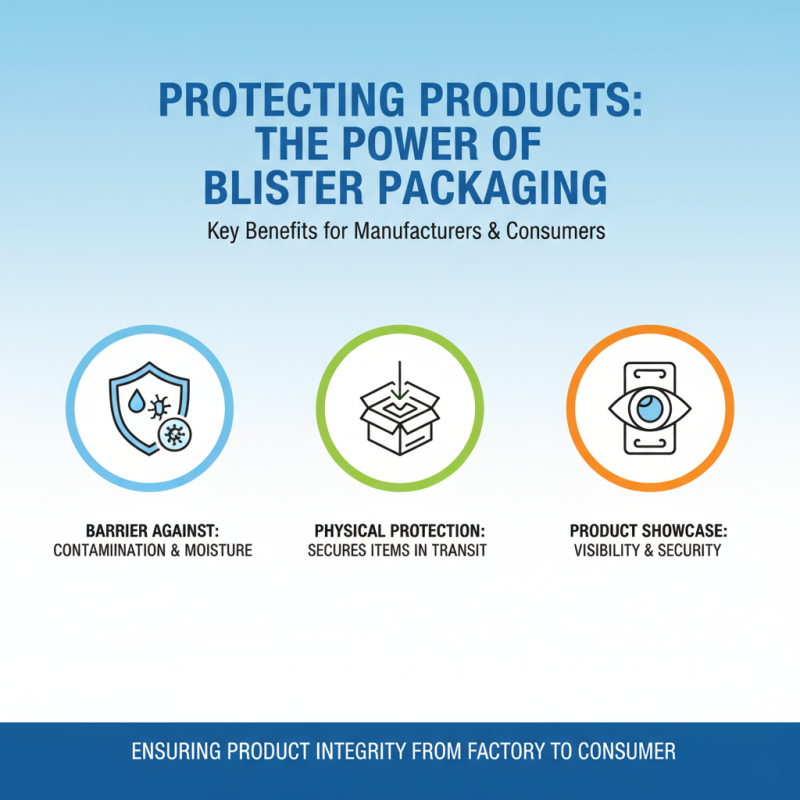
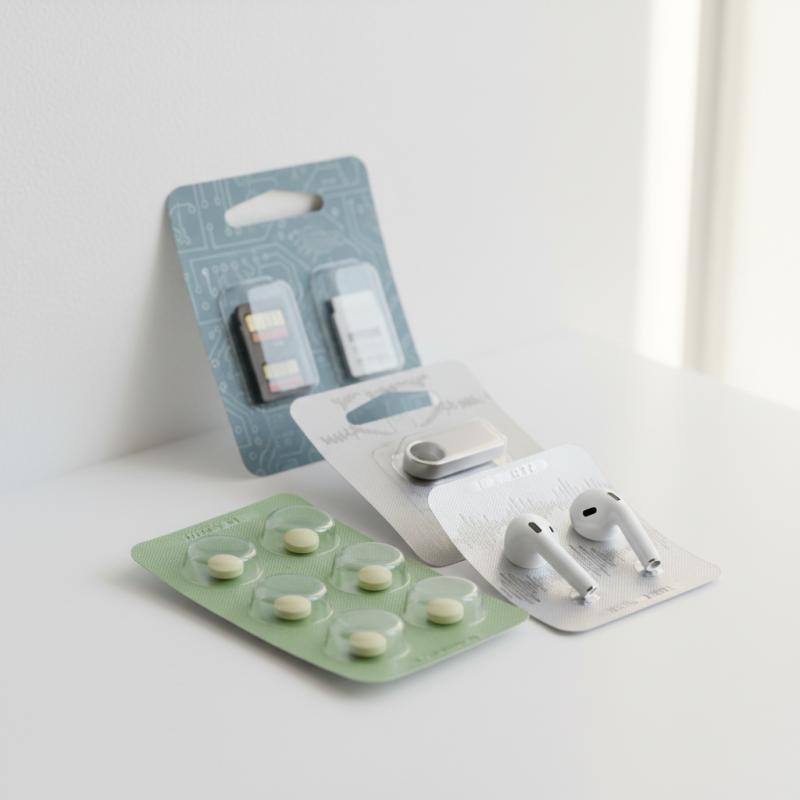
Blister packaging plays a crucial role in product protection. It serves as a barrier against contamination, moisture, and physical damage. Ensuring that products remain intact during transport is essential for manufacturers. This type of packaging can effectively showcase items while offering safety and security.
Designing blister packaging requires attention to detail. The materials chosen must provide strength yet remain easy to open. A balance between security and accessibility is key. Poor design can lead to frustration for customers. Frustrated customers are less likely to trust the brand. Each design should account for usability as well as protection.
A well-designed blister pack can enhance the user experience. Transparent blisters allow customers to see the product clearly. This visibility can increase consumer confidence. Thus, evaluation and iteration on the design must happen regularly. Continuous improvement is vital to meet ever-changing consumer expectations. Packaging should not only protect but also serve as a communication tool for the product within.
Key Materials Used in Effective Blister Packaging Design
Blister packaging plays a crucial role in protecting products and enhancing consumer experience. The materials chosen for blister packaging significantly impact its effectiveness. Commonly used materials include PVC, PET, and aluminum. Each comes with unique benefits. PVC is versatile and widely used, offering good clarity. PET, on the other hand, is more environmentally friendly and offers great strength. Aluminum provides excellent barrier properties, crucial for sensitive products.
While selecting materials, consider product compatibility. Not all materials work well with every product type. For instance, certain medications may react negatively with specific plastics. Evaluate the shelf life and storage conditions too. These factors must influence your material choice. Packaging should protect the product while showcasing it effectively.
Tips for optimal design include analyzing user needs. Understand how consumers will interact with your packaging. Are they opening it often? Ensure it is user-friendly. Test prototypes to gather feedback. This step is vital. Consider the environmental impact of your materials. While you aim for durability and effectiveness, sustainability matters too. Balance between functionality and eco-friendliness can enhance your brand’s reputation.
Best Practices for Blister Packaging Design
Essential Design Considerations for Optimal User Experience in Packaging
Blister packaging design plays a crucial role in user experience. Effective packaging should ensure that products are easily accessible. Sharp edges and complex openings can frustrate users. Designers should prioritize user interaction from the moment they see the product. Clear instructions and visible product contents create a sense of security.
Consider the materials used in blister packaging. Users appreciate eco-friendly options. Sustainable materials can influence purchase decisions. It's essential to balance aesthetics with function. An attractive design draws attention but must not compromise safety. Inadequate sealing might lead to spoilage, while excessive plastic is wasteful.
Feedback from users is vital. Conducting surveys can reveal preferences and pain points. Users often express frustration with excessive packaging waste. Design should encourage recycling and be mindful of the environment. Each choice in blister packaging reflects a brand's commitment to quality and user consideration. Striving for improvement is a continuous process.
Incorporating Sustainability Practices in Blister Packaging Solutions
Sustainability in blister packaging has become a priority in recent years. The global packaging market is projected to reach $1 trillion by 2024. With rising consumer awareness, companies must adopt eco-friendly practices. Studies reveal that 75% of consumers prefer sustainable packaging options. Therefore, integrating sustainable materials in blister packaging is essential.
One way to enhance sustainability is by using biodegradable materials. Traditional PVC and PET are widely used but pose environmental challenges. Switching to materials like plant-based PLA or compostable films can reduce ecological impact. These alternatives can help companies align with eco-conscious consumers.
Tips for sustainable blister packaging design include minimizing material use while ensuring product protection. Evaluate your designs regularly to identify areas for improvement. Partnering with suppliers who prioritize sustainability can provide better material options. Finally, consider implementing recycling programs to encourage consumer participation in sustainability initiatives.
What Are the Best Practices for Blister Packaging Design? - Incorporating Sustainability Practices in Blister Packaging Solutions
| Best Practice |
Description |
Sustainability Impact |
| Material Selection |
Choose biodegradable or recyclable materials for blister packs. |
Reduces landfill waste and encourages recycling. |
| Minimal Packaging |
Design to use the least amount of material necessary while ensuring product safety. |
Lowers the carbon footprint by reducing material usage. |
| Ease of Recycling |
Make packaging easy to clean and sort for recycling. |
Increases the likelihood of proper recycling practices by consumers. |
| User-Friendly Design |
Ensure the packaging is easy to open without tools, reducing waste and frustration. |
Enhances consumer experience, potentially reducing waste due to damage. |
| Education on Disposal |
Include clear instructions for proper disposal and recycling on the packaging. |
Encourages responsible consumer behavior regarding packaging waste. |
Regulatory Compliance and Safety Standards in Blister Packaging Design
When designing blister packaging, regulatory compliance is crucial. Factors include material safety, child resistance, and tamper-evidence requirements. According to a report from the Flexible Packaging Association, over 30% of product recalls result from packaging failures. Ensuring that blister packs meet industry standards can prevent these costly outcomes.
Safety standards, such as ISO 11607, guide the packaging of medical devices. These standards focus on the validation of packaging processes and materials. Recent studies indicate that 25% of blister packages failed to pass environmental testing. This suggests a significant need for improvements in the design phase, and it raises concerns about product integrity during transportation.
It’s essential to consider the user experience as well. Blister packs should be easy to open yet secure enough to deter accidental access. A survey revealed that 40% of consumers reported difficulties with traditional blister packaging. Enhancing user-friendliness while maintaining safety presents a challenge. Balancing these aspects is a continuous process requiring regular feedback and updates to meet evolving standards.