What is Blister Tray Packaging and How Is It Used?
Blister tray packaging is a vital component in various industries, offering both protection and visibility for products. According to a recent report by Market Research Future, the blister packaging market is projected to reach USD 33 billion by 2025, driven by growing demand in the pharmaceutical sector. This form of packaging is particularly favored for its ability to showcase products while keeping them safe from external factors.
Industry expert Dr. Emily Carter states, "Blister tray packaging enhances consumer experience by providing convenience and security." This highlights the importance of the design in appealing to customers. The materials used in blister trays, such as PVC, PET, and paperboard, play a crucial role in the production process. As the market evolves, sustainability becomes an area needing reflection. Manufacturers are urged to consider eco-friendly options in their packaging solutions.
While blister tray packaging offers numerous benefits, it also presents challenges. The production process can generate waste and may not always be cost-effective for smaller companies. Each aspect of this packaging type warrants further consideration to enhance both functionality and sustainability.
What is Blister Tray Packaging?
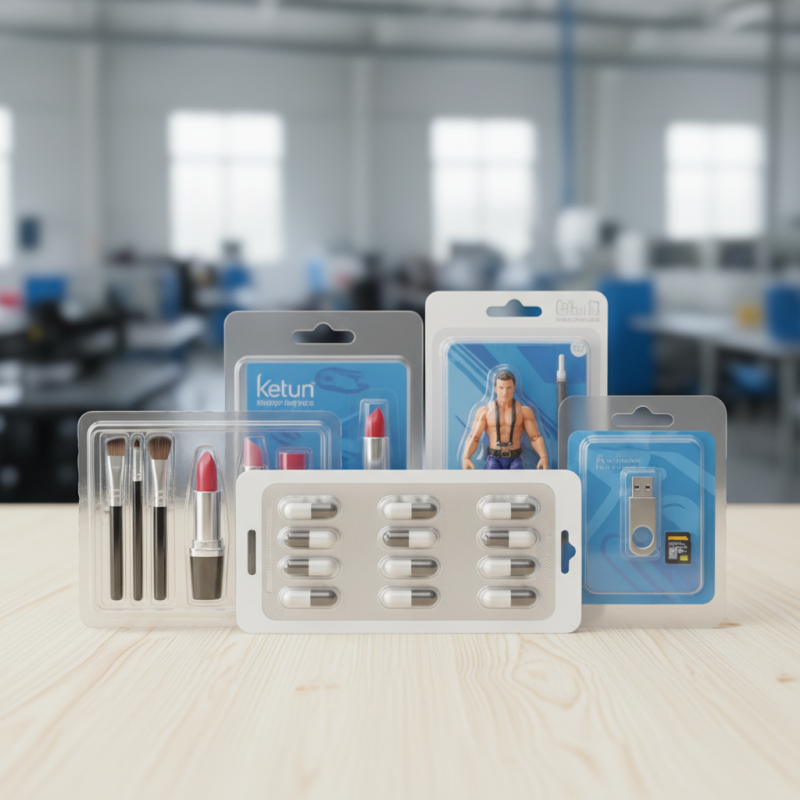
Blister tray packaging is a type of protective packaging for various products. It usually consists of a pre-formed plastic cavity sealed with a backing material. This design provides a clear view of the product while ensuring protection. It is often used for items like pharmaceuticals, electronics, and small consumer goods. The transparent nature allows consumers to see the product before purchasing.
One can think of blister trays as a hybrid between packaging and display. They are not just about safety; they also serve a marketing purpose. However, creating an appealing design might be challenging. The risk of too much space or poorly placed products can affect presentation. Careful consideration of product size is essential to avoid waste.
From an environmental perspective, blister tray packaging can raise questions. While they protect items well, many materials used are not biodegradable. This could lead to environmental issues down the line. Additionally, not all users appreciate the convenience, as these packages can be difficult to open. It's important to consider these factors in future designs.
Key Components of Blister Tray Packaging
Blister tray packaging combines functionality with efficiency. Its key components include the blister, the tray, and the sealing layer. The blister serves as a protective pocket for products. Typically made of plastic, it keeps items safe from moisture and contamination. The tray, often made of cardboard or plastic, provides structural support. It also offers a base for the blisters, allowing for easier stacking and storage.
The sealing layer is crucial. It ensures that the blister and tray are securely joined, preventing tampering. According to industry reports from Smithers Pira, the global blister packaging market is expected to reach $28 billion by 2027. This growth highlights the importance of both durability and design in packaging solutions.
Tips: Always consider the material's recyclability when choosing designs. Keeping an eye on sustainability trends could provide a competitive edge. Also, ensure that designs are user-friendly. Good packaging enhances customer experience. It’s worth reflecting on how often design oversights lead to increased returns or customer dissatisfaction.
Common Uses of Blister Tray Packaging Across Industries
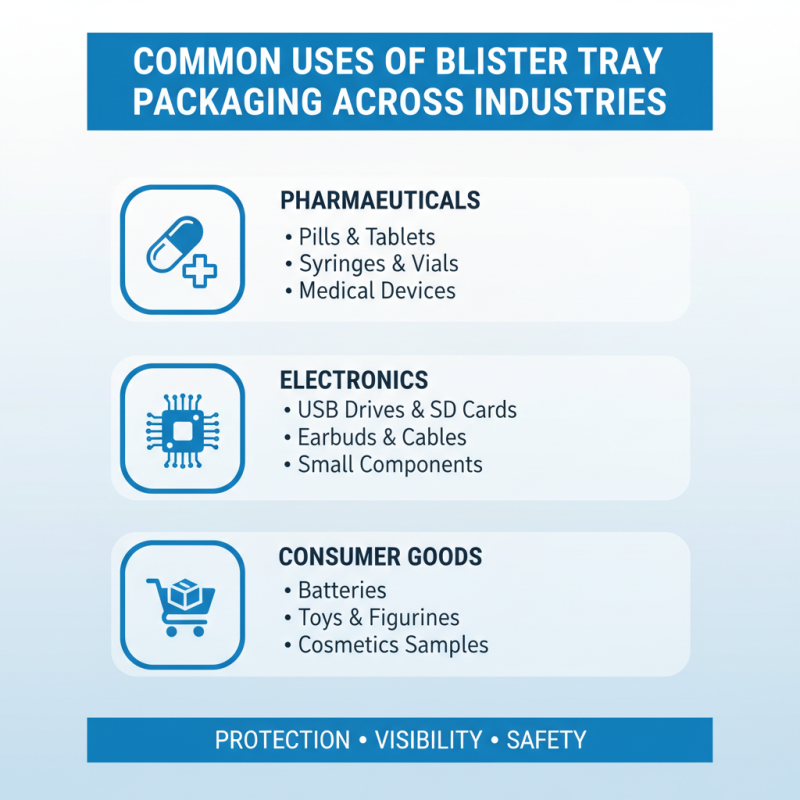
Blister tray packaging is popular across multiple industries. It offers a protective barrier for various products. This type of packaging is often used in pharmaceuticals, electronics, and consumer goods. It can enhance product visibility while ensuring safety during transportation.
In the pharmaceutical industry, blister trays secure tablets and capsules. They allow for easy dispensing. Yet, some users struggle with opening these trays. This could lead to frustration. Additionally, the use of recycled materials in production is still a challenge for many manufacturers.
In electronics, blister trays provide custom-fit solutions. They protect sensitive components from damage. However, not all designs account for easy access. Lastly, in retail, blister trays help showcase products attractively. Still, they can waste space on shelves. Improving these aspects remains a focus for designers.
Advantages of Using Blister Tray Packaging
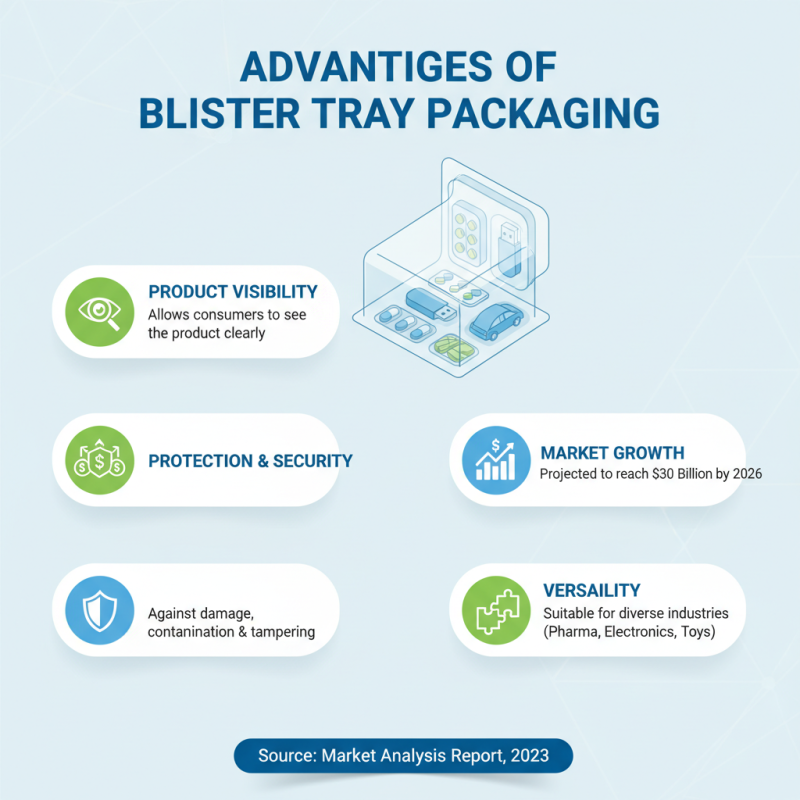
Blister tray packaging offers numerous advantages for diverse industries. It is particularly effective for items that require visibility and protection. This type of packaging allows consumers to see the product clearly while still providing a secure barrier against damage and contamination. According to a recent market analysis, the blister packaging market is projected to reach $30 billion by 2026, reflecting its growing popularity.
One of the key benefits of blister tray packaging is its customization options. Companies can create specifically designed trays to fit their products perfectly. This minimizes movement during transport, reducing the risk of damage. The packaging itself can be made from recyclable materials, appealing to environmentally conscious consumers. Yet, the reliance on plastic raises questions about sustainability. The industry needs to keep finding ways to balance convenience and environmental impact.
Moreover, blister trays allow for efficient shelf space utilization. Their clear design encourages impulse buying, which can increase sales. However, manufacturers must be aware of the cost implications. The setup for custom molds can be expensive initially. Additionally, high-volume production might lead to waste if not executed carefully. Inclusion of user-friendly features, such as easy-open designs, can enhance the overall consumer experience, but continuous improvement is necessary.
Environmental Considerations in Blister Tray Packaging
Blister tray packaging is often praised for its practicality. However, environmental concerns cannot be overlooked. The materials used in blister trays, typically plastic, contribute to pollution. Recycling these materials is possible but not always effective. Many trays end up in landfills, where they can take hundreds of years to decompose. This raises questions about sustainability in packaging.
The production process of blister trays also has a significant environmental impact. Manufacturing requires energy and resources, contributing to carbon emissions. Additionally, the disposal of blister trays can lead to microplastic pollution. These tiny particles can harm wildlife and disrupt ecosystems. There are movements within the industry to address these issues, but challenges remain.
Exploring alternatives is crucial. Biodegradable materials are emerging, but they must also be effective in protecting products. The balance between functionality and environmental impact is delicate. Each choice in packaging affects the planet. It's important to reflect on these aspects, as consumer demand shapes the future of packaging solutions.