China Best Tray Sealer Packaging Machine Supplier?
Choosing the best supplier in China starts with your product, not a sales brochure. A tray sealer packaging machine must match your tray material, dimensions, film, and daily production target. For a food processor, steady seals and simple changeovers can matter as much as the quoted speed. A machine that runs well with one tray may struggle with another. Small details matter. Check film tension, sealing temperature, tray depth, and changeover time using your own packaging, not only a catalog sample. A supervised test run can reveal leaks, uneven seals, or awkward loading before you commit.
Supplier claims deserve careful review. Ask for clear specifications, suitable product references, and details about testing and quality checks. Check whether the machine supports the sealing method and optional features your process actually needs. If your trays or film are customized, send samples and request a trial with recorded results. Service matters too. Confirm what training, spare parts, remote support, and response times are available after installation. A low quote may leave important costs unclear, so compare the full package rather than the headline price. Even a careful review can miss something; production conditions often expose small issues later. There is no universal winner. The right supplier is one that can demonstrate a dependable fit for your product, explain limitations plainly, and support the machine as your operation changes.
What Is a Tray Sealer Packaging Machine?
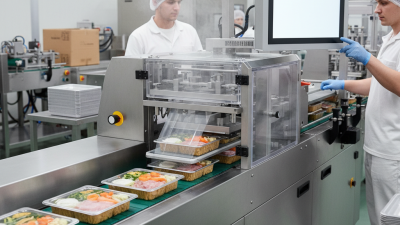
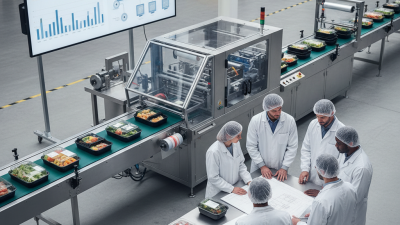
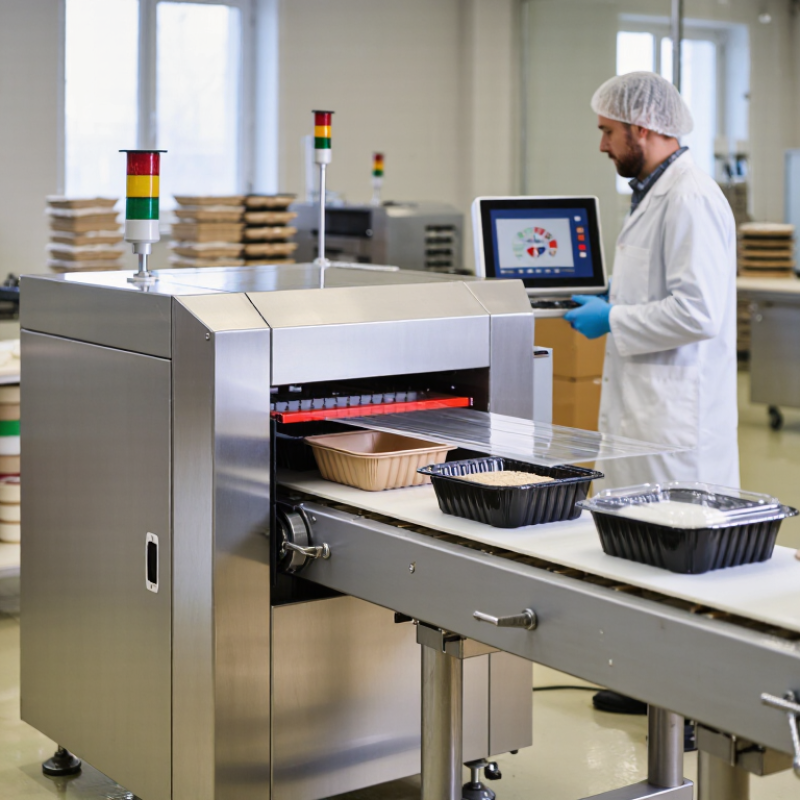
A tray sealer packaging machine places a heat-sealable film over a filled tray and bonds it around the rim. Depending on its design, it may seal one tray at a time or process several trays in a cycle. Operators load trays into a fitted tool, position the film, and set the sealing temperature, pressure, and dwell time. The result is a closed package that can help protect food from spills and outside contamination.
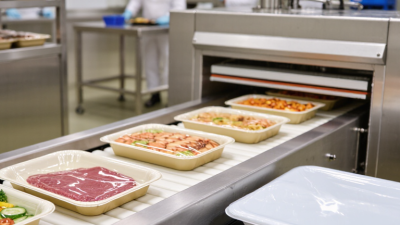
A typical machine includes a tray-loading area, a sealing station, and a film feed. Some models also cut the film to the tray’s outline or remove excess material. For example, a meal tray moves into the tool, the film presses against its rim, and heat forms the seal. The correct settings depend on the tray material and film, so operators should test samples before regular production. Small changes matter.
In daily use, staff check seal edges, film alignment, and tray cleanliness. Crumbs or sauce on the rim can create weak spots. A leak test can reveal problems that look invisible at first glance. Automation may improve consistency, but it does not replace inspection. And the fastest setting is not always the best one; excessive heat can distort a tray or wrinkle the film. Product trials and routine checks help teams choose settings suited to their actual packaging line.
How Does a Tray Sealer Work?
How Does a Tray Sealer Work?
A tray sealer closes a filled tray with a flexible film lid. The operator loads trays into a forming station or places them in prepared pockets. The machine positions film over each tray, then a heated sealing plate presses it against the rim. For modified-atmosphere packs, air may be removed and a controlled gas mixture introduced before sealing. The film is trimmed, and the sealed tray moves to inspection or packing. Simple in principle.
Reliable seals depend on clean tray rims, compatible materials, and correct heat, pressure, and dwell time. Too little heat can leave channels; too much may wrinkle or weaken the film. In production, operators check seal appearance and run seal-strength tests, such as ASTM F88 testing. I would not copy settings between tray materials without trials. Small differences matter.
Packaging cannot prevent every cause of food loss. Still, package integrity matters: UNEP’s Food Waste Index Report 2024 estimates that 1.05 billion tonnes of food were wasted in 2022, about 19% of food available to consumers. A tray sealer is one part of a wider control process, alongside cooling, storage, and handling. Not magic. Temperature logs and routine seal checks help reveal problems before they spread across a production run.
What Types of Tray Sealing Machines Are Available?
Tray sealing machines differ by output, labor needs, and the seal they create. Manual and tabletop units suit small batches, test kitchens, or frequent product changes. Operators place each tray, position the film, and start the cycle. Simple, but labor adds up.
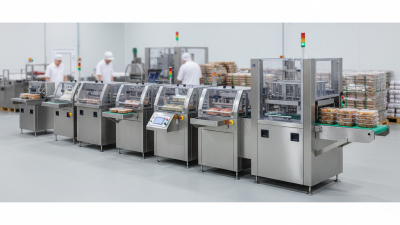
Semi-automatic machines handle sealing with less manual effort, while automatic inline systems feed trays continuously for higher-volume production. Rotary machines use multiple stations, which can increase output in a compact footprint. Some models support vacuum or modified-atmosphere packaging, removing air or replacing it with a selected gas mix. Others use skin-pack films that cling closely to the product. Each option needs compatible trays and film. A mismatch can cause weak seals or wrinkles.
PMMI’s 2023 State of the Industry report estimated U.S. packaging machinery shipments at about $10.5 billion in 2022, showing the scale of equipment investment. That figure covers packaging machinery broadly, not tray sealers alone. Buyers should compare actual cycle rates, changeover time, seal consistency, and cleaning access against their own product trials. A catalog speed may not match a real line. This choice is less tidy than brochures suggest.
China Best Tray Sealer Packaging Machine Supplier? What Types of Tray Sealing Machines Are Available?
Typical production-rate ranges by tray sealer configuration
Manual and semi-automatic machines suit lower-volume operations, while inline and rotary systems are designed for higher throughput. These indicative ranges vary with tray size, operator speed, tooling, and sealing requirements; check the manufacturer's specifications for a specific machine.
What Makes a Chinese Supplier a Strong Choice?
A strong Chinese tray sealer supplier offers more than a competitive quotation. The real test is whether the machine suits your trays, film, and daily production pace. Ask for a sample run using your actual packaging materials. Watch how evenly the seal forms around corners and how easily operators load trays. Small details matter.
Look closely at engineering and service support. Clear specifications should cover sealing area, cycle time, temperature control, and changeover steps. Ask which components are locally available and how remote troubleshooting works. A supplier that shares test records and maintenance guidance makes evaluation easier. Still, a polished video is not enough; request a live demonstration or inspect a machine before purchase, when practical.
Communication is another useful measure. Can the technical team explain limits, such as slower output with unusually deep trays, without promising a perfect fit? That honesty builds confidence. Compare response times, spare-parts lists, training plans, and warranty terms in writing. Do not judge only by price. I would also leave room for uncertainty: film behavior can vary between production batches, so trials after installation may reveal issues that a factory test missed.
How Can Buyers Evaluate and Select a Supplier?
A tray sealer supplier should be judged against the buyer’s actual products, not just a brochure. Define the tray material, dimensions, film type, target output, and sealing method before comparing proposals. Ask the supplier to test your trays and film on the proposed machine. Watch several cycles, not just one successful seal. Check for wrinkles, leaks, uneven edges, and film waste. Small details matter.
Evaluate changeover time, cleaning access, operator training, and the availability of wear parts. Ask how the machine handles different tray depths or production speeds. Request clear specifications and references from customers with similar packaging needs. A polished demonstration can be useful, but it cannot replace written performance criteria. Confirm what the quotation includes, such as installation, training, and service response times. Get details in writing.
Compare the full operating cost, not only the purchase price. Energy use, maintenance intervals, tooling, and downtime can change the real value over time. Ask who will troubleshoot the equipment and how quickly spare parts can be shipped. Then review the supplier’s answers with production and maintenance staff. One point is easy to overlook: the fastest machine may not suit a line with frequent product changes. No supplier can remove every risk, so note unanswered questions before committing.