2026 How to Choose the Right Tray Sealer Packaging Machine for Your Business?
Choosing the right tray sealer packaging machine is crucial for business success in the food industry. Efficiency and quality are vital. According to industry reports, the global tray sealing market is expected to grow by over 5.5% annually through 2026. This growth indicates a rising demand for effective packaging solutions. With increasing competition, businesses must prioritize advanced packaging technology.
A tray sealer packaging machine ensures product longevity and enhances visual appeal. It's essential to evaluate factors like production volume, material compatibility, and sealing technology. Many companies face challenges when choosing the right equipment. For instance, investing in complex machines may lead to operational inefficiencies if not adequately matched to production needs.
Additionally, sustainability is becoming increasingly important. Many packaging machines now focus on eco-friendly materials. Businesses need to balance functionality with environmental responsibilities. Finding a reliable supplier can also be daunting. Research shows that 30% of businesses regret not conducting thorough evaluations before purchasing packaging equipment. Therefore, understanding your needs and options can significantly impact long-term success.
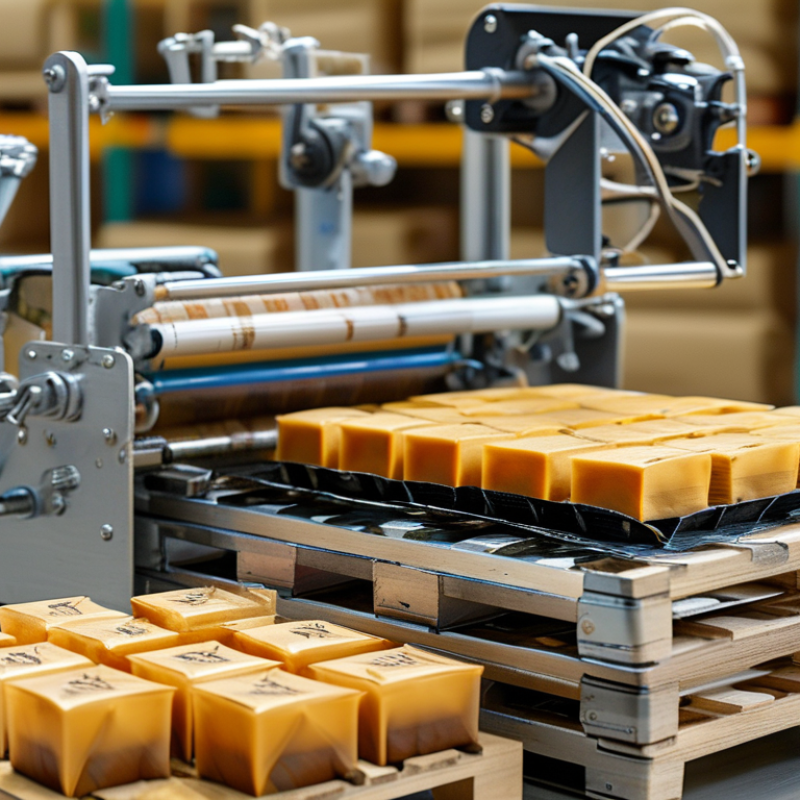
Understanding the Types of Tray Sealers: Automatic vs. Semi-Automatic
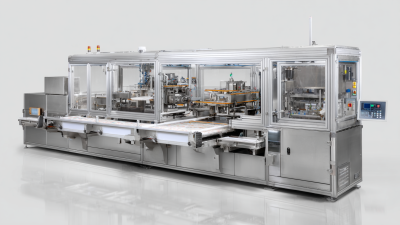
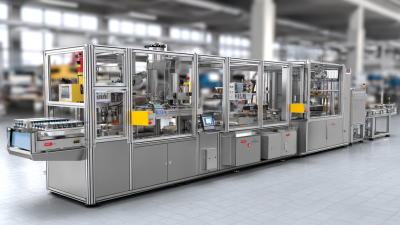
When choosing a tray sealer, understanding the types is essential. Automatic tray sealers provide high efficiency. They can handle larger production volumes with minimal human intervention. This appeal comes from their speed and precision. However, they require a significant upfront investment. Some businesses may find it challenging to justify the cost.
On the other hand, semi-automatic tray sealers are more accessible for smaller operations. They offer flexibility and are easier to operate. This can suit businesses with lower volumes or those just starting. However, the trade-off is in speed and efficiency. Manual labor is still needed, which can introduce variability.
Evaluating your production needs is crucial. Consider how often you will use the machine. You might regret overspending on an automatic setup that doesn’t fit your production rate. Alternatively, a semi-automatic machine may become a bottleneck as your business grows. Reflect on your expectations and the resources available.
2026 How to Choose the Right Tray Sealer Packaging Machine for Your Business? - Understanding the Types of Tray Sealers: Automatic vs. Semi-Automatic
| Type of Tray Sealer |
Production Speed (Trays/hour) |
Automation Level |
Typical Applications |
Cost Range (USD) |
| Automatic Tray Sealer |
600 - 1200 |
Fully Automated |
High-volume food packaging, pharmaceuticals |
$30,000 - $150,000 |
| Semi-Automatic Tray Sealer |
200 - 600 |
Partially Automated |
Small to medium food businesses, local manufacturers |
$10,000 - $40,000 |
| Manual Tray Sealer |
50 - 150 |
Non-Automated |
Small-scale operations, bespoke packaging |
$2,000 - $10,000 |
Key Factors in Selecting a Tray Sealer: Production Capacity and Volume
When choosing a tray sealer for your business,
production capacity is a key factor. You need to assess your expected output.
Consider the number of trays required per hour. A high production capacity machine might seem appealing.
However, it may not be necessary for smaller operations. Balancing your needs with machine capabilities
is crucial.
Understanding volume requirements
is just as important. Think about the types of products you will package. Some products may require
more space. Others might be more compact. Evaluating these needs helps to select the right machine.
Keep in mind that fluctuations in demand can impact your choice, too. You want a machine that can adapt effectively.
Investing in a tray sealer is significant. Sometimes, businesses overestimate their capacity needs.
This can lead to unnecessary expenditures. Researching the market, learning about your
production processes, and consulting experts can guide you. Remember that not all machines are created equal.
Each business has unique requirements that need careful consideration.
Evaluating Material Compatibility: Plastic vs. Paper Trays in Food Packaging
When choosing food packaging, the type of tray is crucial. Plastic and paper trays each have their strengths and weaknesses. Plastic trays are often favored for their durability and moisture resistance. They can effectively preserve food freshness over extended periods. However, they are less environmentally friendly. Many consumers are now leaning towards sustainable options. This has led to increased interest in paper trays.
Paper trays, on the other hand, align closely with eco-conscious values. They are biodegradable and often made from recycled materials. Despite this, they may struggle with moisture, leading to potential leaks. This can compromise food quality. Businesses need to consider how products will be stored and transported. If the food requires high moisture retention, plastic might be better.
Understanding your product is key. It impacts the choice between plastic and paper. Try to gather feedback from your consumers regarding their preferences. It's also beneficial to analyze costs related to each material. Sometimes, a hybrid approach could be the answer. Evaluating these factors carefully ensures that businesses deliver quality while also meeting market demands.
Material Compatibility in Food Packaging Trays
Cost Analysis: Budgeting for Initial Investment and Long-Term Operation
When considering the right tray sealer packaging machine, budgeting is crucial. Calculate your initial investment, covering purchase and installation costs. Look into additional expenses like training staff, maintenance, and spare parts. This thorough approach ensures you won't face unexpected financial strains.
Tips: Plan for at least 10% of your budget for unforeseen costs. This safety net can prevent disruptions in operation.
Long-term operation costs should also be considered. Energy expenses, labor, and consumables can add up over time. Evaluate the machine's efficiency. An energy-efficient model might cost more upfront but save money in the long run.
Tips: Check for grants or funding options that can support your investment. Many programs help businesses upgrade their equipment sustainably. Investing in the right equipment today can enhance your productivity and reduce future costs.
Industry Trends: Innovations in Tray Sealing Technology for 2026
As we look towards 2026, the tray sealing technology industry is experiencing exciting innovations. Recent reports indicate that the global tray sealing market is expected to grow at a CAGR of 5.2% from 2021 to 2026. This growth is largely driven by improvements in efficiency and sustainability. Manufacturers are increasingly adopting machines that use less energy and produce less waste. Companies must stay ahead of these trends to remain competitive.
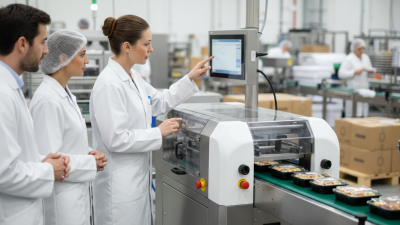
Among the most notable advancements are machines equipped with enhanced automation features. These machines reduce labor costs and improve production speed. With the rise in demand for ready-to-eat meals, automated tray sealers can handle varied products seamlessly. According to industry research, approximately 70% of consumers prefer packaging that extends product shelf life. This means that choosing a machine with superior sealing technology is crucial for businesses aiming to meet market expectations.
Another trend is the focus on sustainable materials. The demand for eco-friendly packaging solutions is rising, with a 55% increase in consumer preference for biodegradable options reported in 2022. Adopting machines that can integrate such materials can be a challenge for many companies. However, this adaptability is becoming necessary for long-term viability in the market. Balancing sustainability with cost-effectiveness remains a crucial concern for manufacturers in the industry.