Choosing a blister pack sealing machine is not simply a matter of comparing speed, price, or stainless-steel appearance. In a real packaging room, the right equipment must match the product, blister material, sealing foil, production volume, and available floor space. A machine that performs well with PVC and aluminum foil may struggle with another laminate. Small temperature changes can affect seal strength, clarity, and package appearance.
The selection process should begin with practical evidence. Ask suppliers for sample trials, sealing data, changeover times, and maintenance records. Watch how operators load materials, adjust pressure, and remove defective packs. These details matter. A reliable blister pack sealing machine should provide stable temperature control, consistent pressure, accurate registration, and accessible safety features. It should also support documented quality checks, including visual inspection and seal integrity testing. Technical specifications are useful, but they never tell the whole story.
Experience often reveals hidden costs. Dies, spare parts, compressed air, cleaning time, and operator training can influence the total investment. A compact machine may fit today’s workshop but limit future growth. That possibility deserves attention. No machine is perfect. Even a carefully tested system may require adjustments after installation. For this reason, buyers should evaluate service support, installation guidance, warranty coverage, and the supplier’s technical reputation. A thoughtful decision connects equipment capability with daily production reality, not just a sales brochure.
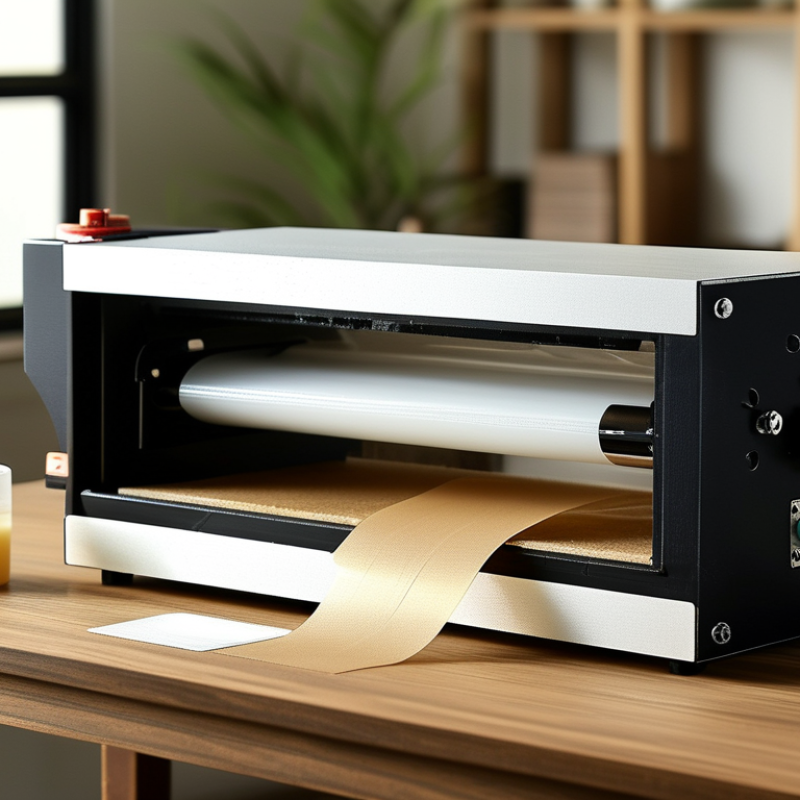
A blister pack sealing machine bonds a formed plastic cavity to a backing material. It commonly uses controlled heat, pressure, and dwell time. The product sits inside the cavity before sealing begins. A heated plate or roller presses the layers together. This creates a closed package with a visible product area.
In practical production, the machine usually includes a feeding station, sealing tool, temperature controller, and discharge system. Some models also use sensors to check material position and sealing pressure. Operators must match the machine with the package material. PVC, PET, aluminum foil, and coated paper can require different temperatures.
Excessive heat may deform the cavity or damage the backing layer. Insufficient pressure can leave weak edges. Small errors matter.
When choosing equipment, examine the package size, required output, and sealing area. Ask whether tool changes are simple and repeatable. A reliable machine should maintain stable temperature during long production runs. It should also allow clear access for cleaning and inspection.
In my experience, speed is often overvalued. A fast cycle is useless when seals fail inspection. Not every package needs maximum automation. Manual loading may suit short production runs, although it can increase operator variation. I would test actual materials before purchasing. Samples reveal problems that brochures often hide. Calibration records, safety guards, and accessible controls also deserve careful attention.
Before choosing a blister pack sealing machine, define the product and packaging requirements. Specify the blister material, lidding foil, cavity depth, pack dimensions, and required seal strength. These details determine heating control, tooling design, and machine compatibility. A practical trial should test real materials, not only laboratory samples.
Capacity also needs a clear number. Record packs per minute, daily operating hours, changeover frequency, and acceptable scrap rates. Smithers’ The Future of Global Packaging to 2028 projects the global packaging market will reach about US$1.38 trillion by 2028. That growth increases pressure for flexible, efficient equipment. Still, higher speed is not always better. A machine running too fast may create weak seals, wrinkles, or product damage.
Define inspection and documentation before comparing quotations. Decide whether you need seal-temperature records, vision inspection, batch traceability, or automatic rejection. For pharmaceutical applications, consider ISO 15378 quality expectations and relevant validation procedures. For healthcare packs, sealing consistency deserves special attention. One missed defect matters. Think about cleaning access, operator safety, spare parts, and future format changes. I have seen projects focus on output first, then discover that a simple tooling change takes hours. That assumption deserves a second look.
Choosing a blister pack sealing machine starts with the sealing method, not the machine price. Heat sealing uses controlled temperature, pressure, and dwell time to bond coated lidding material. It suits many standard blister structures and offers consistent seals when settings remain stable. Cold sealing needs pressure instead of heat, making it useful for heat-sensitive contents. However, it requires compatible coatings and can demand higher forming pressure. Ultrasonic sealing may reduce thermal exposure, but material compatibility and tooling costs require careful testing.
Machine type changes production control. A platen machine seals individual cards with a fixed tool. It offers simple operation and accurate pressure control for small or changing batches. Rotary machines run continuously and support higher output, but they need precise timing and more complex maintenance. Semi-automatic equipment gives operators flexibility. Fully automatic lines reduce manual handling but require reliable feeding, inspection, and changeover systems. A fast machine is not always the better choice.
During evaluation, check sealing temperature range, pressure adjustment, dwell time, tool replacement, and cleaning access. Ask for sample trials using your actual cavity material and lidding film. Inspect peel strength, seal width, wrinkles, and edge channels. A calibrated temperature sensor and documented test records improve reliability. I have seen teams focus on cycle speed and overlook changeover waste. That assumption can become expensive. Small trials often expose it early.
| Comparison Dimension | Heat Sealing | Ultrasonic Sealing | Cold or Pressure-Sensitive Sealing |
|---|---|---|---|
| Basic Principle | Heat activates a coating or thermoplastic layer so the blister web bonds to the lidding material under controlled pressure. | High-frequency mechanical vibration generates localized heat at the sealing interface, normally without heating the entire tooling area. | Pressure bonds a pre-coated lidding material to the blister, usually without an external heat source. |
| Typical Blister Materials | PVC, PVC/PVdC, PET, PP, aluminum-based structures, and compatible coated lidding foils. | Selected thermoplastic combinations, especially where the sealing layers respond well to ultrasonic energy. | Paperboard or foil lidding with pressure-sensitive adhesive coatings and compatible blister materials. |
| Typical Sealing Temperature | Commonly approximately 100–200 °C at the sealing tool, depending on the coating, web structure, dwell time, and pressure. | The sealing interface heats rapidly, while the tooling can remain comparatively cool; exact temperature depends on material and process settings. | Usually ambient temperature; the adhesive coating provides the bonding function when adequate pressure is applied. |
| Main Advantages | Widely applicable, well-established, easy to validate, and suitable for hermetic or high-integrity packages when properly specified. | Fast localized bonding, lower bulk heating, and potentially reduced thermal exposure for heat-sensitive components. | Low energy demand, no warm-up period, and useful for products or materials that should not be exposed to sealing heat. |
| Main Limitations | Requires thermal control, suitable coatings, and sufficient dwell time; excessive heat can deform the blister or affect the product. | Material compatibility and tooling design are critical; process development can be more specialized than conventional heat sealing. | Requires compatible adhesive-coated lidding, clean contact surfaces, and adequate application pressure; performance may vary with storage conditions. |
| Typical Use Case | Pharmaceutical, medical, consumer, and industrial blister packs requiring consistent seals and controlled package integrity. | Specialized packaging applications where rapid localized sealing or reduced overall heating is important. | Light-duty consumer packaging, promotional packs, and applications using pressure-sensitive lidding materials. |
| Process Validation | Common validation parameters include temperature, pressure, dwell time, seal strength, visual quality, and package integrity. | Validation commonly includes amplitude, energy, pressure, weld time, horn condition, seal strength, and package integrity. | Validation focuses on adhesive coverage, pressure, contact time, peel performance, aging, and resistance to environmental exposure. |
| Machine Type | Typical Output Range | Automation Level | Best Fit | Key Selection Considerations |
|---|---|---|---|---|
| Manual Tabletop Sealer | Approximately 1–10 cycles per minute, depending on operator speed and pack size. | Manual loading and unloading; operator-controlled sealing cycle. | Samples, development work, clinical batches, and low-volume production. | Low purchase cost and flexible tooling, but output and seal consistency depend heavily on the operator. |
| Semi-Automatic Flat-Plate Machine | Approximately 5–25 cycles per minute; actual output depends on cavities and loading time. | Manual product loading with automated or controlled sealing and indexing. | Small to medium production runs and frequent product changeovers. | Offers better repeatability than manual equipment while retaining relatively simple operation and maintenance. |
| Automatic Flat-Plate Machine | Approximately 15–60 cycles per minute, depending on tooling layout, feeding, and inspection requirements. | Automatic indexing and sealing; product feeding may be manual, semi-automatic, or fully automatic. | Medium-volume production with moderate changeover requirements. | Good balance between throughput, tooling flexibility, process control, and investment. |
| Rotary Blister Sealer | Approximately 30–120 cycles per minute; production output depends on stations, cavities, and product handling. | Continuous or indexed rotary operation with integrated feeding and sealing stations. | High-volume production of stable, repeatable products. | High productivity and compact flow, but tooling, setup, cleaning, and changeover can be more complex. |
| Inline Form-Fill-Seal System | Approximately 20–100 cycles per minute, depending on forming depth, product feeding, sealing area, and inspection. | Integrated forming, feeding, sealing, cutting, coding, and optional inspection. | Large-scale production requiring a continuous packaging line. | High automation and traceability, but requires greater floor space, integration planning, and capital investment. |
| Change-Parts or Modular System | Varies by base machine; practical output is often lower when frequent format changes are required. | Configurable tooling and quick-change components for multiple pack formats. | Contract packaging, multiple stock-keeping units, and products with different blister dimensions. | Evaluate changeover time, tool storage, adjustment repeatability, and the cost of additional format parts. |
Output figures are typical planning ranges rather than guaranteed machine ratings. Actual performance depends on pack dimensions, number of cavities, material structure, sealing area, cycle time, feeding method, and quality-control requirements.
How to Choose a Blister Pack Sealing Machine?
Sealing quality depends on controlled heat, pressure, and dwell time. These settings must match the lidding foil, forming film, and product structure. A 2°C temperature drift can create weak seals or distorted cavities. The exact limit varies by material, so supplier trials remain essential.
Look for independent temperature zones and closed-loop controllers. They correct heat changes during long production runs. Adjustable sealing pressure also matters. Uneven pressure can leave shiny edges on one side and open channels on the other. Cooling time is often overlooked. A stable cooling plate helps prevent warped packs and seal shrinkage. FDA process-validation guidance describes three validation stages, including continued process verification. The machine should support recorded evidence, not only operator judgment.
PMMI’s 2024 Pharmaceutical and Medical Device Packaging Trends report identifies automation, faster changeovers, and traceability as important investment priorities. Select recipe storage, access control, alarm history, and data export. Vision inspection can detect missing tablets, damaged cavities, and misaligned foil before release. ISO 11607-1 also emphasizes demonstrated package integrity, not attractive appearance alone. In practice, I would test peel strength, dye penetration, and leak resistance across the full operating range. A perfect result from one sample is not enough. I have seen teams focus too much on speed. That can be a costly mistake. A machine running 180 cycles per minute is inefficient if rework, stoppages, and rejected seals increase.
Technical Features That Affect Sealing Quality and Efficiency
Temperature stability, sealing pressure consistency, dwell-time control, cooling performance, and changeover efficiency are key selection criteria. The control-priority scores shown here are engineering-weighted indicators based on their typical influence on seal integrity, reject reduction, and production efficiency. Actual settings should be validated for the specific forming material, lidding foil, adhesive layer, and package design.
Safety should be judged on the factory floor, not only through a specification sheet. Check whether guards cover heated areas and moving sealing plates. Interlocked doors should stop operation immediately when opened. Test the emergency stop during a supervised demonstration. It should respond without hesitation. Operators also need clear temperature displays, stable controls, and simple loading procedures. A machine that forces workers to reach across hot tooling creates unnecessary risk, even when its output looks impressive.
Maintenance affects both safety and production reliability. Look for accessible sealing tools, removable covers, and cleaning points without hidden corners. Ask how often heating elements, sensors, and pressure components require inspection. A maintenance log should record temperatures, faults, replacements, and calibration checks. Small details matter. For example, poorly designed cable routes can collect dust or delay repairs. I would not trust a supplier’s uptime claim without observing a real changeover and fault-recovery process.
Total cost extends far beyond the purchase invoice. Calculate energy use, tooling replacement, packaging-film waste, labor, training, and service visits over several years. Compare the cost of a ten-minute changeover with a forty-minute one. That difference becomes expensive across daily production. Request realistic figures from your own materials, not ideal laboratory samples. A cheaper machine may consume more film or require frequent adjustments. I have seen evaluations focus too heavily on price, then overlook downtime, operator fatigue, and spare-part availability. That is an easy mistake to repeat.
Call 815-281-5297 now to speak directly with an Algus expert or fill out the form below.