Why is Machine Vision Inspection Important for Quality Control?
In today's competitive manufacturing landscape, quality control is paramount. "Machine Vision Inspection" plays a crucial role in ensuring that products meet stringent standards. According to Dr. Anna Cheng, a leading expert in the field, "Machine Vision systems can identify defects that human inspectors often miss." This highlights the effectiveness of automated systems in quality assurance processes.
Manufacturers face ongoing challenges with defects and inconsistencies. The implementation of Machine Vision Inspection aids in overcoming these hurdles. These systems utilize advanced algorithms and cameras to analyze products at high speed. However, there are still limitations; not all defects are easily detectable. Sometimes, environmental factors can affect inspection accuracy.
It's essential to recognize the necessity of continuous improvement in Machine Vision Inspection technologies. While these systems enhance efficiency, they are not infallible. Regular updates and training ensure inspectors can address the complexities of various manufacturing processes. Ultimately, the growth of Machine Vision Inspection will shape the future of quality control and product reliability.
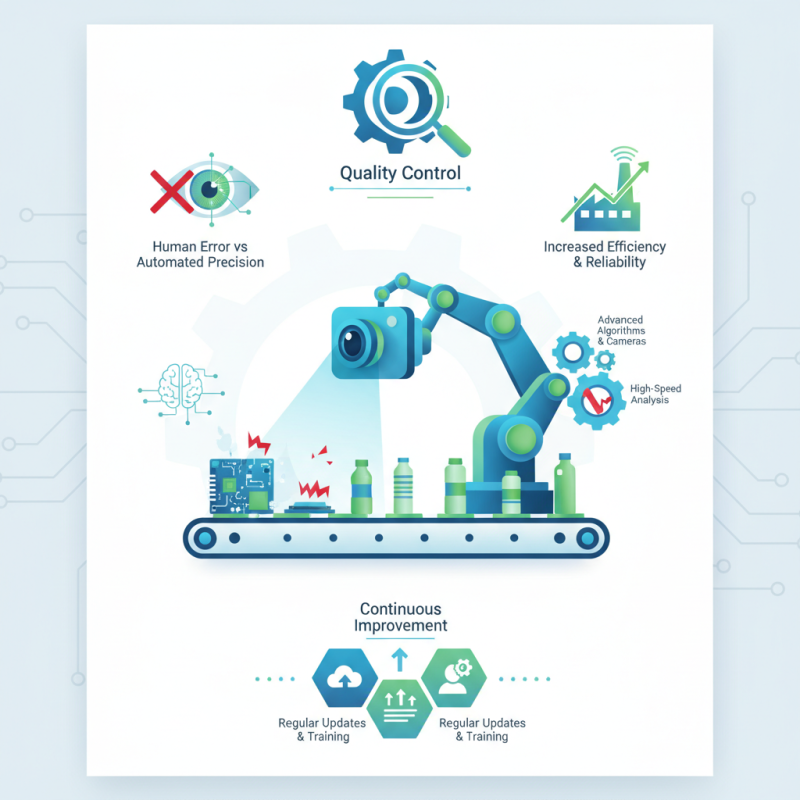
The Role of Machine Vision Inspection in Enhancing Product Quality
Machine vision inspection plays a vital role in enhancing product quality across various industries. By utilizing advanced cameras and algorithms, it automatically detects defects. This technology can identify misalignments, surface scratches, or color inconsistencies that the human eye might miss. The precision of machine vision systems improves consistency, ensuring that products meet strict quality standards.
Incorporating machine vision inspection can reduce waste and increase efficiency. However, not all implemented systems are flawless. Some may require recalibration, leading to temporary downtime. Additionally, the initial cost of setup can be a deterrent for smaller businesses. It’s essential to continuously monitor performance and adjust parameters as needed. A thorough understanding of both capabilities and limitations is crucial for success.
Quality control is not just about finding defects; it’s about consistent improvement. Machine vision inspection helps in recognizing trends over time, revealing recurring issues. Addressing these patterns can lead to collaborative solutions. Ultimately, it empowers teams to refine processes, pushing the boundaries of product excellence. In this journey, reflection and adaptation are key.
Key Technologies Used in Machine Vision for Quality Control
Machine vision inspection plays a crucial role in maintaining quality control across various industries. The technology utilizes cameras and advanced algorithms to analyze products during manufacturing. According to a report by Research and Markets, the machine vision market is expected to reach $20.9 billion by 2026. This surge highlights its importance in ensuring product consistency.
Key technologies in machine vision include image processing, 3D scanning, and deep learning. Image processing allows for quick detection of defects, ensuring only quality products reach consumers. For example, a high-resolution camera can identify scratches on surfaces that are invisible to the naked eye. 3D scanning generates accurate models of objects, which helps in assessing dimensional tolerances. Deep learning enhances the system's ability to learn from flaws and improve its accuracy over time.
Tips: Implement a regular maintenance schedule for your machine vision systems. Check the calibration of cameras frequently. Small discrepancies can lead to significant quality issues. Additionally, invest in employee training. Even the best technology can fail without proper usage. Always invite feedback from your operators. They can provide insights on system performance, highlighting potential areas for improvement.
Statistical Benefits of Machine Vision in Reducing Manufacturing Errors
Machine vision inspection plays a critical role in quality control in manufacturing. Studies show that implementing machine vision can reduce errors by up to 30%. This improvement stems from the technology's ability to detect flaws that the human eye might miss. For instance, a surface defect on an automotive part could go unnoticed during manual inspection, potentially leading to costly recalls.
Additionally, machine vision systems enhance statistical process control. According to industry research, companies that integrate these systems can reduce variance in product quality by about 25%. Processes become more predictable as these systems continuously monitor production in real time. However, it’s essential to recognize that not all implementations are perfect. Some businesses struggle with adjusting to automated systems. Worker resistance and technical glitches can hinder efficiency.
Moreover, the initial investment in machine vision might deter some manufacturers. They worry about costs and stability. Yet, the potential return on investment is significant. Reducing defects leads to lower scrap rates and improved customer satisfaction. Even slight improvements can yield substantial financial benefits over time. Addressing the challenges of machine vision is equally as important as recognizing its benefits.
Impact of Machine Vision Inspection on Manufacturing Error Reduction
Industry Adoption Rates of Machine Vision Inspection Systems
The adoption of machine vision inspection systems is on the rise across various industries. According to a recent report by MarketsandMarkets, the global machine vision market was valued at approximately $10.4 billion in 2022 and is projected to reach $16.6 billion by 2027. This growth is driven by increased demand for automation and the need for high-quality products.
In sectors like manufacturing and automotive, the integration of machine vision systems improves accuracy and consistency. For example, a study by the Association for Advancing Automation indicated that companies using these systems report a 30% reduction in defect rates. However, challenges remain. Implementing machine vision requires significant upfront investment and expertise. Many smaller companies struggle with the complexity of these systems.
As industries continue to evolve, the need for specialized technical skills is becoming apparent. Not all personnel are trained to operate advanced machine vision technology. This gap can lead to underutilization of the systems. Additionally, ongoing maintenance and updates can be resource-intensive. Companies must strike a balance between investment and operational efficiency to maximize the benefits of machine vision inspection.
Case Studies: Successful Implementation of Machine Vision in Quality Control
Machine vision inspection has transformed quality control across various industries. Many companies have adopted this technology to enhance accuracy and speed. A report from the International Society for Automation shows that machine vision can improve defect detection rates by as much as 90%. One interesting case is an automotive manufacturer that integrated machine vision systems in their assembly lines. They reduced inspection times by 50% and lowered defect rates significantly.
In the food industry, a processor implemented machine vision to ensure packaging integrity. They chronicled a 30% decrease in packaging defects, which led to increased consumer trust. However, some challenges remain. The initial investment can be high, and the integration into existing workflows may require adjustments. A careful assessment of needs is essential.
Tips: Conduct thorough training for staff on machine vision use. Regularly review the system's performance metrics. Lastly, stay updated on technological advancements to maintain competitive edge. These practices can lead to an even higher quality assurance standard.
