Maximize Quality with Offset Printing Inspection Techniques?
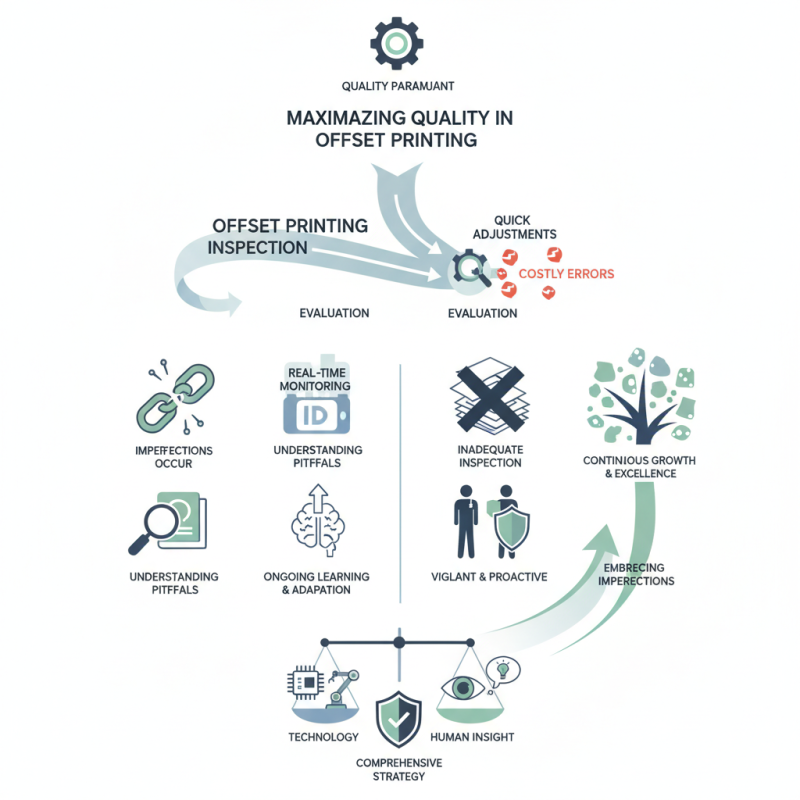
In the world of offset printing, quality is paramount. Offset Printing Inspection techniques are crucial for ensuring that every print meets high standards. These methods help identify potential issues that may arise during the printing process. Real-time monitoring and evaluation allow for quick adjustments, preventing costly errors.
While advanced inspection techniques can elevate print quality, imperfections may still occur. Even the most experienced printers face challenges in achieving perfection. Understanding common pitfalls is vital for improvement. A commitment to ongoing learning and adaptation is necessary for success.
Inadequate inspection can lead to significant quality issues. Printers must remain vigilant and proactive. Utilizing a mix of technology and human insight creates a comprehensive inspection strategy. This balance can lead to remarkable outcomes in offset printing quality. Embracing imperfections as learning opportunities can foster continuous growth and excellence in the industry.
Understanding Offset Printing and Its Importance in Quality Control
Offset printing plays a crucial role in the world of print production. This method is favored for its ability to produce high-quality images with precise color accuracy. However, maintaining that quality requires rigorous inspection techniques throughout the printing process. Achieving consistent results is essential, yet challenges often arise during production.
Inspection techniques for offset printing include visual inspections and the use of sophisticated measurement tools. Understanding color management and the correct calibration of equipment can significantly enhance print quality. Operators need to check color consistency frequently. Even minor deviations can lead to major discrepancies in the final print. Frequent review can ensure that each printed piece meets the expected standards.
Despite advancements, certain imperfections may still occur. Issues like ink smudging or misalignment remain common in large runs. Reflecting on these challenges is vital. Each flaw presents an opportunity to improve processes. By embracing a mindset of continuous improvement, printers can optimize their techniques, leading to better outcomes. Quality in offset printing is not just about technology; it’s about the commitment to excellence.
Maximize Quality with Offset Printing Inspection Techniques
| Inspection Technique | Purpose | Frequency | Typical Findings |
| Visual Inspection | Identify obvious defects like color shifts and print misalignment | Every run | Color inconsistencies, ink smudging |
| Color Density Measurement | Ensure color accuracy and consistency | Hourly | Variations in ink density |
| Print Test Strips | Monitor print quality consistently | Per run | Deviations in color balance |
| Calibration Checks | Ensure machines are operating within required specifications | Weekly | Inconsistent print quality |
| Paper Quality Inspection | Assess the characteristics of the substrate | Before each job | Printability issues due to paper defects |
Key Inspection Techniques Used in Offset Printing Processes
In offset printing, quality control is essential for achieving superior results. Key inspection techniques play a crucial role in maintaining high standards throughout the printing process. Regular monitoring of ink density is vital. Studies indicate that discrepancies as small as 1-2% in ink density can impact color accuracy significantly. This highlights the need for precise measurement tools to avoid costly reprints.
Another important technique is the use of alignment checks. Misalignment can lead to blurriness and reduced quality. Research from industry reports shows that incorrect registration can result in up to a 10% decline in print quality. Employing automated systems for real-time alignment correction can mitigate these issues. Investing in technology not only enhances quality but also boosts productivity.
Furthermore, fold and cut inspections are critical. Manual checks often miss defects that automated systems can catch. An estimated 25% of print defects occur during finishing processes. Utilizing cameras and sensors can identify irregularities that need attention. While these techniques enhance reliability, organizations must continuously assess and optimize their inspection practices for greater efficiency. Striving for perfection in offset printing is an ongoing journey.
Evaluating Print Quality: Visual vs. Instrumental Methods
In the world of offset printing, ensuring top-notch quality is a constant challenge. Evaluating print quality is often done using two primary methods: visual inspection and instrumental measurement. Visual methods rely on the expertise of the operator. They are subjective but provide immediate feedback. However, this method can sometimes overlook subtle defects that trained eyes might miss.
Instrumental methods, on the other hand, leverage advanced technology for accuracy. They use devices like spectrophotometers and densitometers. According to a recent report by the Printing Industries of America, 63% of print quality defects can be detected more reliably through instrumental means. These tools assess color consistency, density, and registration with precision. But they require operator training and calibration to be effective. Errors can creep in if misused or poorly maintained.
Finding the right balance between visual and instrumental methods is crucial. While instruments provide objective data, visual assessments often catch issues that machines can miss. Operators should feel confident in their visual skills while also employing instruments for comprehensive evaluations. Striving for a hybrid approach offers promise, yet it also calls for ongoing training and assessment. Recognizing the limitations of both methods is essential for achieving the best print quality.
Implementing Effective Quality Assurance Procedures in Offset Printing
In offset printing, quality assurance is crucial for meeting client expectations. Implementing effective procedures can significantly impact the final product. According to recent industry reports, around 30% of print defects arise from inadequate inspection techniques. As such, a systematic approach to quality checks is vital.
Regular audits and detailed inspections help in identifying issues early. For instance, a study by the Printing Industries of America revealed that enhanced inspection processes can reduce errors by up to 25%. This showcases the necessity of maintaining strict quality metrics. However, relying solely on technology isn't enough. Human oversight remains essential to catch nuances that machines may overlook.
Furthermore, training staff on quality assurance protocols is often neglected. Survey data indicates that organizations with trained personnel witness fewer quality issues. Fostering a culture that prioritizes quality can lead to greater job satisfaction and improved outcomes. Yet, many print houses struggle to sustain these principles consistently. Addressing these gaps is vital for long-term success.
Best Practices for Continuous Improvement in Offset Printing Quality
Offset printing quality is crucial for producing consistent results. Implementing effective inspection techniques can significantly enhance this quality. Regularly training staff on color management and registration accuracy is essential. Employees should be aware of common pitfalls, such as color shifts and misalignment. It is vital to create a culture of quality awareness within the team.
Utilizing tools like densitometers and spectrophotometers can help identify issues early. These instruments allow for real-time monitoring of color consistency and ink coverage. However, not all print runs are perfect. It's important to document any anomalies. This documentation can facilitate future improvements and help teams learn from mistakes.
Engaging in regular review meetings can promote ongoing dialogue about quality. Discussing recent challenges and solutions can drive engagement and innovation. Encouraging an environment where feedback is welcome can spark new ideas. Continued improvement requires collective effort, reflection, and a commitment to best practices. Each print job is a learning opportunity. Emphasizing transparency about faults can lead to better outcomes.
