Molded Fiber Packaging Tips for Sustainable Packaging Solutions?
Molded Fiber Packaging is an innovative solution for businesses looking to adopt sustainable practices. This eco-friendly material is made from recycled paper and organic fibers. As concerns about plastic pollution rise, many brands are seeking alternatives. Molded Fiber Packaging offers both functionality and environmental benefits.
Using this material can enhance product presentation while minimizing environmental impact. It is lightweight, sturdy, and biodegradable. However, not all Molded Fiber Packaging is created equal. Factors such as sourcing, manufacturing methods, and end-of-life disposal play critical roles in its sustainability. Companies must carefully consider these aspects to fully embrace eco-friendly solutions.
The transition to Molded Fiber Packaging is not without challenges. Businesses often face production costs and consumer awareness issues. Awareness around sustainability is growing, but many still rely on traditional materials. Overcoming this resistance requires strong communication and education. Evaluating the long-term benefits can lead businesses to make better decisions for the planet.
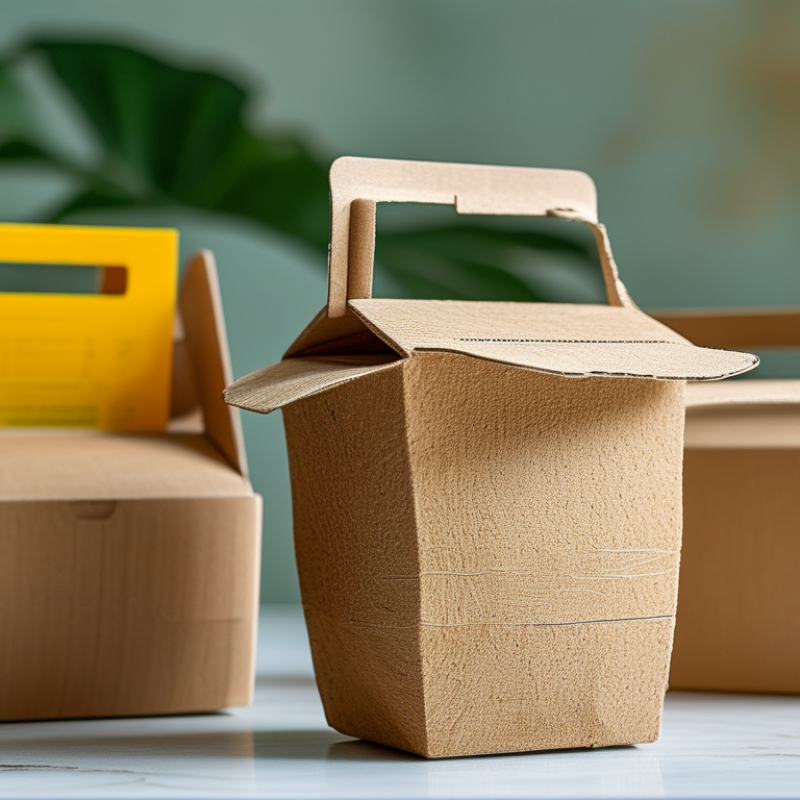
Understanding Molded Fiber Packaging: An Overview
Molded fiber packaging has emerged as a favored choice for sustainable packaging solutions. This eco-friendly alternative is made from recycled paper pulp, utilizing waste materials that would otherwise contribute to landfills. According to a report by Smithers Pira, the global molded pulp packaging market is expected to reach $2.15 billion by 2024, driven by increasing consumer demand for environmentally responsible products.
The molding process is efficient and versatile, enabling manufacturers to create custom shapes that fit various product requirements. Yet, the industry still faces challenges. While many businesses adopt molded fiber solutions, some struggle with supply chain issues and material sourcing. The reliance on high-quality recycled content can lead to variable performance, affecting user satisfaction.
Implementing molded fiber packaging can significantly reduce carbon footprints. Research shows that using recycled materials in production can cut energy consumption by up to 70%. However, it is crucial to continuously evaluate the entire lifecycle of these products. Ensuring consistent quality and sustainability remains a vital consideration as the industry evolves.
Benefits of Molded Fiber Packaging for Sustainable Practices
Molded fiber packaging offers numerous benefits that align with sustainable practices. This eco-friendly option is made from recycled paper pulp, reducing waste in landfills. According to the Paper and Packaging Board, over 65% of all fiber used in packaging is recycled. This significant reuse of materials contributes to a lower carbon footprint compared to traditional packaging solutions.
One substantial advantage of molded fiber packaging is its biodegradability. Unlike plastic, which can take hundreds of years to decompose, molded fiber breaks down naturally within months. A study by the International Journal of Life Cycle Assessment indicates that molded fiber can reduce greenhouse gas emissions by up to 30% when compared to polystyrene. This data highlights its role in advancing sustainable packaging practices.
For businesses considering sustainable options, it's crucial to evaluate the lifecycle impact of packaging choices. Conduct a materials assessment to determine the best fit for your needs. Moreover, engaging with suppliers who prioritize recycled content can enhance your sustainability efforts. Look for certification logos to ensure the products align with eco-friendly standards. These small steps can significantly enhance your packaging sustainability.
Key Materials Used in Molded Fiber Packaging Production
Molded fiber packaging offers a sustainable alternative to traditional materials. The production process primarily utilizes recycled paper and cardboard. These key materials are converted into pulp, which is then molded into shape. This method reduces waste and promotes a circular economy. However, not all fibers are created equal. The quality of the recycled content can vary greatly.
Using high-quality, post-consumer waste paper enhances the strength of molded fiber products. When mixed appropriately, it can yield effective packaging solutions. On the other hand, inconsistent sourcing can lead to varying results in durability. Manufacturers should prioritize sourcing practices to ensure reliability in their packaging.
Some challenges remain in molded fiber packaging. While the environmental benefits are significant, the initial costs can be higher. Companies may need to balance budget constraints with sustainability goals. It’s crucial to evaluate the long-term impacts versus short-term expenses to make informed decisions. This practice can enhance overall efficiency while still aligning with eco-friendly standards.
Molded Fiber Packaging Tips for Sustainable Packaging Solutions - Key Materials Used in Molded Fiber Packaging Production
| Material | Source | Sustainability Benefits | Applications |
| Recycled Paperboard | Post-consumer waste | Reduces landfill waste, low carbon footprint | Food packaging, electronics, cosmetics |
| Bamboo Fiber | Bamboo plants | Rapidly renewable resource, biodegradable | Luxury packaging, gift boxes |
| Bagasse | Sugarcane fiber | Utilizes agricultural waste, compostable | Food containers, disposable tableware |
| Molded Pulp | Waste paper, cardboard | Recyclable, reduces raw material consumption | Protective packaging, consumer goods |
| Mycelium | Mushroom roots | Biodegradable, renewable | Innovative packaging, furniture design |
Innovative Applications of Molded Fiber Packaging Across Industries
Molded fiber packaging has gained traction across various industries due to its eco-friendly nature. This material is derived from recycled paper, making it a sustainable choice. Companies increasingly utilize molded fiber for packaging fragile items, electronics, and food products. The versatility of this material allows it to be shaped into customized designs that fit specific product needs.
In the food industry, molded fiber trays are being used for fresh produce, replacing plastic alternatives. They are breathable, allowing moisture to escape while keeping products fresh. In the electronics sector, molded fiber inserts provide cushioning and protection. However, some manufacturers still struggle with production costs. Balancing quality and price remains a challenge.
Innovation is crucial for the future of molded fiber packaging. New technologies can enhance durability and aesthetics. Some companies experiment with additives to improve moisture resistance. There is room for improvement in understanding consumer preferences. As sustainability becomes a priority, more research is needed. This could lead to greater adoption and refinement of molded fiber solutions across markets.
Best Practices for Implementing Molded Fiber Solutions in Business
Molded fiber packaging is an excellent option for businesses seeking sustainability. This material is made from recycled paper and cardboard, making it eco-friendly. Implementing molded fiber solutions requires careful planning and consideration.
Start by assessing your current packaging needs. Determine which products would benefit from molded fiber packaging. It’s crucial to understand the design requirements and how they align with your brand. Engage experts, as their insights can guide you through material selection and manufacturing processes. Collaborate with suppliers who prioritize sustainability. This partnership can enhance your product’s eco-credentials.
Trial runs are important. Test the durability and practicality of molded fiber packaging in real-world scenarios. Gather feedback from customers about their experiences. It’s common to encounter challenges, such as ensuring the packaging is cost-effective. Continuous reflection on these issues can lead to better solutions. Stay flexible and adapt as needed. Embracing molded fiber is a step toward a more sustainable future, but it requires commitment and ongoing evaluation.
Molded Fiber Packaging Adoption and Benefits
