How to Optimize Your Blister Packaging Design for Better Product Protection?
In today's competitive market, effective blister packaging design is crucial for ensuring product protection and consumer satisfaction. Renowned packaging expert John Smith emphasizes, "A well-designed blister pack not only protects the product but enhances the overall customer experience." His insight highlights the importance of innovation in packaging solutions.
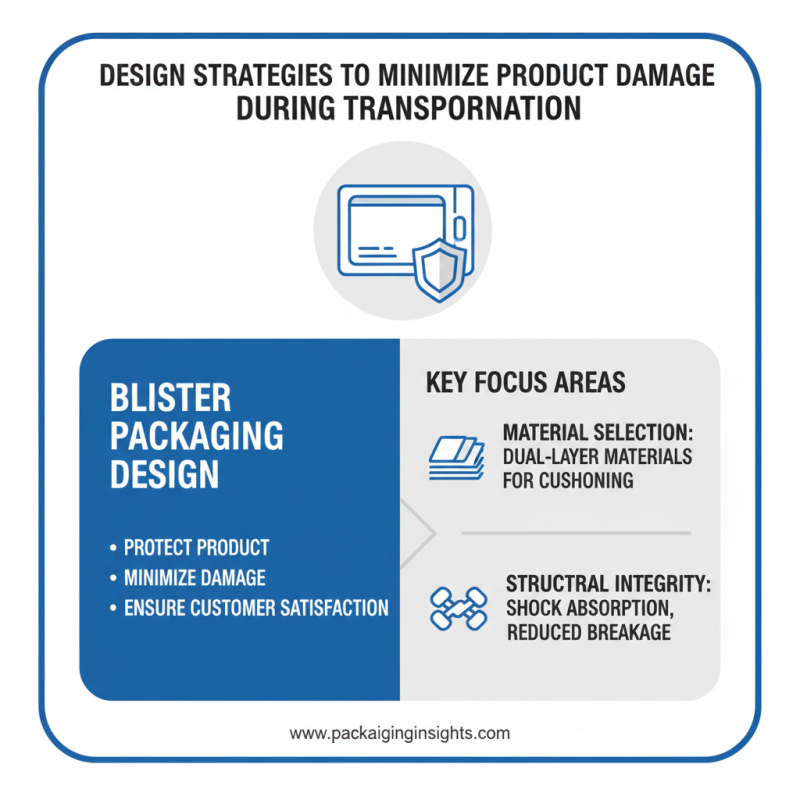
As brands aim to minimize damage during shipping and handling, optimizing blister packaging design emerges as a key factor. A design that fits the product snugly reduces movement, safeguarding it from potential harm. Additionally, sustainable materials in blister packaging can enhance brand image, appealing to eco-conscious consumers.
However, there are challenges. Companies must balance cost with quality and aesthetics. An overly complex design may confuse consumers rather than attract them. Reflecting on these aspects can lead to more effective solutions. By focusing on user experience alongside protection, businesses can truly elevate their packaging strategies.
Understanding the Importance of Blister Packaging in Product Protection
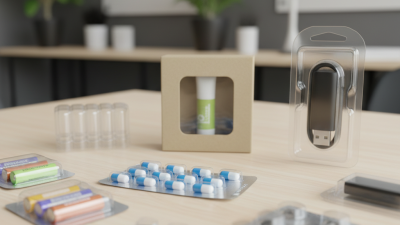
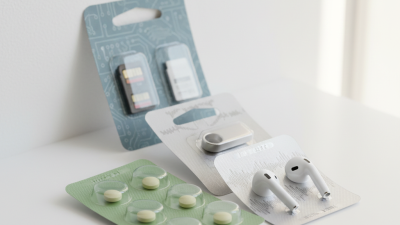
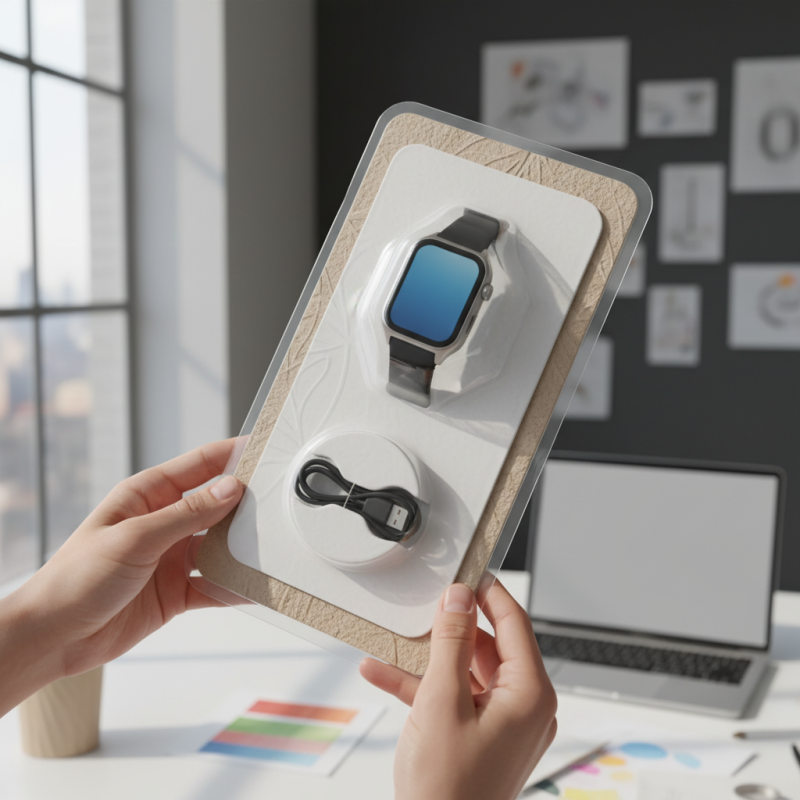
Blister packaging plays a vital role in ensuring product protection. It is designed to shield products from environmental factors. This type of packaging minimizes damage during transportation and handling. Products like pharmaceuticals and electronics benefit greatly from such protection. Users expect their products to arrive undamaged and ready for use. A well-designed blister pack provides not only physical protection but also helps in maintaining the integrity of the product.
Understanding the importance of blister packaging is essential for manufacturers. It is more than just a visual appeal; functionality is key. A flawed design can lead to user dissatisfaction. If a package is difficult to open, customers may associate that with poor quality. Additionally, inadequate packaging can weaken the product’s defense against moisture, light, or contaminants. Manufacturers must critique their designs continually. Balancing protection and usability can be challenging but critical for success in the market.
Key Materials and Their Impact on Blister Packaging Longevity
Choosing the right materials for blister packaging is essential for ensuring product longevity. Common materials include PVC, PET, and PVDC. Each has unique properties. For example, PVC offers excellent clarity but may not provide the best barrier against moisture. PET, on the other hand, is more resistant to environmental factors, making it a preferred choice for sensitive products. Understanding these materials can directly influence packaging durability.
Environmental considerations are becoming crucial in packaging design. Sustainable materials are gaining traction. However, they often come with trade-offs in terms of protection levels. Biodegradable plastics can reduce environmental impact but may lack the structural integrity needed for certain products. Balancing sustainability and functionality remains a challenge. Brands must make informed choices to ensure products remain safe while also considering their ecological footprint.
Testing is vital in this design process. Manufacturers should conduct thorough evaluations on how materials perform under different conditions. Factors such as temperature, humidity, and physical handling all take a toll. A material might seem reliable but could fail under specific stressors. Continuous improvement and adaptation are necessary. Ultimately, the goal is to create packaging that effectively safeguards the product while addressing real-world concerns.
Assessing the Role of Barrier Properties in Blister Packaging Design
When designing blister packaging, barrier properties are crucial for product integrity. Research by the Packaging Association indicates that nearly 30% of product failures relate to inadequate protection. Effective barrier materials can prevent moisture, oxygen, and light exposure. These elements are known to compromise product quality, especially in pharmaceuticals and electronics.
Polyvinyl chloride (PVC) and polyamide are commonly used materials. They provide varying levels of protection depending on the specific barrier requirements. For instance, polyamide can enhance oxygen barriers, vital for sensitive products. However, blended materials often result in complexity and potential flaws. Brands need to assess their choices carefully.
Testing is equally important. Pre-market assessments can reveal weaknesses in packaging. More than 20% of companies overlook this step, risking product damage. Evaluating materials for their barrier capabilities ensures a longer shelf life. Companies can consider conducting environmental tests to validate packaging effectiveness. This holistic approach significantly reduces losses and enhances customer satisfaction.
Implementing Testing Standards to Ensure Packaging Effectiveness
When optimizing blister packaging design, implementing testing standards is crucial for product protection. Testing can reveal potential weaknesses in packaging. It ensures that materials withstand various environmental conditions. Real-life scenarios can simulate shock, temperature changes, and humidity. These factors may impact the product's integrity.
Engaging in rigorous testing helps draw insights. Use drop tests to examine how well packaging absorbs impact. Measure the resistance of materials to puncture and tearing. Conducting these tests early can prevent costly redesigns later on. Small adjustments can make a big difference in durability.
Despite the focus on testing, many overlook its importance until issues arise. Some designs look appealing but fail to protect products effectively. Companies should not compromise on rigor while aiming for aesthetic appeal. Regularly revisiting packaging standards and testing protocols is essential. Continuous improvement fosters reliability and maintains consumer trust in the product.