How to Optimize Packaging Automation for Improved Efficiency?
In today's fast-paced production world, packaging automation plays a crucial role in maximizing operational efficiency. Businesses increasingly rely on advanced packaging technologies to streamline processes, reduce costs, and enhance productivity. Effective automation not only speeds up production but also improves consistency and quality in packaging. Yet, many companies struggle to fully capitalize on these benefits.
Optimizing packaging automation requires a deep understanding of both equipment capabilities and production demands. Determining the right balance between technology and human oversight is vital. Sometimes, firms might invest in the latest machinery without assessing compatibility with existing workflows. This oversight can lead to bottlenecks that hinder efficiency.
Insightful analysis and experience reveal that a tailored approach often yields the best results. Engaging with experts can provide fresh perspectives on integrating automation smoothly. While embracing innovation is essential, taking time for reflection on current processes is equally important. Continuous improvement in packaging automation is a journey, not a destination.
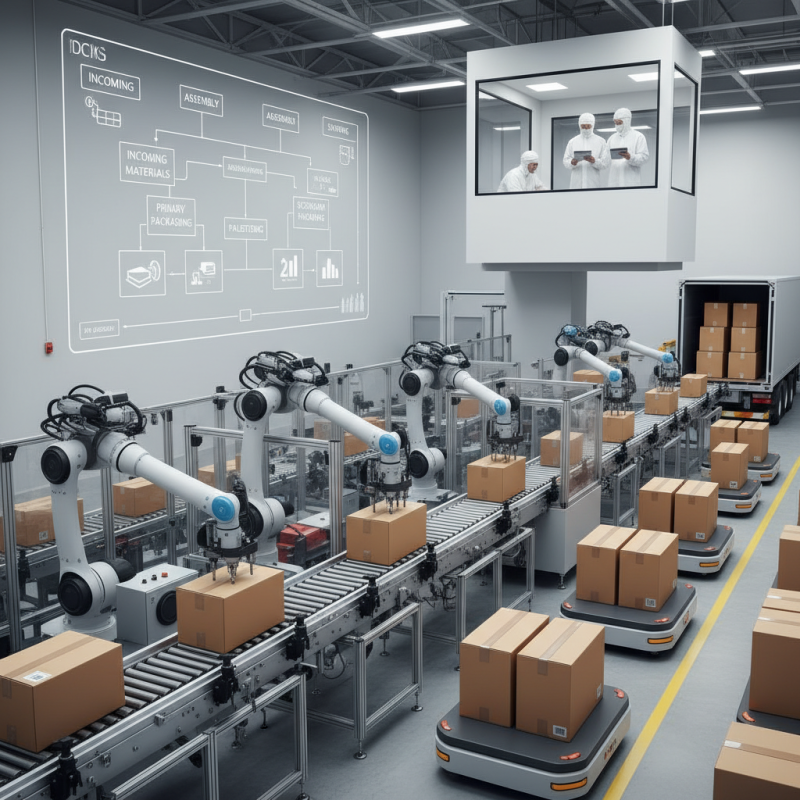
Understanding Packaging Automation and Its Importance
Packaging automation plays a crucial role in modern supply chains. Understanding its importance helps businesses streamline operations. Efficient packaging can significantly reduce labor costs and minimize errors. With a solid automation strategy, companies can achieve consistency in their packaging processes. This leads to better product quality and customer satisfaction.
The integration of automated systems often presents challenges. Many businesses may struggle with the initial setup and training of personnel. It's crucial to address these hurdles early on. Regular maintenance of automated equipment is often overlooked, leading to downtime and inefficiencies. Companies must prioritize thorough training and support for employees to ensure smooth operations.
Real-world applications demonstrate the benefits of optimized packaging automation. A well-implemented system improves throughput and reduces waste. However, not all businesses can fully leverage these technologies. Each organization has unique needs that must be evaluated carefully. Understanding these nuances is key to fully realizing the potential of packaging automation.
Packaging Automation Efficiency Analysis
Key Components of Packaging Automation Systems
Packaging automation systems play a crucial role in today’s manufacturing processes. They consist of several key components that work together to improve efficiency. Among these, the packaging machine is central. It minimizes manual labor and speeds up production lines. Look for machines that can easily adjust to different package sizes and types. Flexibility can save time and enhance productivity.
In addition to machines, control software is vital. This software manages operations and monitors performance. A user-friendly interface can simplify adjustments and tracking. It often requires updates and training. This need for ongoing learning can be a challenge for staff. Therefore, investing in comprehensive training programs is essential.
Conveyors are another critical component. They transport products seamlessly between various stages. However, poor design can lead to bottlenecks. Regular maintenance is necessary to prevent issues that slow production. Monitoring these systems helps identify weaknesses. Companies should consider their unique workflows to optimize the entire system effectively. Reflecting on these aspects can lead to significant improvements.
How to Optimize Packaging Automation for Improved Efficiency? - Key Components of Packaging Automation Systems
| Component |
Description |
Efficiency Impact |
Implementation Cost |
| Automated Packaging Machines |
Machines that automate the process of packing goods into containers. |
70% increase in packing speed. |
$50,000 |
| Robotic Arms |
Robots that can handle various packaging tasks such as sorting and placing. |
30% reduction in labor costs. |
$75,000 |
| Conveyor Systems |
Systems designed to transport goods efficiently through the packaging line. |
Reduces bottlenecks by 25%. |
$30,000 |
| Control Software |
Software for managing all automation systems and processes. |
Improves data accuracy by 40%. |
$20,000 |
| Vision Systems |
Systems using cameras to inspect packaging for quality control. |
Enhances quality assurance by 50%. |
$15,000 |
Steps to Assess Current Packaging Processes for Optimization
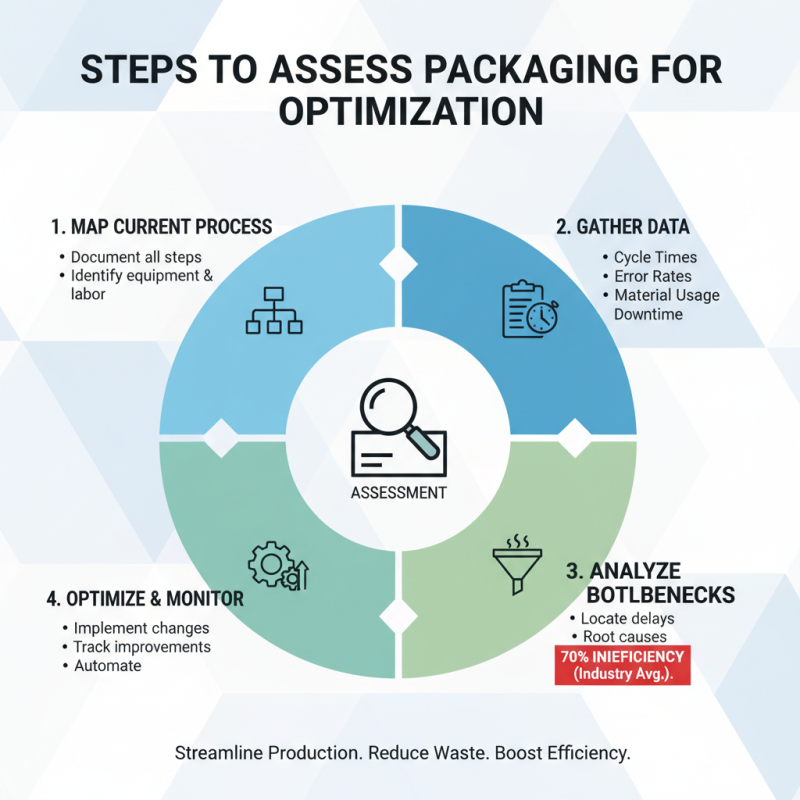
To optimize packaging automation effectively, a thorough assessment of current processes is essential. Industry reports indicate that approximately 70% of companies experience inefficiencies in their packaging operations. Identifying specific bottlenecks can help streamline production. For example, monitoring cycle times and error rates will uncover areas needing improvement.
Analyzing packaging workflows should involve direct observation. Collect data on speed, accuracy, and labor costs. A study from the Packaging Automation Association suggests that companies can reduce labor costs by up to 30% by automating repetitive tasks. It’s crucial to recognize where automation can replace manual handling without sacrificing quality. Engaging employees in this assessment often reveals insights that data alone might miss.
Regular audits are necessary. Aim to conduct these assessments quarterly, as processes can naturally evolve. Observation might show that some machines operate below their potential. Reflection on past performance is vital. Often, companies overlook minor daily inefficiencies that compound over time. Addressing these details can lead to significant gains in overall efficiency.
Techniques for Enhancing Efficiency in Packaging Automation
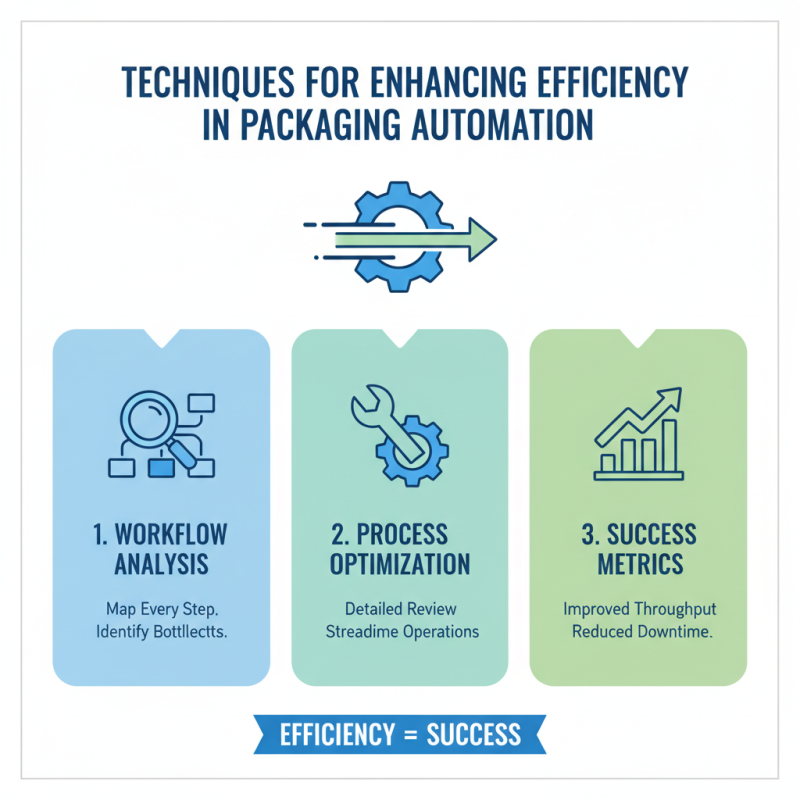
In today's fast-paced industrial environment, optimizing packaging automation is crucial. Efficiency becomes the placeholder for success. One technique is to conduct a thorough workflow analysis. Map out every step in the packaging line. Identify bottlenecks that slow down processes. A detailed review can spotlight areas needing improvement, leading to smoother operations.
Another effective method is embracing adaptive technology. Machines equipped with AI can adjust to different packaging sizes on the fly. Investing in such technology may seem costly at first. However, it can drastically reduce labor costs and errors in the long run. Also, training staff on new systems often reveals gaps in current processes.
Regular maintenance is also essential. It keeps machines running at peak efficiency. Neglecting this aspect can lead to unexpected downtimes. These can hurt productivity. Companies should consider scheduling maintenance checks frequently, not just when machines fail. This practice reflects a commitment to operational excellence and can prevent larger issues down the line.
Monitoring and Evaluating the Performance of Automation Solutions
Monitoring and evaluating the performance of automation solutions
is crucial for optimizing packaging efficiency. Regular assessments help identify bottlenecks in the production line. They can reveal areas needing improvement. Key performance indicators (KPIs) like cycle time and error rates are essential metrics to track. Anomalies in these metrics often signal underlying issues.
Investing in real-time data analytics can enhance performance evaluations. This technology allows for immediate feedback and adjustments. When data is collected continuously, trends become clearer. Frequent monitoring can reveal repetitive failures that may otherwise go unnoticed. This reflection on the data can lead to more informed decision-making.
However, the process is not without challenges. Data overload can create confusion rather than clarity. Teams may struggle to focus on what truly matters. Balancing thoroughness with practicality is vital. Additionally, human error in data entry can skew results. Continuous training and awareness programs can mitigate these risks. It is essential to foster a culture that values accuracy and responsiveness to changes in the data.