Top 10 Packaging Machinery for Efficient Production Solutions?
In today's fast-paced manufacturing environment, investing in efficient packaging machinery is crucial. According to a report by MarketsandMarkets, the global packaging machinery market is projected to reach $54.64 billion by 2026, with an annual growth rate of 3.7%. This growth highlights the increasing reliance on advanced packaging solutions to enhance productivity and reduce operational costs.
The right packaging machinery not only boosts efficiency but also minimizes waste. A well-optimized line can save companies thousands, if not millions, in the long run. However, selecting the best machinery poses a challenge. Many businesses struggle to identify equipment that aligns with their specific production needs. This often leads to underutilized resources or suboptimal performance, requiring further investment down the road.
Understanding the latest trends in packaging machinery is essential. Factors like automation, sustainability, and technology integration are reshaping the landscape. Companies must navigate these changes thoughtfully. Balancing innovation with practical implementation remains a key challenge for industry leaders. Making informed choices in this area can set businesses apart in competitive markets.
Overview of Packaging Machinery in Modern Production
In modern production, packaging machinery plays a pivotal role in enhancing efficiency and ensuring product integrity.
According to industry reports, the packaging machinery market is expected to reach approximately $50 billion by 2025,
growing at a CAGR of 5.5%. This growth is largely driven by advancements in technology and an increasing demand for automation.
Packaging solutions must adapt to different materials and products, leading to innovations in machinery design and functionality.
Operators should remain aware of potential challenges. For instance, integrating new machinery can disrupt existing workflows.
Equipment such as automated filling machines or blisters may require retraining staff. The goal is to enhance productivity
without causing delays. It's important for companies to evaluate the return on investment of such innovations.
Selecting the right machinery could mean balancing initial costs with long-term benefits, an often-overlooked aspect.
Choosing the right packaging solution is critical. Factors like speed, flexibility, and ease of maintenance can significantly impact production rates.
Many reports highlight the importance of adaptability in machinery to meet changing market demands. Investing in modular machinery,
which allows for quick upgrades, can be a game-changer. A careful assessment can lead to improved operational efficiency and
productivity in the long run.
Key Features of Effective Packaging Equipment
Efficient packaging machinery is vital for modern production. Key features make these machines effective in various settings. One important factor is speed. High-speed machines can significantly increase output. Operators must balance speed with quality to avoid product damage. The choice of materials is also critical. Robust materials enhance durability but can increase costs.
Automation stands out in packaging equipment. Automated systems reduce labor costs and improve consistency. However, technology can fail. Regular maintenance is essential to ensure reliable operation. User-friendly interfaces help operators navigate complex systems. Training is necessary but can be overlooked.
Flexibility is another key aspect. Machines must adapt to different product sizes and types. This adaptability can enhance efficiency but may require adjustments. Sensory technology provides real-time feedback. That feedback can help operators make immediate adjustments. Yet, reliance on technology can lead to complacency. Balancing human oversight with automation is crucial for optimal performance.
Top 10 Types of Packaging Machinery and Their Applications
When it comes to packaging machinery, understanding the different types is crucial. The right solution can significantly enhance production efficiency. There are several key types to consider.
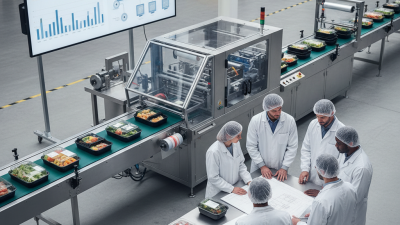
Form-fill-seal machines are popular for their versatility. They create packaging by forming films into bags, filling them with products, and sealing them in one process. This greatly reduces handling times. In the food industry, these machines ensure products stay fresh.
Labeling machines automate the application of labels to products or packages. This can improve accuracy and speed. Some machines offer flexibility for various label shapes and sizes. Consider how your product’s branding will benefit from precise labeling.
Packaging conveyors are essential for moving items through different stages of production. They can be customized for various products, ensuring easy transitions. However, maintenance is crucial to avoid downtime.
Thinking about packaging machinery involves more than just selection. Every type has unique strengths and weaknesses. Reflecting on which machinery works best for your production line can lead to better efficiency.
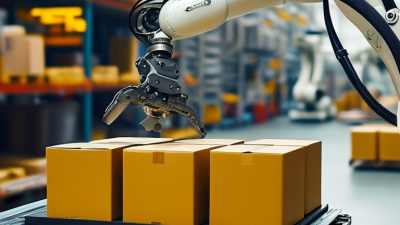
Investing in advanced technologies like robotics can also streamline processes. Robots can handle complex tasks, often surpassing human capabilities. Evaluate the cost versus the potential improvements in your workflow.
Always keep in mind that sometimes, machinery needs adjustments. Over time, wear and tear can affect performance. Regularly review your machinery’s effectiveness and be open to upgrades or replacements.
Comparative Analysis of Leading Packaging Machinery Brands
In the realm of packaging machinery, efficiency and reliability are paramount. A comparative analysis reveals that the best brands excel in several key areas: user-friendliness, speed, and adaptability. Innovative designs facilitate easier operation, reducing downtime during production. This allows businesses to keep pace with growing consumer demands.
One notable trend is the integration of technology. Machines equipped with smart sensors and automated controls can significantly streamline packaging processes. Companies need to invest in training for their staff. Without proper knowledge, even the best machinery can underperform.
When choosing packaging machinery, consider your specific production needs. Evaluate factors like product type, volume, and shelf life. Not all machines are suited for every application, leading to potential inefficiencies. Reflecting on these considerations will guide better purchasing decisions.
Future Trends in Packaging Technology and Automation
The future of packaging technology and automation is evolving rapidly. Industry reports predict that by 2025, the global packaging automation market could reach approximately $80 billion. This growth represents a significant shift towards smarter and more efficient operations. Companies are increasingly investing in advanced robotics and artificial intelligence to streamline processes.
Emerging trends show a strong inclination towards sustainability as well. Research indicates that 70% of consumers prefer eco-friendly packaging. Businesses are responding by adopting biodegradable materials and innovative designs that reduce waste. However, the transition still faces challenges. Not all companies can afford the upfront costs of modern machinery, leading to slower adoption rates.
A notable trend is the integration of Internet of Things (IoT) technology in packaging lines. IoT enables real-time monitoring and enhances supply chain efficiencies. Studies reveal that IoT implementation can reduce operational costs by up to 30%. While the advantages are clear, companies must address data security concerns associated with increased connectivity. Balancing innovation with security measures remains a crucial reflection area for many in the industry.
Top 10 Packaging Machinery for Efficient Production Solutions
This chart displays the efficiency ratings of the top 10 packaging machinery solutions, highlighting their performance in the production process. Enhanced efficiency through automation is essential for modern packaging technology trends.