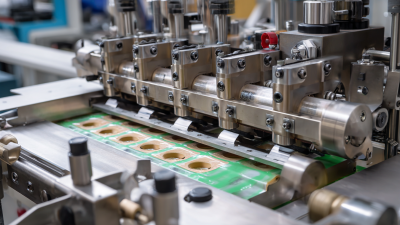
Choosing a China top manual blister sealing machine supplier requires more than comparing prices. Buyers need evidence of stable sealing quality, practical operator controls, dependable heating systems, and responsive after-sales support. A machine should produce clean, even seals around each blister cavity. Small defects matter. They can waste cards, films, and production time.
Grand View Research estimated the global blister packaging market at approximately USD 27 billion in 2023, with continued growth expected through 2030. Mordor Intelligence also identifies pharmaceutical and consumer-goods packaging as important demand sectors. However, these reports measure blister packaging broadly. They do not isolate the manual blister sealing machine segment. That gap deserves attention. Supplier claims should not replace factory testing.
Jorge Izquierdo, PMMI’s vice president of market development, has repeatedly emphasized an important principle: “Automation must fit the application, not the other way around.” His point applies to manual equipment too. The right machine should match batch size, material structure, sealing temperature, operator skill, and available workspace.
This guide examines Chinese suppliers through a practical E-E-A-T lens. It considers manufacturing experience, technical documentation, material compatibility, inspection records, and customer support. Product photos are not enough. Ask for sample seals. Request measurable specifications. Check whether replacement heaters, controllers, and molds are available.
A low purchase price may look attractive. It can become expensive after repeated adjustments. That is an uncomfortable possibility, but an important one. A reliable China supplier should explain limitations honestly, not promise perfect results for every blister format.
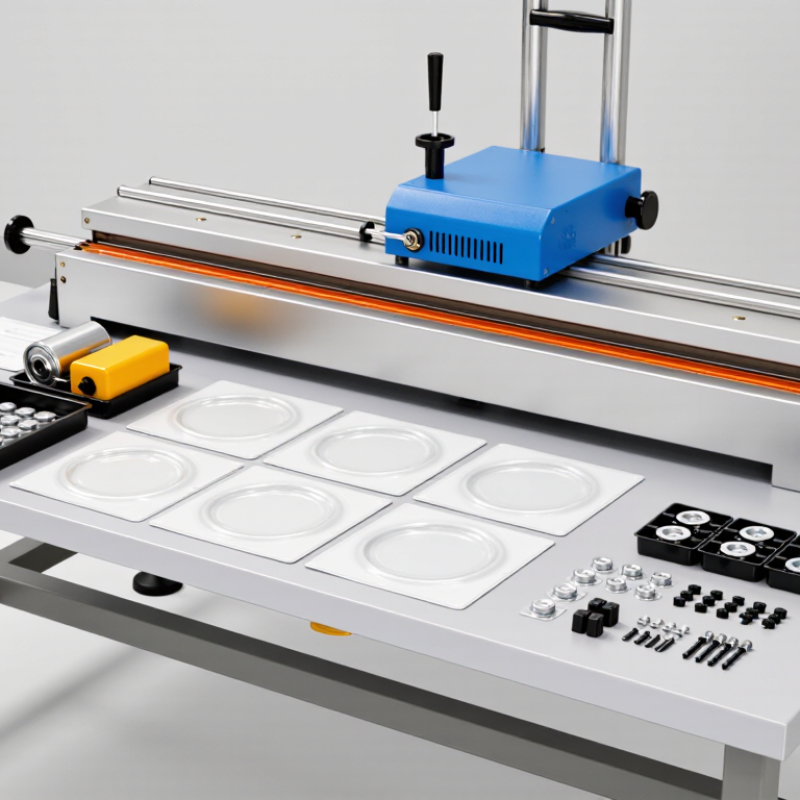
A manual blister sealing machine is a compact device that bonds a plastic blister to a printed card or compatible backing material. An operator places the product, blister, and card inside a shaped mold. The operator then closes the heating plate and applies pressure through a lever or hand mechanism. Heat softens the sealing layer, while pressure creates a clean, secure bond.
These machines suit samples, short production runs, workshops, and products with frequent size changes. Their main parts include a heated plate, sealing mold, temperature controller, timer, and pressure handle. Correct results depend on several details. Material thickness, sealing temperature, heating time, and pressure must match. Too much heat may deform the blister. Too little pressure can leave weak edges. The process is simple, but not foolproof. A practical trial is still necessary.
Tips: Check the seal around all edges, not only the center. Test several samples before regular production. Keep the mold clean and inspect the heating surface regularly. Ask suppliers for material compatibility data, sample testing, spare-part availability, and electrical safety documentation. A low purchase price can hide poor temperature stability or difficult mold replacement. That assumption can be costly. For buyers comparing manual blister sealing machine suppliers in China, clear specifications and recorded test results provide stronger evidence than attractive photos.
A manual blister sealing machine joins a formed plastic blister to a printed card or foil-backed material. The operator places the blister and backing into a shaped sealing mold.
Alignment matters. Even a small offset can leave an open edge or uneven appearance.
When the handle is pressed, the upper platen moves downward. A heated sealing plate softens the coating on the backing material. Pressure then bonds the blister flange to that softened layer.
The operator keeps the mold closed for a measured dwell time. Temperature, pressure, and dwell time must match the materials being sealed.
Too much heat may warp the blister. Too little pressure can create weak corners.
After releasing the handle, the sealed pack cools briefly before removal. Experienced operators inspect the perimeter, corners, and card surface under good lighting.
A simple peel check can reveal poor bonding, though it should follow the agreed quality procedure. Manual machines offer direct control and low setup complexity, making them practical for short production runs and sampling work.
However, results can vary with operator technique. I have found that rushing the handle movement often causes inconsistent seals.
Regular temperature checks and clean mold surfaces improve repeatability. The process looks simple, but small adjustments still require careful observation.
China’s leading manual blister sealing machines combine compact frames, adjustable temperature controls, and simple operating procedures. In practical factory trials, operators value clear digital displays and stable pressure more than decorative features. A well-designed sealing plate should heat evenly across every cavity. It should also cool quickly after production.
PMMI’s 2023 Packaging Machinery Shipments Report valued U.S. packaging machinery shipments at approximately 10.2 billion dollars in 2022. This figure shows strong equipment demand, but manual systems still suit small batches and frequent product changes. Smithers’ healthcare packaging research also highlights growing requirements for secure, traceable, and consistent packaging. These machines commonly use aluminum heating plates, replaceable sealing molds, and foot-pedal or hand-lever activation. Mold alignment matters. Even a slight offset can create weak seals or damaged cavities.
From my equipment evaluation experience, practical details often decide reliability. Operators need tool-free adjustments, accessible heating elements, and smooth mold replacement. Stainless steel contact surfaces simplify cleaning in controlled production areas. However, no manual machine removes every quality risk. Temperature sensors may drift, and inexperienced operators can apply uneven pressure. That weakness deserves attention. Buyers should request seal-strength tests, temperature uniformity records, and sample runs before purchasing. A supplier’s technical response matters as much as the machine’s catalog specifications.
China Top Manual Blister Sealing Machine Supplier?
How to Choose a Reliable Chinese Supplier
Choosing a Chinese supplier requires more than comparing online prices. Start by checking factory experience, production capacity, and technical documentation. A reliable supplier should explain sealing temperature, pressure, cycle time, and compatible packaging materials clearly. Ask for recent machine videos, detailed specifications, and customer references from similar industries.
Request a sample test before placing a large order. Send your actual blister cards and packaging materials. Observe the seal edge, heating consistency, cooling time, and operator safety features. Small defects often appear during repeated testing. Check whether the supplier records quality inspections for electrical parts, heating plates, and machine frames. Photos help, but a live video inspection is more useful.
Communication also reveals professional ability. The supplier should answer technical questions directly, not only discuss discounts. Confirm installation guidance, spare parts, warranty coverage, and response times in writing. A clear quotation should separate machine cost, tooling, packaging, shipping, and optional services. Be careful with unusually low prices. They may indicate thinner materials or limited support. I once considered price the main factor, but that approach created delays and extra adjustment work. A factory may appear reliable online yet provide weak after-sales service. Verify its business details, inspection process, and export experience before payment. Leave room for improvement in your evaluation, because even a well-tested machine may need adjustments for local operating conditions.
| Evaluation Dimension | Practical Benchmark for Manual Blister Sealers | Recommended Data to Request | Why It Matters | Suggested Weight |
|---|---|---|---|---|
| Machine Type | Manual or semi-manual heat-sealing equipment with operator-loaded blister cards and cavities. | Operating method, sealing process, supported blister format, and whether loading, trimming, or ejecting is manual. | Clarifies labor requirements and prevents a mismatch between the machine and the intended production process. | 8% |
| Sealing Area | Common working areas include approximately 150 × 100 mm to 400 × 300 mm. | Maximum sealing length and width, effective sealing area, tooling dimensions, and usable product height. | The sealing area must accommodate the complete blister card without edge leakage or incomplete bonding. | 12% |
| Heating Temperature | Typical adjustable heat-sealing ranges are approximately 80–250°C, depending on the material combination. | Temperature range, controller type, temperature stability, warm-up time, and independent upper/lower heating control. | Correct temperature control is essential for consistent bonding and for avoiding film distortion or scorching. | 14% |
| Cycle Time | Many manual machines operate at roughly 3–15 seconds per sealing cycle, excluding loading and unloading. | Measured cycle time using the buyer’s actual card size, material, sealing temperature, and dwell time. | Cycle time provides a more realistic capacity estimate than a supplier’s theoretical hourly output. | 12% |
| Sealing Materials | Common combinations include paperboard with PVC, PET, or APET blister material using a compatible heat-seal coating. | Approved material types, thickness range, coating requirements, sample sealing results, and peel or adhesion test method. | Material compatibility directly affects seal strength, appearance, reject rate, and operating temperature. | 14% |
| Temperature Stability | A practical acceptance target is stable operation within approximately ±3–5°C after warm-up. | Temperature measurement method, test duration, sensor position, controller accuracy, and recorded temperature curve. | Stable heat distribution helps produce uniform seals across the entire tooling surface. | 10% |
| Pneumatic Requirements | Some manual pneumatic models require approximately 0.4–0.6 MPa compressed air; fully manual models may not. | Required air pressure, air consumption, connection size, compressor specification, and whether an air filter is included. | Incorrect air supply can reduce sealing pressure and cause inconsistent results or equipment stoppage. | 6% |
| Electrical Requirements | Common configurations use single-phase power such as 110 V or 220 V at 50/60 Hz, depending on the destination market. | Rated voltage, frequency, power consumption, plug type, fuse protection, and electrical certification for the target market. | Confirming electrical compatibility reduces installation delays and compliance risks. | 6% |
| Tooling and Changeover | Custom sealing plates are normally required for each blister-card layout; interchangeable tooling can reduce changeover time. | Tooling material, machining tolerance, replacement cost, changeover procedure, lead time, and number of included sets. | Tooling quality affects seal uniformity, product positioning, and the total cost of operating multiple product formats. | 10% |
| Safety Features | Basic safeguards should include insulated heated surfaces, emergency stop protection where applicable, and over-temperature protection. | Safety guard design, emergency stop function, thermal protection, grounding, user manual, and electrical test records. | Safety features protect operators and support responsible installation and workplace use. | 8% |
| Quality Verification | Supplier acceptance should be based on sample production using the buyer’s materials and approved sealing parameters. | Factory acceptance test, sample videos, seal-strength results, visual inspection criteria, and repeatability records. | Testing with actual materials is more reliable than evaluating a machine only from catalog specifications. | 10% |
| Documentation and Support | A dependable supplier should provide manuals, wiring diagrams, spare-parts lists, operating procedures, and remote support. | Documentation language, response time, troubleshooting process, spare-parts availability, warranty terms, and installation guidance. | Clear support reduces downtime and makes the machine easier to operate and maintain after delivery. | 10% |
Quality, Customization, and After-Sales Service Considerations
Selecting a reliable manual blister sealing machine supplier requires more than comparing prices. In practical factory checks, inspect the heating plate, timer accuracy, sealing pressure, and frame stability. A machine should produce even seals across the entire blister. Ask for sample packaging tests using your actual card and plastic materials. Small wrinkles often reveal poor temperature control. They matter.
Customization can improve production efficiency, but it should begin with clear technical information. Provide blister dimensions, material thickness, sealing temperature, and expected daily output. Experienced engineers can recommend suitable mold materials and heating layouts. Request detailed drawings before production starts. This prevents expensive misunderstandings. However, customization is not always better. Complex molds may increase maintenance time and replacement costs. I have seen buyers accept attractive modifications without checking future operating expenses.
After-sales service shows a supplier’s real reliability. Confirm whether the supplier provides installation guidance, operating videos, spare heating elements, and electrical diagrams. Response time should be written into the agreement, not left to casual promises. Ask how remote troubleshooting works when sealing quality changes unexpectedly. A dependable supplier should identify common faults, explain corrective steps, and maintain parts availability. Keep records. Even a well-built machine may require adjustment after long use, especially in dusty workshops or during seasonal temperature changes. Suppliers that welcome feedback usually improve their technical support over time, though no service process is perfect.
Call 815-281-5297 now to speak directly with an Algus expert or fill out the form below.