2026 Best Blister Packing Machine for Global Buyers?
Choosing the 2026 best blister packing machine requires more than comparing speed, price, or polished brochures. Global buyers need evidence from real production floors. They must examine tablet protection, seal consistency, format changeover time, material waste, and service response. A machine may run at 300 cycles per minute, yet poor feeding can reduce actual output sharply.
Smithers’ report, The Future of Pharmaceutical Packaging to 2028, identifies pharmaceutical packaging as a market shaped by compliance, patient safety, sustainability, and advanced automation. PMMI’s 2024 Global Pharmaceutical and Medical Device Packaging Trends also highlights flexible equipment, digital monitoring, and faster changeovers. These findings make blister machine packing a practical investment decision, not a simple equipment purchase. Buyers should request factory acceptance records, validation documents, sample blisters, and maintenance histories. Small details matter. Check the seal.
Packaging consultant Sterling Anthony defines packaging as “a means of ensuring safe delivery of the product to the consumer in sound condition.” His statement fits blister production closely. A damaged cavity, weak seal, or unclear batch mark can undermine an otherwise reliable pharmaceutical line. Therefore, the best 2026 machine should balance output with repeatable quality, operator safety, material efficiency, and regional technical support.
There is no perfect machine. That is worth admitting. Some high-speed systems require expensive tooling and highly trained technicians. Lower-cost models may offer easier maintenance but limited automation. This guide compares leading options through an evidence-based lens, while recognizing that the right choice depends on product type, production volume, packaging materials, regulatory expectations, and the buyer’s local service network.

Blister Packing Machines in 2026: Types, Uses, and 30–600 Packs/min
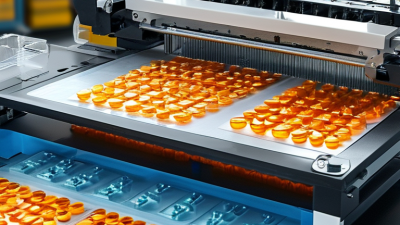
Blister packing machines in 2026 serve pharmaceutical, medical, electronic, and consumer product packaging lines. Their main formats include thermoforming and cold-forming systems. Thermoforming uses heated plastic film, while cold-forming shapes aluminum-based material without heat. Each option affects barrier protection, appearance, tooling cost, and production speed.
Entry-level machines usually run near 30–80 packs per minute. They suit small factories, frequent product changes, and careful manual inspection. Mid-range equipment often reaches 100–300 packs per minute. This range supports tablets, small devices, batteries, and compact hardware. High-speed lines may achieve 400–600 packs per minute under stable conditions. Speed is not everything. Product size, cavity count, sealing temperature, and feeding accuracy can change the real output.
In practical production, quoted speed can mislead. A machine producing 600 empty cavities is not always delivering 600 finished packs. Operators should test the actual product before purchase. Check seal strength, forming depth, cutting accuracy, material waste, and changeover time. Vision inspection and batch coding can improve traceability and reduce missed defects. However, more automation may increase maintenance demands. I would also question unusually high speed claims without sample data. A reliable evaluation includes several hours of continuous running, not only a successful demonstration. The best choice balances 30–600 packs per minute with product protection, operator skill, and consistent quality.
Global Compliance: GMP, 21 CFR Part 11, and Serialization Requirements
2026 Best Blister Packing Machine for Global Buyers?
Global buyers need more than speed and attractive output figures. They need documented compliance across changing markets. A GMP-ready blister machine should support cleanable surfaces, controlled material flow, line clearance, and repeatable sealing. Stainless steel construction helps, but design details matter more. Check tool access, dust control, and cleaning time during factory trials.
21 CFR Part 11 becomes important when electronic records or signatures support regulated operations. The machine should provide role-based access, secure audit trails, time-stamped data, and controlled user changes. These functions require validation, not just software installation. Ask for validation documentation, including IQ, OQ, and performance testing support. A polished touchscreen is not proof of compliance.
Serialization adds another operational layer. The system should print or apply unique identifiers, verify codes, reject unreadable packs, and support aggregation data. Requirements differ by market, product type, and supply chain partner. Confirm data formats before purchasing. I have seen projects delayed because the packaging line worked well, but the database connection failed. That mistake is avoidable. Review cybersecurity, backup procedures, and recovery testing with the supplier. No machine is perfect. Global readiness depends on documented controls, trained operators, and evidence that the complete line performs consistently.
2026 Best Blister Packing Machine for Global Buyers?
Global Compliance Milestones: GMP, 21 CFR Part 11, and Serialization Requirements
The chart shows key implementation milestones for major pharmaceutical compliance frameworks relevant to blister packaging equipment. Buyers should verify electronic records and signatures, audit trails, validated software, data integrity controls, tamper-evident packaging, and serialization or aggregation capabilities for the target markets. The years represent regulatory milestones, not machine performance rankings.
Buyer Evaluation: Output, Changeover Time, OEE, Validation, and Service
For global buyers, the best blister packing machine is not always the fastest model. A practical evaluation starts with verified output under real material, product, and cavity conditions. Ask for sustained hourly production, not a short demonstration peak. Measure rejected packs, foil breaks, and stoppages during an eight-hour trial. Numbers can mislead. An experienced buyer records speed at startup, after warming, and near shift change.
Changeover time deserves equal attention. Time the process from the last accepted pack to the first accepted pack in the next format. Check tool access, recipe controls, cleaning steps, and adjustment marks. A 25-minute changeover may become 50 minutes when operators search for fixtures. That matters. Review OEE using availability, performance, and quality, with downtime codes that operators can actually select. Inflated OEE hides maintenance and training problems.
For validated production, request documented installation, operational, and performance checks, plus material certificates and calibration records. Validation should reflect the intended product and packaging specification. Service reliability is also measurable. Examine response targets, spare-parts availability, remote support, and technician coverage across time zones. Request references from facilities with similar batch sizes. Keep records. I would also challenge every optimistic assumption; our early estimates often ignored minor jams, approval delays, and operator learning time.
2026 Best Blister Packing Machine for Global Buyers? - Buyer Evaluation: Output, Changeover Time, OEE, Validation, and Service
Benchmark scope: Typical performance ranges for pharmaceutical and healthcare blister-packaging equipment under qualified production conditions. Actual results depend on product geometry, material, format, operator skill, line integration, and factory acceptance criteria.
| Machine Configuration |
Typical Application |
Output
(blisters/min) |
Format Changeover
(min) |
Expected OEE |
Validation Readiness |
FAT/SAT Support |
Remote Response |
Critical Spare Lead Time |
Buyer Fit |
| Intermittent PVC/PVDC Thermoforming |
Small and medium pharmaceutical batches |
80–180 |
45–90 |
55–70% |
Basic URS, DQ, IQ, OQ templates; electronic records may require additional configuration |
Included; 3–5 days typical |
Within 24–48 h |
2–6 weeks |
Cost-sensitive |
| Servo Intermittent Thermoforming |
Standard tablets, capsules, and medical consumables |
180–420 |
30–60 |
65–80% |
URS-to-OQ traceability, recipe control, alarm history, calibration records, and change-control documentation |
Included; 5–8 days typical |
Within 12–24 h |
1–4 weeks |
Best general fit |
| High-Speed Continuous Thermoforming |
High-volume solid-dose production |
350–900 |
20–45 |
70–85% |
Full validation package normally available; requires detailed software, recipe, vision, and data-integrity qualification |
Included; 7–12 days typical |
Within 4–12 h |
1–3 weeks |
High-volume fit |
| Cold-Form Aluminium Blister |
Moisture- and light-sensitive products |
100–300 |
35–75 |
60–78% |
Material-specific forming studies, seal-integrity testing, cavity-depth verification, and qualification protocols recommended |
Included; 5–10 days typical |
Within 12–24 h |
2–5 weeks |
Barrier-focused |
| Multi-Lane Servo Blister Line |
Large-scale production with multiple SKUs |
500–1,200 |
30–60 |
68–83% |
Comprehensive validation package, electronic batch records, access control, audit trail, and line-integration testing required |
Included; 8–15 days typical |
Within 4–12 h |
1–3 weeks |
Enterprise fit |
Buyer evaluation notes:
- Output: Confirm whether the supplier quotes blisters per minute, packs per minute, or cycles per minute; output should be tested using the buyer’s actual product and packaging materials.
- OEE: OEE combines availability, performance, and quality. The ranges above assume planned maintenance, stable materials, and trained operators; they are not guaranteed production results.
- Validation: For regulated pharmaceutical production, request a traceable URS, risk assessment, design documentation, IQ/OQ protocols, calibration certificates, software documentation, and data-integrity controls.
- Service: Evaluate local engineering coverage, spare-parts stock, preventive-maintenance training, escalation procedures, and maximum response time in the destination country.