What Is a Blister Packing Machine and How Does It Work?
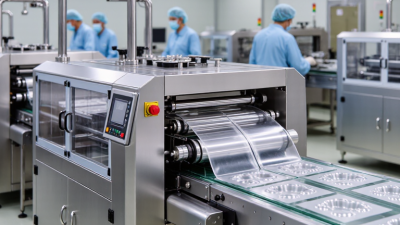
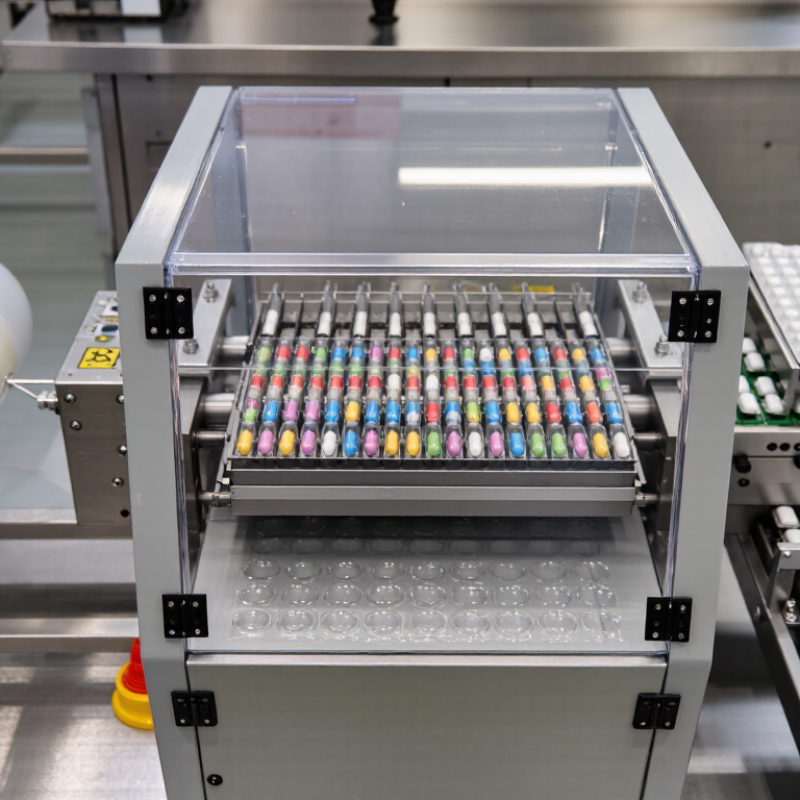
A blister packing machine forms, fills, and seals product cavities inside a protective package. It commonly handles tablets, capsules, medical devices, and small consumer items. The process begins with a roll of forming film. Heat softens the material, while shaped tools create precise pockets. A feeder then places each product into its cavity. Careful alignment matters. Even a small feeding error can leave an empty pocket or damage the product.
Next, a lidding film covers the filled pockets. Heat and pressure seal the layers together, creating a barrier against moisture, dust, and handling damage. Cutting stations separate the connected web into individual blister cards or strips. Modern equipment may include sensors, vision inspection, batch coding, and automatic rejection systems. These features support consistent production, but they do not replace skilled oversight. Operators still check temperature, sealing pressure, forming depth, and product counts during routine runs.
In practical manufacturing, machine performance depends on film type, product shape, tooling design, and line speed. A setup that works well for tablets may perform poorly with fragile devices. This point deserves attention. Published specifications can look impressive, yet real results require trials and documented quality checks. Maintenance records, operator training, and verified procedures also influence reliability. Understanding how a blister packing machine works helps manufacturers select suitable equipment and identify problems before they become costly. It also encourages a more careful question: does the machine merely run fast, or does it consistently protect the product and meet its intended quality standards?
Blister Packing Machines: Types, Materials, and Typical 20–600 Packs/Min Output
A blister packing machine forms individual cavities in a plastic web, places each product inside, and seals a lidding material over it. Rollers, heaters, forming plates, feeders, and sealing stations work in sequence. Sensors check registration and reject faulty packs. The process looks simple. It is not always simple.
Common machine types include flat-plate, rotary, thermoform, and cold-form systems. Thermoforming uses heat-softened PVC, PET, or similar films. Cold-forming uses aluminum laminate and provides stronger protection from light and moisture. Rotary machines often support higher speeds, while flat-plate systems offer easier format changes for smaller batches. Typical production ranges from 20 to 600 packs per minute, depending on cavity layout, product shape, sealing area, and inspection requirements.
Materials affect both performance and waste. A thinner film may reduce material use, but it can create weak pockets or sealing problems. Mordor Intelligence reports continued growth in the global blister packaging market, driven partly by unit-dose convenience and healthcare packaging demand. Smithers’ packaging industry analysis also places the global packaging market above 1 trillion US dollars, showing the scale behind these equipment decisions. Actual output still needs verification. A machine rated at 600 packs per minute may run closer to 420 when products vary, changeovers increase, or rejects rise. In practice, stable feeding often matters more than the highest advertised speed.
How Heating Forms Blister Cavities at Typical 120–180°C
What Is a Blister Packing Machine and How Does It Work?
How Heating Forms Blister Cavities at Typical 120–180°C
A blister packing machine uses heat, forming tools, and sealing pressure to create unit-dose packages. The process begins when a plastic web enters the heating station. Infrared heaters warm the material from both sides. Typical forming temperatures range from 120–180°C, depending on the polymer, thickness, and machine speed.
The softened web moves over a forming mold. Vacuum pulls the plastic into each cavity. Some machines also apply compressed air for sharper corners and deeper shapes. The mold then cools the formed plastic before products are loaded. Cooling matters. Without it, cavities may shrink or lose their shape.
A common mistake is treating 120°C as a fixed recipe. It is only a practical reference range. Actual settings must match the material’s softening behavior and the mold design. Excessive heat can thin the cavity walls, distort edges, or leave visible marks. Insufficient heat may produce uneven depth and weak corners. Operators should check web temperature, cavity dimensions, and seal quality during production. Small changes in heater distance can affect results. The process is more sensitive than diagrams suggest.
How Feeders Place Products into Cavities at 30–600 Cycles/Min
A blister packing machine forms sealed pockets around individual products. A heated forming web is shaped over a mould, creating precise cavities. The feeder then places each product into its assigned cavity before sealing and cutting. This simple sequence demands accurate timing.
Feeders may use vibratory tracks, rotary systems, belts, or pick-and-place mechanisms. At 30 cycles per minute, operators can watch product flow and adjust guides carefully. At 600 cycles per minute, timing errors become serious. A product arriving late may sit across two cavities. One arriving early may block the forming area. Sensors, servo controls, and vision checks help detect missing, tilted, or misplaced products.
Real production conditions are less perfect. Dust, size variation, surface moisture, and uneven product shapes can disturb feeding. No feeder is universal. A stable system needs trials with the actual product, not only sample drawings. Engineers usually check pocket dimensions, drop height, vibration levels, and changeover time. They also test short stops and restart behavior. A machine may reach 600 cycles per minute on paper, yet run more reliably at a lower speed. That difference matters.
Operators should inspect empty cavities, damaged seals, and product orientation throughout the shift. Small changes in feeder rails can improve consistency, but excessive vibration may cause scuffing or bounce. Careful validation, documented settings, and routine cleaning support dependable packing performance. The details are easy to underestimate.
How Foil Sealing Protects Doses at Typical 100–200°C
What Is a Blister Packing Machine and How Does It Work?
How Foil Sealing Protects Doses at Typical 100–200°C
A blister packing machine forms clear cavities, places measured doses inside, and seals them with lidding foil. The sealing station uses controlled heat, pressure, and dwell time to bond the foil’s heat-seal coating to the blister material. Typical sealing temperatures range from 100–200°C, but the correct setting depends on the foil structure, base web, product, and equipment design. Higher heat is not always better. Excessive temperature can distort cavities, damage sensitive doses, or weaken the seal.
In practice, operators check seal width, appearance, peel strength, and package integrity. A properly sealed pocket resists moisture, oxygen, dust, and handling damage. The foil also provides a clean, printable surface for batch details and use instructions. Temperature sensors help maintain stability, while pressure controls close small gaps across the sealing area. Still, real production is rarely perfect. A worn sealing plate, uneven web tension, or a cold startup can create tiny channels that visual inspection misses. That is why routine sampling and validated test methods matter.
Tips: Confirm the foil and forming material are compatible before production. Begin with the supplier’s recommended temperature window, then adjust gradually. Check seals after startup, changeovers, and extended runs. Record results, even when they look normal. Small trends often reveal problems earlier than obvious leaks. Keep in mind that a successful seal protects the dose only when forming, filling, sealing, and storage conditions work together.
How Cutting and Inspection Deliver ±0.5 mm Pack Accuracy
What Is a Blister Packing Machine and How Does It Work?
A blister packing machine forms cavities in plastic film, places products inside, and seals a lidding layer. Its cutting and inspection stages decide whether each pack meets the required dimensions. In practical production, accurate cutting starts with stable web tension. Even a small film shift can move the cavity pattern.
A precision die cuts each blister along a defined outline. The machine monitors registration marks, cutting pressure, and tool alignment during operation. With controlled materials and regular calibration, cutting accuracy can approach ±0.5 mm. That tolerance is not automatic. Temperature changes, worn tooling, and uneven feeding can quickly reduce consistency. Small details matter.
Inspection adds a second layer of control. Cameras check edge position, cavity shape, seal area, and missing products. Some systems compare each pack with a reference image. Others use sensors and dimensional measurements. A rejected pack should be isolated immediately, not mixed with accepted output. Operators should also verify calibration samples at scheduled intervals. Look closely.
A useful inspection record includes the time, machine settings, material lot, and measured deviation. This evidence supports traceability and helps identify repeating faults. However, camera systems can miss defects caused by glare, dust, or transparent film. Human review remains valuable during setup and changeovers. ±0.5 mm sounds simple, but maintaining it requires disciplined adjustment, clean tooling, and honest evaluation of process limits.