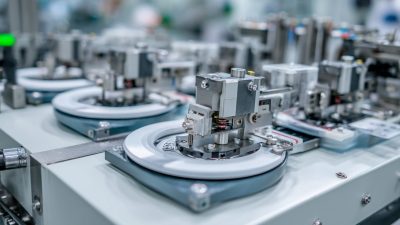
Choosing the right blister packing machine can shape production speed, product protection, and daily operating costs. It is not simply a decision about machine size or purchase price. The best choice must match the product, packaging material, output target, and available workspace.
In practical evaluations, begin with the product itself. Tablets, small hardware parts, medical devices, and electronic components may require different forming depths and sealing temperatures. Check whether the machine handles PVC, PET, aluminum foil, or other approved materials consistently. A clear 20-cavity blister may look excellent, but poor sealing can create rejects, delays, and customer complaints.
Measure the full process. Consider forming speed, feeding accuracy, temperature control, changeover time, and inspection access. Ask suppliers for sample testing with your actual product, not only showroom materials. Watch how operators clean the feeding area and adjust the sealing station. Small details matter.
Reliability is more than a technical brochure. Review maintenance records, spare-part availability, training support, and warranty conditions. Speak with current users when possible. Their experience may reveal noise, difficult adjustments, or unexpected downtime.
Do not ignore future requirements. A machine that fits today’s order volume may restrict tomorrow’s product range. At the same time, buying excessive capacity can waste capital and floor space. I have seen specifications look impressive while daily operation remained inconvenient. That deserves honest reflection.
A careful selection process compares performance, safety features, service quality, and total ownership cost. The right blister packing machine should deliver stable results, practical control, and dependable support throughout its working life.
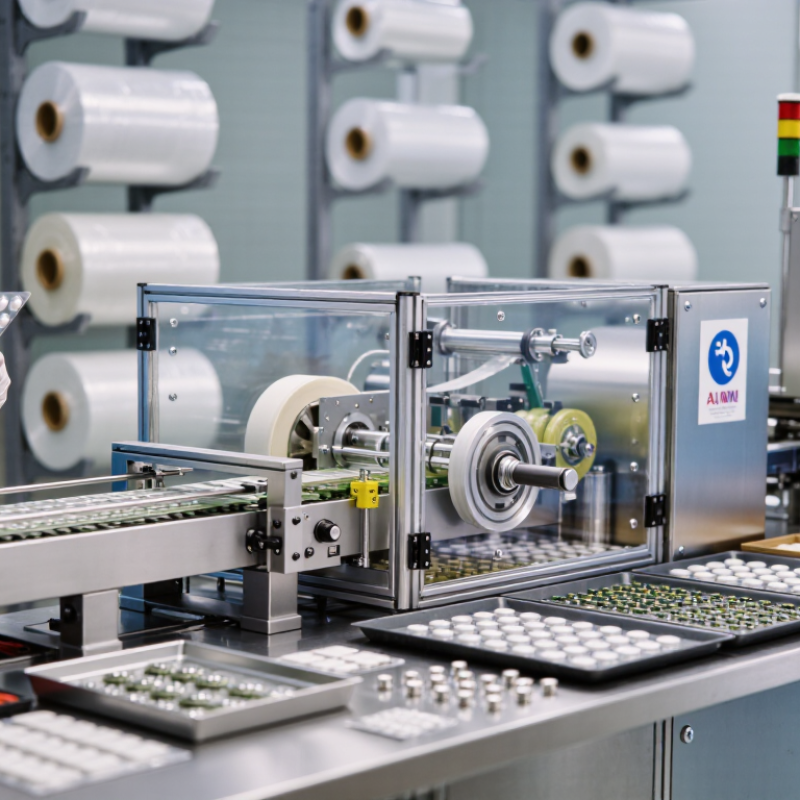
Choosing the best blister packing machine starts with the product, not the machine. Tablets, capsules, and medical components need different forming depths and sealing pressures. Record product dimensions, weight, fragility, and moisture sensitivity. Small variations matter. A 2024 Grand View Research analysis valued the global blister packaging market at about US$29 billion in 2023. It projects continued growth through 2030. That growth increases pressure to select equipment carefully.
Define the packaging before comparing machine specifications. Decide between plastic, aluminum, or a layered structure. Then confirm barrier performance through moisture, oxygen, and seal-integrity testing. Consider cavity layout, card size, printed information, and recyclable-material goals. The wrong film can cause curling, weak seals, or excessive waste. It happens more often than expected. A machine should also support practical changeovers, not only impressive maximum speed.
Production requirements need equal attention. Estimate hourly demand, batch frequency, available floor space, staffing, and future capacity. PMMI’s pharmaceutical and medical-device packaging reports identify flexibility, automation, and labor efficiency as key investment priorities. Ask for measured output using your actual product and materials. A quoted speed may exclude inspection, rejects, cleaning, and material changes. In real factories, those minutes decide profitability. Review data logging, fault recovery, spare-part access, and operator training. I would accept a lower top speed if it delivers stable sealing and fewer rejected packs. However, that choice should be tested, not assumed.
Define your product, packaging, and production requirements before selecting machine capacity.
The chart presents typical planning ranges for blister-machine speed by production scale. Pilot systems generally suit product trials and frequent format changes, while medium- and high-volume systems require higher cycle speeds, stable feeding, and longer continuous production. Final selection should also consider product dimensions, forming material, sealing requirements, cavity layout, changeover time, and regulatory validation.
How to Choose the Best Blister Packing Machine?
Choosing a blister packing machine starts with the product, not the machine’s advertised speed. Rotary machines suit high-volume production because forming, sealing, and cutting occur continuously. They usually require stable materials, accurate feeding, and skilled setup. Flat-plate machines operate in repeated cycles and offer better flexibility for shorter runs. Their slower rhythm can simplify tooling changes and product inspection. Thermoforming uses heat to shape plastic film around the product. Cold forming uses pressure and foil, which provides stronger light and moisture protection. However, it may require more forming space and careful material control.
Operating methods also affect labor, waste, and consistency. Manual feeding works for irregular products, but it can increase placement errors and operator fatigue. Semi-automatic feeding reduces repetitive work while preserving some flexibility. Fully automatic systems support consistent output, yet they demand precise alignment and regular maintenance. Speed is not everything. A fast machine can create costly rejects when sensors, sealing temperature, or feeding timing drift. In practice, changeover time is often underestimated. Test the actual product, packaging material, and batch size before scaling. A small trial may reveal weak seals, damaged cavities, or difficult cleaning points. My own preference is to compare measured results rather than rely on brochures: output per hour, scrap rate, setup time, seal strength, and inspection records. No selection is perfect, and production feedback may force a second evaluation.
| Machine Type | Forming Method | Typical Operating Principle | Best-Suited Products and Applications | Key Advantages | Important Selection Considerations |
|---|---|---|---|---|---|
| Flat-Plate Blister Machine | Plate forming | A heated forming plate presses the forming film into individual cavities. The product is loaded, a lidding foil is heat-sealed, and the blister web is punched or cut. |
|
|
|
| Roller Blister Machine | Roller forming | Thermoformable film passes continuously around a heated forming roller. Products are fed into the formed cavities, followed by continuous sealing, printing, perforating, and cutting. |
|
|
|
| Plate-Plate Blister Machine | Plate forming and plate sealing | The forming film is indexed into a forming station, where a plate creates the cavities. After product placement, another indexed station seals the lidding material before the pack is cut. |
|
|
|
| Roller-Plate Blister Machine | Roller forming with plate sealing | A roller continuously forms the cavities, while an indexed plate sealing station applies controlled heat and pressure to join the lidding material to the blister web. |
|
|
|
| Thermoform Blister Machine | Thermoforming | A plastic film is heated until formable and shaped by vacuum, compressed air, or a combination of both. The formed web is then filled, sealed with lidding material, and cut. |
|
|
|
| Cold-Forming Blister Machine | Cold forming by pressure | Aluminum-based laminate is pressed into the cavity without heating the forming foil. The pack is then filled and sealed with a suitable lidding material. |
|
|
|
| Automatic Blister Packing Line | Thermoforming or cold forming with integrated automation | The machine integrates film unwinding, forming, product feeding, vision inspection, lidding, coding, perforation, cutting, and rejected-pack removal in one synchronized line. |
|
|
|
| Semi-Automatic Blister Machine | Usually intermittent thermoforming or preformed blister sealing | The operator manually loads products or preformed blisters, while the machine performs sealing and often cutting. Some models also automate film forming. |
|
|
|
| Continuous-Motion Blister Machine | Continuous web movement | The forming, filling, sealing, and cutting processes operate with continuously moving material or synchronized rotary stations to minimize stop-and-start motion. |
|
|
|
| Intermittent-Motion Blister Machine | Indexed web movement | The web advances, stops at each processing station, and then advances again. Forming, filling, sealing, and cutting occur during defined indexed cycles. |
|
|
|
| Recommended Selection Focus | Application-based decision | Select the machine after defining product dimensions, material structure, required barrier level, output target, changeover frequency, automation level, and applicable quality requirements. |
|
|
|
Note: Actual speed, cavity layout, material compatibility, and output depend on the product, forming film, lidding material, tooling design, feeding method, and machine configuration. Performance should be confirmed through a production trial.
Choosing a blister packing machine starts with material quality, not advertised speed. Product-contact surfaces should use corrosion-resistant stainless steel, while sealed electrical cabinets protect controls from dust and washdown moisture. PMMI’s 2024 State of the Industry report valued U.S. packaging machinery shipments at approximately $11.3 billion in 2023. That scale reflects a demanding market, but it does not guarantee every machine suits pharmaceutical production.
Inspect the forming station closely. Stable heating, precise temperature control, and rigid tooling help prevent cracked cavities and uneven seals. Servo-driven indexing can improve repeatability, while vision inspection can detect missing products, damaged foil, and poor print registration. The International Society for Pharmaceutical Engineering emphasizes controlled processes and documented verification, so ask for calibration records and production data. Useful features include recipe management, batch tracking, tool-less changeover, and accessible cleaning points.
Speed must be tested with your actual material. A machine rated at 300 cycles per minute may run slower with deep cavities, brittle tablets, or thicker cold-form foil. Measure acceptable packs per minute, not empty-machine speed. Accuracy also needs evidence: request sample trials and compare cavity fill, seal strength, cut position, and rejection rates. A practical target might be above 99% acceptable output, but that figure depends on inspection limits and product design. I would still question any perfect result; short trials can hide stoppages, operator adjustments, and maintenance delays. Ask for a longer test.
A reliable blister packing machine should meet applicable safety, quality, and packaging requirements before speed becomes a priority. Check whether its design supports documented validation, batch traceability, product protection, and consistent sealing. Ask for clear test records, material specifications, and operator instructions. A polished demonstration is not enough. Inspect the machine closely.
Maintenance affects production more than many buyers expect. Choose accessible sealing stations, simple cleaning routes, and replaceable wear parts. Diagnostic screens can shorten troubleshooting, but they cannot replace trained technicians. Confirm service response times, spare-part availability, and preventive maintenance procedures. I have seen small access problems create long shutdowns. That detail is easy to miss.
Tips: Test your actual products, materials, and forming conditions before purchase. Measure format changeover time with a real operator. Review noise, dust control, guarding, and cleaning access. Ask how recipes are protected from accidental changes. Production flexibility also matters. The machine should handle expected pack sizes without excessive tooling changes. Adjustable forming depth, modular tooling, and stable speed control can support future products. Still, flexibility has limits. Too many options may increase training time and maintenance complexity. A careful factory trial may reveal weaknesses that brochures hide.
Choosing a blister packing machine should begin with total cost, not purchase price. A machine quoted at $80,000 may need custom tooling, freight, installation, and operator training. Add electricity, compressed air, film waste, cleaning materials, and planned maintenance. Then estimate output per shift. Small losses matter. If a sealing station stops for 30 minutes, labor continues while cartons wait. Use a three-year spreadsheet covering purchase, operating, and downtime costs.
My first estimate was too optimistic. I ignored changeover time and underestimated spare parts. A practical test should measure cycle speed, reject rates, and setup minutes using your material. Ask for a factory acceptance test with recorded results. Request energy data, maintenance schedules, drawings, manuals, and a clear list of excluded costs. Keep a contingency budget. Costs hide everywhere.
The right supplier should explain assumptions plainly, not only show polished samples. Check experience with similar pack sizes, materials, production volumes, and quality requirements. Confirm who handles installation, remote support, spare-part delivery, and technician travel. Ask for evidence. A responsive supplier can protect production, but promises need measurable service times. Review warranty terms, software updates, training hours, and change-control procedures before signing. Do not choose the lowest quote automatically. Choose the offer you can audit.
Call 815-281-5297 now to speak directly with an Algus expert or fill out the form below.