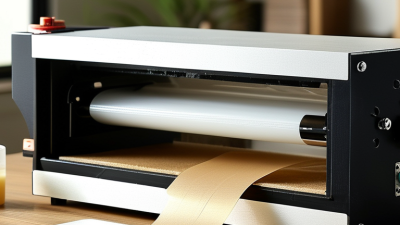
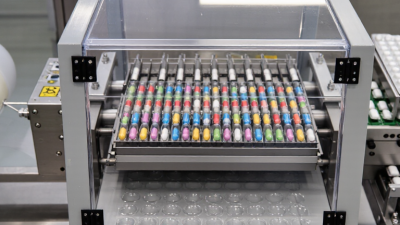
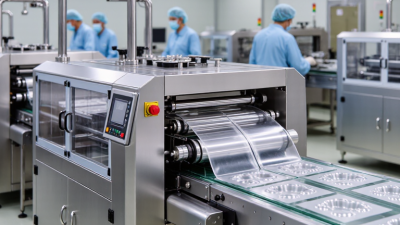
Blister packaging is no longer a simple plastic-and-cardboard solution. It is a controlled system for product protection, inspection, dosing, and efficient distribution. This makes reliable blister packaging equipment increasingly important across pharmaceutical, medical, and consumer healthcare production lines.
Industry data supports this shift. Grand View Research estimates that the global blister packaging market was valued at approximately USD 26 billion in 2023, with continued growth expected through 2030. Smithers also identifies pharmaceutical packaging as a resilient sector, supported by aging populations, stricter quality expectations, and expanding healthcare access. These trends place greater pressure on equipment manufacturers to deliver accurate forming, stable sealing, low material waste, and traceable production records.
Small tolerances matter.
A poorly controlled sealing temperature can damage a dose cavity or weaken package integrity. Therefore, this review examines ten leading manufacturers through practical criteria, including machine speed, format flexibility, automation, changeover time, validation support, and after-sales service. Information is considered from company documentation, industry research, technical publications, and packaging-market analysis rather than brand visibility alone.
The ranking is not absolute. A high-speed pharmaceutical line may suit one factory, while a compact thermoforming machine may better serve another. That distinction is easy to overlook. Buyers should verify current specifications, regional service coverage, compliance documentation, and total ownership costs before making a decision. Packaging technology changes quickly, and even respected suppliers can have limitations. This guide aims to make those differences clearer.
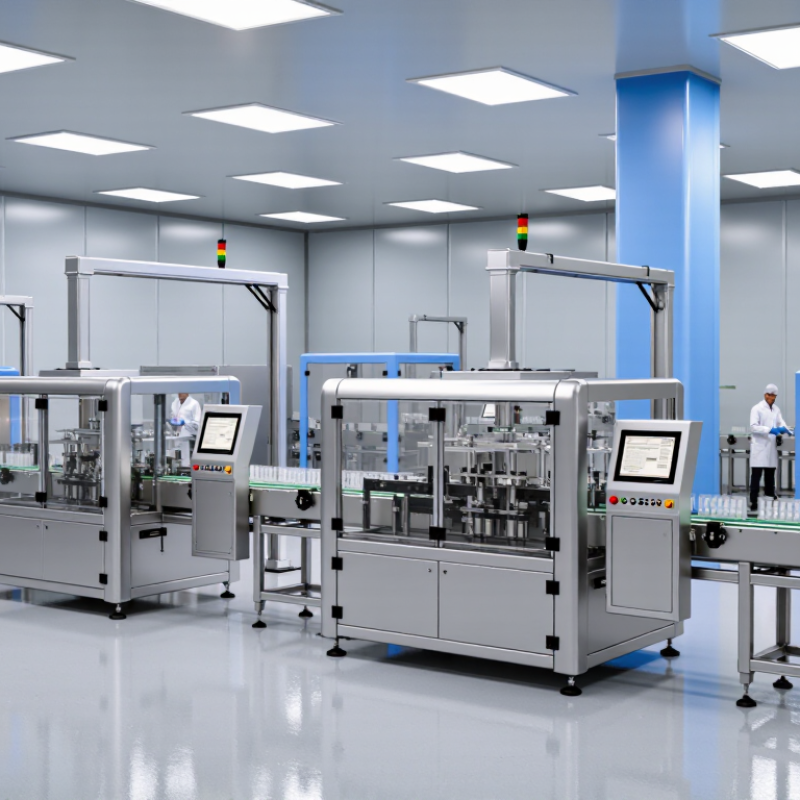
Blister packaging equipment forms a cavity, places a product inside, and seals it with lidding material. Typical systems include thermoformers, cold-form lines, rotary sealers, platen machines, and continuous-motion platforms. Thermoforming uses heat-softened plastic, while cold forming shapes aluminum foil without heating. Each method affects barrier protection, speed, tooling cost, and material waste. Grand View Research reported that the global blister packaging market was valued at approximately USD 25.7 billion in 2023, with pharmaceutical demand supporting continued growth.
The core applications are practical and highly controlled. Pharmaceutical lines package tablets, capsules, and medical devices. Consumer goods lines handle batteries, hardware, personal-care items, and small electronic accessories. A complete system may include feeders, forming stations, heat sealers, perforators, printers, vision inspection, and carton integration. Smithers has highlighted growing demand for better traceability and sustainable packaging materials. In real production, however, higher automation does not automatically mean better output. Poor feeding alignment can still create empty cavities, weak seals, or rejected packs.
Tips: Match the machine to product shape, material, barrier needs, and hourly volume. Test the sealing window under real humidity and temperature conditions. Ask for measurable data, including changeover time, reject rate, and overall equipment effectiveness. A compact machine may look efficient, but limited tooling space can slow future product changes. Always review cleaning access and operator ergonomics. These details are easy to overlook.
Choosing among the top 10 blister packaging equipment manufacturers requires more than comparing machine prices. Check the equipment’s forming depth, sealing pressure, feeding accuracy, and changeover time. Request a live demonstration using your actual materials and product dimensions. A polished demo can mislead.
During a factory visit, inspect the assembly area, testing records, and spare-parts process. Ask how technicians measure temperature stability across the sealing plate. Review documented acceptance tests, operator training, and maintenance instructions. Reliable manufacturers explain limits clearly. They do not promise perfect performance.
Evaluate total ownership cost, not only the quotation. Include tooling, energy use, software updates, validation support, and emergency service. Ask for references from facilities with similar production volumes. Speak with operators, not only sales representatives. Their comments often reveal repeated jams or difficult cleaning points. Small details matter.
Check whether the manufacturer can support future formats without replacing the entire machine. Confirm response times, remote diagnostics, and local service coverage in writing. Independent quality records also deserve careful review. Sometimes the cheapest option appears efficient but creates longer setup losses. I would reconsider any evaluation based on brochures alone. Real production evidence is harder to polish, but more useful.
The top 10 blister packaging equipment manufacturers should be judged by capabilities, not visibility alone. Strong systems combine accurate forming, stable sealing, fast changeovers, and reliable inspection. These features directly affect tablet protection, line uptime, and batch consistency.
Grand View Research reports that the global blister packaging market is expanding steadily through 2030, driven by pharmaceutical demand and unit-dose convenience. PMMI industry research also highlights automation, traceability, and labor efficiency as major packaging priorities. Therefore, leading equipment makers should offer servo-controlled motion, vision inspection, electronic batch records, and flexible tooling. Integrated serialization can reduce manual checks, although poor data integration still creates operational gaps. Sustainable material handling matters too. Machines should process recyclable films without sacrificing seal quality or production speed. No ranking is flawless. Actual performance depends on product shape, material choice, operator skill, and maintenance discipline.
Tips: Compare sealing consistency, format-change time, inspection accuracy, and service response. Request factory trials using your real forming material and product dimensions. Measure output after several hours, not only during a short demonstration. Review spare-part availability and training coverage before purchasing. A low initial price may hide expensive downtime. Instrumented equipment can expose these costs early, but only if teams examine the data regularly.
Top 10 Blister Packaging Equipment Manufacturers
Technology now separates leading blister packaging equipment manufacturers from basic machine suppliers. A strong top-ten evaluation should examine servo-driven indexing, controlled forming temperatures, vision inspection, and verified reject systems. Grand View Research reported continued growth in the global blister packaging market, supported by pharmaceutical demand and unit-dose formats. However, market growth alone does not prove equipment quality.
Automation must also improve measurable performance. PMMI’s 2024 pharmaceutical packaging research identifies flexibility, data integration, and labor reduction as major investment priorities. Leading systems therefore connect sensors, recipe controls, and production dashboards. They also support rapid format changes, sometimes within minutes, when tooling and cleaning are designed correctly. Not always.
Compliance remains equally important. Equipment should support 21 CFR Part 11 controls, applicable EU GMP expectations, and ISO 11607 packaging validation practices. Audit trails, access permissions, batch records, and alarm histories need clear ownership. A polished interface cannot replace reliable validation evidence. That is where some supplier comparisons become too generous.
Practical testing should include damaged pocket detection, seal integrity checks, foil tracking, and restart behavior after faults. Operators should inspect access points, cleaning time, noise, and changeover ergonomics. OEE figures deserve caution because suppliers may calculate availability differently. A slower line with fewer rejects can outperform a faster line in real production. Independent factory acceptance testing remains valuable, especially when comparing the top ten manufacturers across automation, technology, service, and compliance.
| Rank | Manufacturer Profile | Primary Equipment Focus | Typical Machine Output | Supported Blister Materials | Automation Capability | Changeover Approach | Quality and Vision Controls | Compliance Readiness | Common Industry Applications |
|---|---|---|---|---|---|---|---|---|---|
| 1 | Profile A | High-speed thermoform blister lines | Up to approximately 600 cycles per minute, depending on format and cavity count | PVC, PET, PVC/PVDC, and recyclable mono-material films | High Servo drives, automatic web control, and centralized HMI |
Recipe-based tooling and guided format changeover | Camera inspection for print, fill, seal, and registration defects | Designed for GMP environments; 21 CFR Part 11 capability may be available with validated software | Pharmaceuticals, medical devices, and high-volume consumer healthcare |
| 2 | Profile B | Thermoform-fill-seal and cold-form blister systems | Approximately 300–500 cycles per minute in standard production configurations | Aluminium-based cold-form laminate, PVC, PET, and barrier films | High Automatic feeding, servo-controlled stations, and line integration |
Tool-less or reduced-tooling format changes on selected modules | Integrated checkweighing, code verification, and seal inspection | Equipment architecture commonly supports EU GMP and FDA-regulated production | Solid-dose pharmaceuticals and products requiring high moisture or light barriers |
| 3 | Profile C | Flexible modular blister packaging platforms | Approximately 150–400 cycles per minute | Thermoformable plastics, aluminium laminate, paper-based barrier webs, and recyclable films | High Modular stations, recipe management, and SCADA connectivity |
Independent forming, feeding, sealing, and cartoning modules simplify line reconfiguration | Vision systems, reject confirmation, and electronic batch records | Stainless-steel construction and cleanability options for regulated production | Pharmaceuticals, diagnostics, nutraceuticals, and specialty healthcare products |
| 4 | Profile D | Compact intermittent-motion blister machines | Approximately 60–180 cycles per minute | PVC, PET, PP, aluminium foil, and child-resistant laminate structures | Medium to High Automatic feeding and programmable temperature control |
Manual-assisted format changeover with digital setup instructions | Optional print registration, missing-product detection, and seal monitoring | Suitable for documented GMP production when configured with validated controls | Small and medium pharmaceutical batches, clinical trials, and contract packaging |
| 5 | Profile E | Continuous-motion thermoforming equipment | Approximately 250–550 cycles per minute | PVC, PET, PP, PLA-based films, and high-barrier laminates | High Servo motion control, automatic splicing, and robotic product handling |
Digital recipes with automated or semi-automated tooling adjustment | 100% online inspection can include camera, leak, and code verification systems | Data traceability and audit-trail functions are available on advanced configurations | High-volume pharmaceutical and medical-device packaging |
| 6 | Profile F | Rotary blister packaging machines | Approximately 80–300 cycles per minute | Thermoformable polymer films and aluminium cold-form materials | Medium PLC control, automatic dosing options, and downstream integration |
Quick-release tooling and standardized format parts | Basic to advanced inspection packages for product presence and print quality | Configurations commonly support pharmaceutical documentation and validation protocols | Tablets, capsules, confectionery, personal care, and general consumer goods |
| 7 | Profile G | Medical-device blister and tray sealing systems | Approximately 10–80 cycles per minute, depending on tray size and sealing method | Tyvek-compatible lidding materials, PETG, PVC, APET, PP, and medical-grade laminates | High Controlled sealing parameters, barcode management, and data logging |
Validated tooling sets with guided recipe selection | Seal-temperature monitoring, pressure monitoring, vision inspection, and barcode verification | Commonly aligned with ISO 11607 packaging validation and ISO 13485 quality systems | Sterile medical devices, diagnostic kits, surgical components, and laboratory products |
| 8 | Profile H | Entry-level and mid-range blister packaging equipment | Approximately 20–120 cycles per minute | PVC, PET, aluminium foil, and paper-backed blister materials | Standard PLC-based operation with optional automatic feeders |
Manual or semi-automatic changeover using dedicated format tooling | Optional sensors for missing-product detection and batch-code inspection | Can be configured for GMP production with suitable documentation and validation | Generics, supplements, cosmetics, hardware, and pilot-scale production |
| 9 | Profile I | Integrated blister-to-carton packaging lines | Approximately 100–350 blister cards per minute | Thermoformed plastic films, cold-form foil, paperboard, and recyclable structures | High Automatic transfer, serialization interfaces, and end-of-line robotics |
Central recipe management across blister, cartoning, and coding modules | Serialization, aggregation, vision inspection, and reject tracking | Supports market-specific track-and-trace requirements when connected to validated software | Prescription medicines, over-the-counter products, and regulated healthcare goods |
| 10 | Profile J | Sustainable-material and customized blister platforms | Approximately 50–250 cycles per minute | Recyclable mono-PP, mono-PET, paper-based substrates, PVC alternatives, and aluminium laminates | Medium to High Digital setup support, servo systems, and energy monitoring |
Flexible tooling and modular stations for multiple material structures | Film tracking, seal inspection, print verification, and automated reject handling | Designed to support documented process control and packaging-material qualification | Healthcare, personal care, consumer products, and environmentally focused packaging programs |
Choosing among the top ten blister packaging equipment manufacturers requires more than comparing prices or brochures. Your production line deserves practical evidence.
Start with the product. Ask whether the machine supports your materials, forming depth, sealing requirements, and pack dimensions. During factory evaluations, inspect film paths, guarded tooling, sensor placement, and access for cleaning. These details often reveal how thoughtfully the equipment was designed. Request a product trial using your actual materials. Measure seal consistency, tablet or component placement, waste rates, changeover time, and line speed. A fast machine is not useful if operators struggle to control it.
Tips: Bring sample materials, drawings, and difficult pack formats to every technical discussion. Ask for recorded test results, maintenance schedules, training plans, and response times for service support. Request references from facilities with similar volumes. Check whether spare parts remain available after installation.
A dependable manufacturer should explain limitations clearly. Be cautious when every answer sounds perfect. I have learned that a technically impressive machine can still disappoint without strong after-sales support. Review the control system, data records, safety features, and operator documentation. Also examine total ownership costs, including tooling, utilities, inspections, repairs, and future format changes. No selection is perfect. Choose the supplier that communicates openly, tests carefully, and supports your real operating conditions.
The chart compares common blister packaging equipment selection benchmarks. Output capacity, automation level, forming depth, sealing temperature, changeover time, and material compatibility are key factors when evaluating equipment suppliers for pharmaceutical, medical, food, and consumer-product applications.
Call 815-281-5297 now to speak directly with an Algus expert or fill out the form below.