
How to Choose the Best Blister Machine for Your Needs?
Choosing the best blister machine is not simply a search for the highest output rate. The right decision depends on your product, materials, packaging format, and production goals. A small pharmaceutical line may need precise dosing, cleanroom compatibility, and reliable batch control. A consumer-goods manufacturer may value fast changeovers, attractive forming, and lower tooling costs.
John R. Henry, a recognized packaging machinery author, offers a useful principle: “Machine selection should begin with the package, the product, and the process—not with speed alone.” That idea remains practical. A machine must handle your chosen forming material, cavity depth, sealing temperature, and lidding foil without creating excessive rejects. Check servo control, inspection systems, tooling flexibility, and access for cleaning. Small details matter.
The supplier matters too. Ask for product trials using your actual materials. Measure seal strength, forming quality, cycle time, waste, and changeover minutes. A machine that looks efficient in a brochure may perform differently on the factory floor. It happens.
Consider total ownership cost, not only the purchase price. Energy use, spare parts, operator training, maintenance response, and future expansion can change the final calculation. Compliance and worker safety also deserve close attention. Some buyers focus too heavily on speed, then regret limited flexibility later. That is an avoidable mistake, although every project has trade-offs. This guide will help you compare blister machine options with clearer expectations, practical questions, and evidence from your own production conditions.
Define Your Blister Packaging Requirements
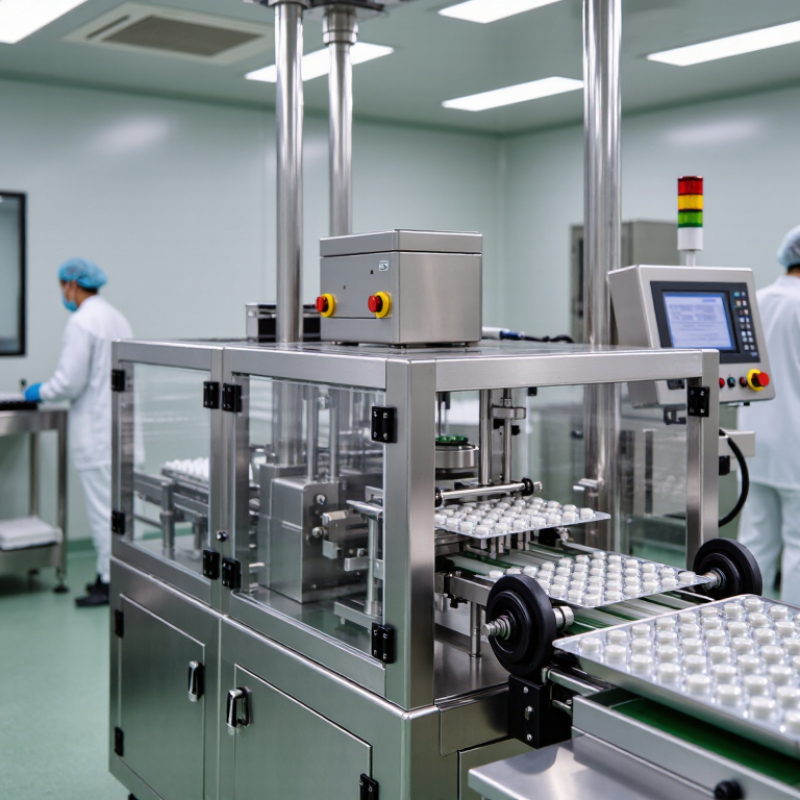
Choosing a blister machine starts with defining your packaging requirements, not comparing machine names. Identify the product, cavity size, material, output target, and changeover frequency. A small tablet may need a different forming depth than a medical component. Measure samples, not assumptions.
Grand View Research valued the global blister packaging market at approximately USD 26.5 billion in 2023. Its report also projects continued growth through 2030. This pressure can make speed attractive, but throughput alone is a weak selection criterion. Calculate required packs per minute, then include stoppages, cleaning, inspection, and material changes. A machine running at 300 cycles per minute may deliver far less in real production.
Think about the complete line. Confirm whether the machine supports your chosen forming film, lidding material, sealing temperature, and product sensitivity. For moisture-sensitive products, verify sealing consistency and environmental controls. For fragile items, examine feeding accuracy and rejection systems. Industry guidance from the International Society for Pharmaceutical Engineering emphasizes risk-based equipment qualification, documentation, and process control. Request test runs using your actual materials. Small details matter.
The first specification is rarely perfect. Recheck it after trials. A practical requirement sheet should also record floor space, operator access, cleaning time, utilities, data recording, and future format changes. Cheap capacity can become expensive downtime.
How to Choose the Best Blister Machine for Your Needs? - Define Your Blister Packaging Requirements
| Packaging Requirement | Recommended Machine Configuration | Typical Operating Range | Key Selection Criteria | Best Suited Applications |
|---|---|---|---|---|
| Low-volume production | Compact intermittent blister machine | 10–25 cycles/min; approximately 600–1,500 packs/hour | Low initial investment, simple tooling, fast manual setup, compact footprint | Clinical samples, small product batches, pilot production, specialty goods |
| Medium-volume production | Intermittent-motion machine with automatic feeding | 20–45 cycles/min; approximately 1,200–4,000 packs/hour | Servo-controlled indexing, feeding flexibility, repeatable sealing temperature and pressure | Pharmaceuticals, medical devices, consumer products, personal-care items |
| High-volume production | Continuous-motion or high-speed intermittent blister line | 40–100 cycles/min; approximately 3,000–12,000 packs/hour | High-speed web handling, automated inspection, low stoppage rate, integrated cartoning | Large-scale pharmaceutical and healthcare production |
| PVC or PET blister packs | Thermoforming blister machine with controlled preheating | Forming temperature commonly 120–190°C, depending on material and thickness | Heating-zone control, forming pressure, material thickness compatibility, cooling efficiency | Tablets, medical accessories, electronics, hardware and retail products |
| Aluminum-aluminum packaging | Cold-forming machine with high-pressure forming station | Typical forming depth up to 10–14 mm, depending on foil grade and tooling | Forming force, foil compatibility, cavity geometry, pinhole and seal integrity control | Light-sensitive, moisture-sensitive and oxygen-sensitive pharmaceutical products |
| Small and medium cavity sizes | Standard forming area with interchangeable tooling | Common forming areas from approximately 100 × 100 mm to 250 × 150 mm | Maximum web width, cavity pitch, tool-change time and material utilization | Tablets, capsules, small medical components and compact consumer products |
| Large or irregular products | Custom thermoforming system with adjustable forming station | Forming depth commonly 15–40 mm, subject to material and product geometry | Available forming depth, mold design, product loading access and sealing-area clearance | Tools, electrical accessories, cosmetics, toys and medical kits |
| Frequent product changeovers | Modular machine with quick-change tooling and recipe storage | Typical changeover target: 30–90 minutes, depending on format complexity | Tool accessibility, digital recipes, guided setup, cleaning access and change-part identification | Contract packaging, multi-format pharmaceutical and mixed-product manufacturing |
| Strict quality requirements | Machine with vision inspection, reject station and process monitoring | Typical checks include missing product, damaged cavity, print defects and incomplete sealing | Inspection accuracy, reject verification, data recording, alarm management and traceability | Regulated healthcare, pharmaceutical and medical-device packaging |
| Limited factory space | Compact standalone machine with integrated waste collection | Common equipment footprint: approximately 2–6 m², excluding operator clearance | Overall length, service access, material-roll position, noise level and utility connections | Small factories, laboratories, pilot plants and decentralized production areas |
| Automated downstream packaging | Blister machine integrated with cartoner, leaflet inserter and case packer | Line speeds commonly matched at 30–100 packs/min, depending on product and format | Line synchronization, accumulation capacity, communication protocols and format compatibility | High-throughput pharmaceutical and consumer-goods packaging lines |
Note: The figures shown are typical planning ranges. Actual performance depends on product dimensions, material thickness, cavity layout, tooling design, operator skill and required quality standards.
Related Posts
-
2026 Top Blister Packing Machine Types for Global Buyers
-
Top 10 Types of Blister Packing Machines for Global Buyers
-
How to Choose the Best Blister Packing Machine?
-
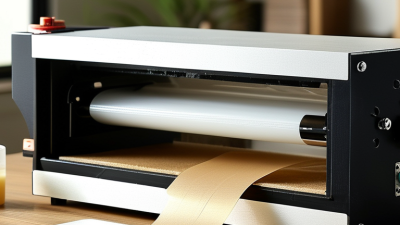
How to Choose a Blister Pack Sealing Machine?
-
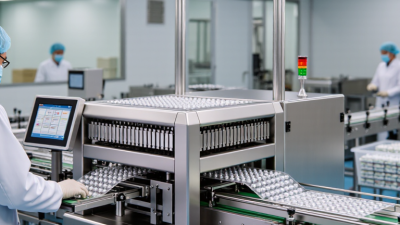
2026 Best Blister Packing Machine for Global Buyers?
-
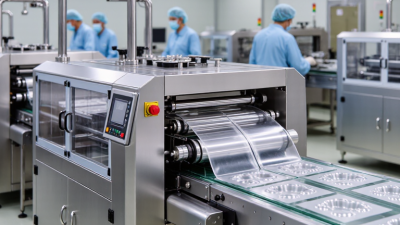
How to Choose Blister Thermoforming Machines in 2026?